
Cooking With Stainless Steel Pots And Pans

I remember my first Thanksgiving as a newlywed. Armed with more enthusiasm than actual culinary skill, I decided to tackle a whole roasted turkey. Sounds ambitious, right? Well, let me tell you, the turkey itself turned out… edible. But the aftermath? That’s where the real drama unfolded. I’d used my cheapest, thinnest-bottomed pan, and after the feast, it looked like a Jackson Pollock painting made of burnt-on gravy and despair. Scrubbing was an Olympic sport, and I was definitely not winning gold. My poor, abused pan ended up looking like it had gone ten rounds with a cheese grater. That, my friends, was my unwelcome introduction to the wonderful world of cookware quality, and specifically, the unappreciated hero that is stainless steel.
Fast forward a few years, a few more culinary disasters (don’t ask about the caramel incident), and a significant upgrade in my kitchen arsenal. My go-to for almost everything is now my trusty set of stainless steel pots and pans. Seriously, if my pans could talk, they’d probably be telling tales of my kitchen triumphs and… well, let’s just focus on the triumphs, shall we? They’ve survived everything from delicate fish fillets to sticky sauces, and they still look (mostly) fantastic. So, let’s dive into why these seemingly simple metal vessels are such a game-changer for anyone who enjoys spending time in the kitchen, whether you’re a seasoned chef or, like my past self, a well-intentioned novice.
The Humble Brilliance of Stainless Steel
What exactly makes stainless steel so special? It’s all in the name, really. It’s steel, yes, but with a healthy dose of chromium. This magical ingredient forms a protective oxide layer that prevents it from rusting and staining. Handy, right? No more worrying about your favorite sauté pan looking like it’s been dragged through a rusty fence. It’s incredibly durable, which, as my early Thanksgiving experience proved, is a massive bonus.
But it’s not just about being tough. Stainless steel is also known for its non-reactive nature. This is HUGE. What does that mean for you and your dinner? It means that acidic foods, like tomatoes in a marinara sauce or lemon juice in a hollandaise, won’t react with the metal. This prevents any funky metallic taste from leaching into your delicious creations. Trust me, nobody wants their bolognese to taste like a handful of loose change. Ever. With stainless steel, you get the pure flavor of your ingredients, which is exactly what we’re going for, isn’t it?
Construction Matters: The Core of the Matter
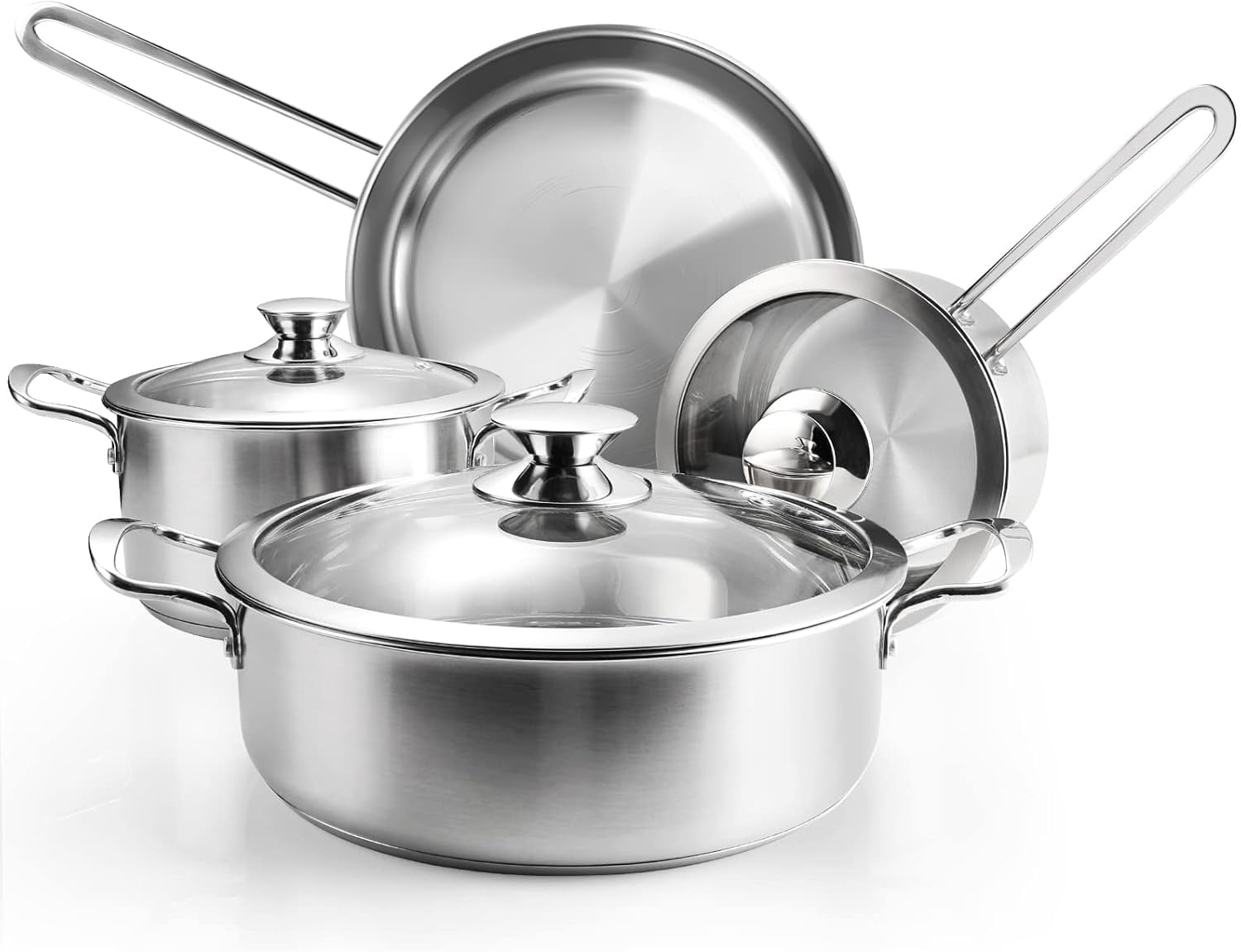
Now, here’s where things can get a little… nuanced. Not all stainless steel cookware is created equal. You’ll often hear terms like “clad” or “multi-ply.” This is where the magic really happens, and why some stainless steel pans are far superior to others. Think of it like a sandwich. A basic, cheap pan might just be a single layer of thin stainless steel. Not ideal. A good quality stainless steel pan will have layers of other metals, most commonly aluminum, sandwiched between the stainless steel.
Why aluminum? Because it’s an excellent heat conductor. Stainless steel, on its own, isn't the best at distributing heat evenly. It tends to create hot spots, which can lead to uneven cooking – burnt edges and raw centers, a culinary tragedy! The aluminum core, or multiple layers of aluminum and sometimes copper, helps to spread that heat beautifully across the entire cooking surface. This means your onions will sauté evenly, your eggs will cook uniformly, and your pan-seared chicken will develop a gorgeous, golden-brown crust all over. It’s like giving your food a warm, even hug instead of a few aggressive, localized punches.

You’ll see different configurations: 3-ply, 5-ply, etc. Generally, the more layers, the better the heat distribution and retention. A good quality 3-ply pan, with stainless steel on the outside, aluminum in the middle, and stainless steel on the inside, is a fantastic starting point. It's the workhorse of the kitchen for a reason. If you see pans that are only stainless steel, especially if they feel super lightweight, you might want to proceed with caution. They’re probably best for boiling water and… well, maybe not much else if you’re aiming for culinary excellence. Think of it as the difference between a flimsy plastic spatula and a sturdy metal one. Both can flip things, but one just feels inherently more capable, doesn’t it?
Getting the Most Out of Your Stainless Steel Cookware
So, you’ve invested in some lovely stainless steel pots and pans. Hooray! Now, how do you make sure they live a long and happy life with you, and that they perform at their best? It’s not rocket science, but there are a few tricks up my sleeve that I’m happy to share.
Preheating is Your Pal
This is probably the single most important tip. Never put cold food into a cold stainless steel pan. It’s like asking a shy person to jump into a crowded party – they’re going to feel awkward and probably stick to the walls. Heat your pan over medium heat for a minute or two. You can test if it’s ready by flicking a few drops of water into it. If the water sizzles and evaporates immediately, it’s too hot. If it just sits there, it’s too cold. If the water forms little beads that dance around the pan before evaporating, you’ve hit the sweet spot. This is called the Leidenfrost effect, by the way. Fancy, right? It creates a micro-layer of steam between the pan and your food, allowing for easier release and preventing sticking. So, preheat, preheat, preheat! It’s non-negotiable.
Fat is Your Friend (in Moderation)
Once your pan is properly preheated, add your cooking fat – oil, butter, whatever you prefer. Let the fat heat up too. You’ll know it’s ready when it shimmers slightly. Then, add your food. This combination of a hot pan and hot fat creates a barrier, further preventing sticking. You don’t need a swimming pool of oil; just enough to coat the bottom of the pan. It’s about creating that perfect, non-stick surface for your food to sizzle and brown.
I used to be a bit stingy with oil, thinking I was being healthy. Turns out, a little bit of well-heated oil is actually key to preventing food from sticking and burning, which, in the long run, means you’re not scraping off the burnt bits and, you know, losing some of your precious meal. It’s a delicate balance, but once you get it, it’s a revelation.
Don't Overcrowd the Pan
This is another common mistake that leads to steamed rather than seared food. When you cram too much into the pan, it lowers the temperature of the pan significantly. Instead of searing, your food starts to release moisture and essentially boils. You lose that beautiful browning and crispy texture you’re after. Give your ingredients some breathing room. Cook in batches if necessary. It might take a little longer overall, but the results will be so much better. Imagine a crowded concert versus a more intimate gig – the sound quality is just different, right? Same principle applies here!
Managing Heat: The Gentle Touch
Stainless steel heats up relatively quickly and retains heat well. This is a double-edged sword. You need to be mindful of your heat settings. Most cooking can be done on medium or medium-low heat. High heat should be reserved for specific tasks like rapidly boiling water or searing at the very beginning of a cook. If you find things are cooking too quickly or sticking despite your best efforts, turn down the heat. It’s much easier to add heat than to take it away once your food is burning!

I’ve learned to trust my ears and eyes more than the dial on my stove. Sometimes, a gentle sizzle is all you need. And if you see smoke pouring out of the pan, that’s a definite sign you’ve gone too far. Step away from the heat, my friends!
Cleaning Your Stainless Steel Companions
This is where the magic continues. Unlike some other cookware materials, stainless steel is generally a breeze to clean. For everyday messes, a bit of hot water, dish soap, and a soft sponge or cloth will do the trick. Wash it while it’s still a little warm (but not scorching hot, obviously!).
What about those stubborn bits? Ah, the post-Thanksgiving gravy incident still haunts me. For those stuck-on food particles, there are a few go-to methods. First, try simmering some water in the pan for a few minutes. This often loosens things up enough to be scrubbed away easily. If that doesn’t work, a paste of baking soda and water can work wonders. Apply it to the affected areas, let it sit for a bit, and then scrub gently. It’s a natural abrasive that’s tough on grime but gentle on your pans.
For really tough discoloration or dullness, there are specialized stainless steel cleaners available. Bar Keepers Friend is a popular choice and is surprisingly effective. Just follow the instructions carefully, and remember to rinse thoroughly. Some people swear by using a bit of vinegar or lemon juice to polish their stainless steel and bring back its shine. Just be sure to rinse it off afterward to avoid any lingering acidity.
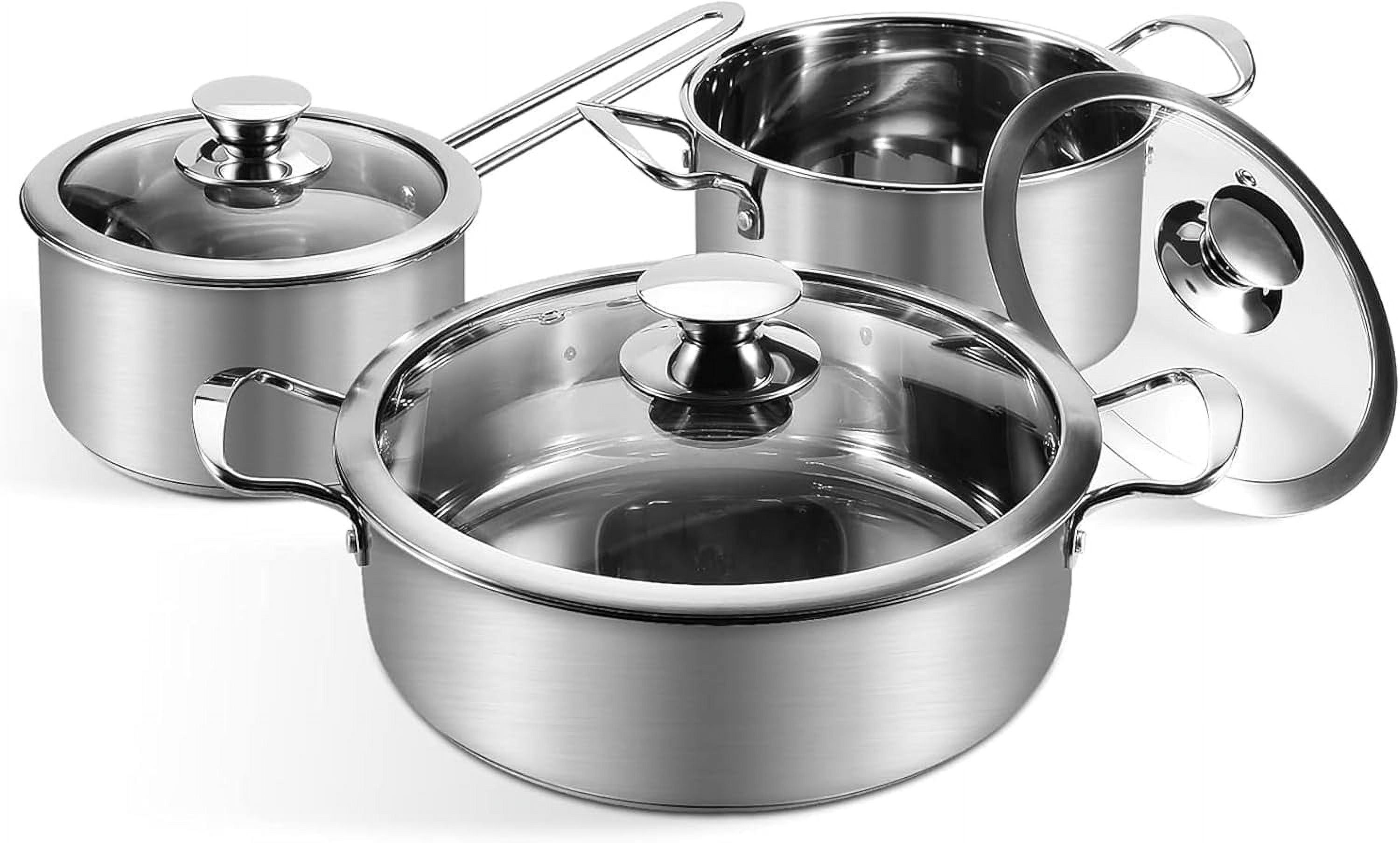
Avoid using steel wool or overly abrasive scrubbers. While stainless steel is tough, you can still scratch the surface, which can make it more prone to sticking in the future and, let’s be honest, it’s just not as pretty. Think of it as giving your pans a spa treatment, not a deep-cleaning power wash that involves industrial-strength chemicals. Gentle, consistent care is the name of the game.
The Perks Beyond the Plate
Beyond the practicalities of cooking and cleaning, there’s something inherently satisfying about using good quality cookware. Stainless steel pans have a satisfying weight to them. They feel substantial and capable. When you’re searing a steak, and you hear that satisfying sizzle and see that beautiful crust forming, you know you’ve made a good choice. It enhances the entire cooking experience, making even everyday meals feel a little more special.
And let’s not forget the longevity. A well-cared-for stainless steel pot or pan can last you a lifetime. Seriously. These aren’t disposable kitchen gadgets. They are investments. Think about it: how many cheap pans have you gone through over the years? Stainless steel, with its durable construction and resistance to wear and tear, can be passed down through generations. My grandmother’s cast iron skillet is a treasure, but I envision my good stainless steel sauté pan being a similarly cherished item for my future (hypothetical) descendants. It’s a little piece of culinary history in the making, right there on your stovetop.
So, if you’re still on the fence about upgrading your cookware, or if you’ve been eyeing those shiny stainless steel beauties but felt a little intimidated, I hope this has shed some light. They might not have the instant non-stick magic of a Teflon pan (though with proper technique, they come pretty darn close!), but their versatility, durability, and the pure, unadulterated flavor they impart to your food make them an absolute must-have in any kitchen. They are the unsung heroes, the workhorses, the reliable companions that will help you create countless delicious memories. And who knows, maybe one day you’ll be telling your own Thanksgiving turkey disaster stories… but with much better cookware!