
Cutting Hole In Sheet Metal

So, picture this: I’m trying to build this super cool custom rig for my gaming setup. You know, one of those fancy things where all the cables are hidden away and it looks like a spaceship console. I’d spent ages designing it in my head (and on a very messy napkin). It was going to be magnificent! I’d even sourced this gorgeous, brushed aluminum sheet metal for the main body. It felt so… professional. Like I was about to embark on some serious fabrication. The reality, as it often does, decided to throw a curveball. I needed to cut a perfectly round hole for a really chunky power button. Easy, right? Famous last words.
I’d watched enough YouTube videos to feel like a seasoned pro, so I grabbed what I thought was the right tool. Spoiler alert: it wasn't. The resulting… thing… I ended up with looked less like a precision-engineered opening and more like a badger had been having a bad hair day trying to get through it. There were jagged edges, weird divots, and a general air of defeat hanging over my beautiful aluminum sheet. Sigh. This is where we get to the nitty-gritty, my friends. Because sometimes, you just gotta cut a hole in sheet metal, and it’s not always as straightforward as you’d hope.
Let’s be honest, the idea of cutting sheet metal can sound a bit intimidating, can’t it? Visions of sparks flying everywhere, safety goggles fogging up, and the distinct possibility of slicing off a finger might dance in your head. And yeah, some of that is true. Safety is paramount, of course. But the actual process itself, with the right tools and a bit of know-how, is totally achievable. You don’t need a full-blown workshop to get decent results.
So, what’s the deal? Why would you even want to cut a hole in sheet metal? Well, it’s surprisingly common! Think about all those custom enclosures for electronics, car bodywork repairs, ventilation grilles, artistic metal sculptures (if you’re feeling fancy!), or even just making a new access panel for something. My gaming rig was just one little example of a zillion possibilities. It’s all about making something fit, or adding a function that wasn’t there before.
Now, before we dive into the how, let’s have a little chat about the what. What kind of sheet metal are we even talking about? You’ve got your common stuff like aluminum, steel, stainless steel, and brass. They all have different properties, which means they’ll behave differently when you try to cut them. Aluminum is generally softer and easier to work with, which is why I picked it for my ill-fated gaming rig. Steel, especially thicker steel, will require more oomph. Stainless steel, well, that’s a whole other beast – tough and resistant to corrosion, which is great, but it means it’s also a bit more stubborn to cut.
The Tool Chest of Dreams (or Nightmares)
This is where my initial story falls apart. I grabbed the wrong tool. There’s a whole arsenal out there, and picking the right one is absolutely key to avoiding the “badger incident.” Let’s break down some of the heavy hitters:
The Humble Hand Saw (and its less humble siblings)
For thinner gauge sheet metal, and for smaller, less precise cuts, a good old-fashioned hacksaw can work. You’ll need a good quality blade, something designed for metal. You’ll also need to be prepared for some elbow grease. Mark your line clearly, clamp the metal down securely (this is non-negotiable, folks!), and take steady, even strokes. Don’t force it; let the blade do the work. It’s not the fastest method, but it’s accessible and cheap.
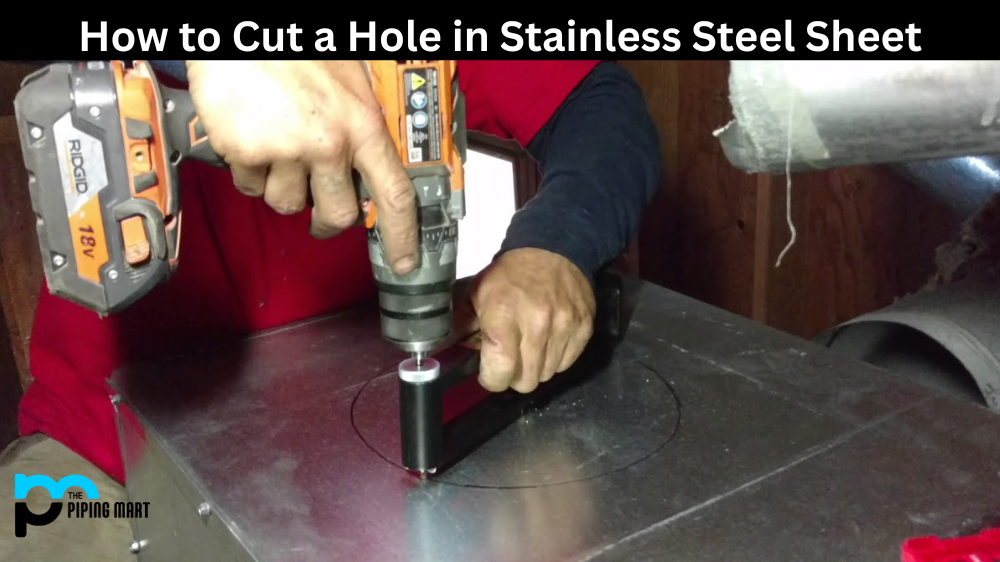
Then you’ve got your jigsaw with a metal-cutting blade. This is a step up. It’s electric, which is a relief after a good few minutes on a hacksaw. Again, clamping is vital. You can make curved cuts with a jigsaw, which is where my round hole dilemma really needed this guy. Make sure you’re using the right blade for the thickness and type of metal. Too fast, and you can melt or gum up the blade. Too slow, and you’re just struggling. It’s a bit of a learning curve, but it’s a great tool for more intricate shapes.
For straighter, cleaner cuts on thinner metal, a tin snips or aviation snips is your friend. These are basically heavy-duty scissors for metal. They come in different types: left-cut, right-cut, and straight-cut. For a simple hole, you might need to make a series of cuts to nibble away at it. It’s not ideal for a perfectly smooth circle, but for rough openings, they’re handy. Just remember, they tend to leave a bit of a ragged edge that might need filing.
The Power Tools of Might
Okay, now we’re getting serious. If you’re doing this more than once, or dealing with thicker metal, power tools become your best pals. My personal nemesis was, in hindsight, the tool I should have used, but didn’t.
The rotary tool (think Dremel, but there are other brands) with a cutting disc is a popular choice for hobbyists. It’s versatile, and with the right attachment and a steady hand, you can achieve some pretty neat results. For a round hole, you can get specific circle-cutting guides that attach to your rotary tool. This is what I should have used. It makes achieving a consistent radius much easier. You just need to be patient, let the disc do the work, and keep the tool moving. Don’t press too hard, or you’ll overheat the metal and the disc, and you’ll get a messy cut. Trust me on this.
Then you have the angle grinder with a metal cut-off wheel. This is for more serious work. It’s powerful, and it can chew through metal surprisingly quickly. However, it’s also… aggressive. It’s fantastic for straight cuts or rough shaping, but getting a perfectly clean, smooth circle might be tricky without a guide. Sparks will fly. Lots of them. So, safety gear is an absolute must. We’re talking a full face shield, thick gloves, and maybe even ear protection. It’s not for the faint of heart, but it gets the job done.

And if you’re feeling really fancy, or you’re tackling bigger projects, there are dedicated metal shears and nibblers. Nibblers are amazing for cutting out shapes without deforming the metal, which is a big plus. They punch out small pieces of metal, almost like a hole punch, but in a continuous motion. They’re great for complex patterns and avoiding sharp edges.
The Professional’s Secret Weapon (or the really, really expensive ones)
For those who do this for a living, or for those with deep pockets, there are tools like plasma cutters and laser cutters. These are precision instruments that use incredibly high temperatures to slice through metal with minimal effort and exceptional accuracy. If you can get access to one of these, you’re golden. But for the average DIYer, they’re probably out of reach. Still, it’s good to know they exist!
The Art of Preparation: Don’t Be Like Me!
So, back to my cautionary tale. What did I do wrong, besides grabbing the wrong tool? I didn’t prepare properly. This is where you can save yourself a lot of grief. Let’s talk about it:
1. Safety First, Always. (Seriously.)
I can’t stress this enough. Metal edges are sharp. You will cut yourself if you’re not careful. Wear thick gloves, preferably leather. Wear eye protection, a good pair of safety glasses or, even better, a full face shield, especially when using power tools that create sparks or flying debris. If you’re using tools that are noisy, like an angle grinder, earplugs or ear defenders are a good idea. Wear sturdy, closed-toe shoes. No flip-flops while you’re wielding power tools, okay? Promise me you’ll be safe.

2. Measure Twice, Cut Once. (You’ve heard it, now do it.)
This is the golden rule of any DIY project, and it’s especially true for cutting. Get your measurements absolutely perfect. For a hole, this means marking the center point accurately and then using a compass or a template to draw your circle. A fine-tip permanent marker is your friend here. If you’re cutting a straight line, use a ruler or a straight edge. Double-check everything before you even think about picking up a tool.
3. Secure Your Material. (The Rock-Solid Foundation.)
This is what I failed miserably at. If your sheet metal isn’t held down securely, it’s going to vibrate, shift, and generally make your life miserable. Not to mention the increased risk of accidents. Use clamps – C-clamps, F-clamps, whatever you have – to firmly secure the metal to a sturdy workbench or table. If you’re cutting a hole, make sure the area around the hole is supported, so the cutout piece doesn’t fall and snag your tool.
4. Use a Guide or Template. (For Precision, Not Pleading.)
For a precise shape like a circle, you need a guide. If you’re using a rotary tool, a circle cutter attachment is your best bet. If you’re using a jigsaw, you might be able to use a circle-cutting jig. For simpler shapes, a template made from cardboard or thinner plastic can be incredibly helpful. Trace around it, and then follow that line as precisely as possible.
5. Start Small and Work Your Way Up. (Patience, Young Grasshopper.)
Especially with power tools, don’t try to make the entire cut in one go. For a circular hole, you might start by drilling a pilot hole in the center, then using your rotary tool or jigsaw to cut from that pilot hole outwards. Or, if you’re using snips, you might make a series of smaller, overlapping cuts to gradually remove the metal. It’s slow and steady wins the race here, not brute force.
6. Cool Down. (Don’t Let Things Get Too Hot.)
Metal cutting generates heat. Too much heat can warp the metal, damage your cutting tool, and make the process more difficult. For thinner metals and with tools like rotary cutters, a light misting of water or a dedicated cutting fluid can help keep things cool. Be mindful of where you’re spraying water if you’re using electric tools, obviously! For thicker metals and more aggressive cutting, heat management becomes even more critical.

The Aftermath: Tidying Up the Mess
Once you’ve successfully (and hopefully safely!) made your cut, the job isn’t quite done. Metal edges, especially after cutting, can be incredibly sharp. You don’t want to slice your hand open every time you touch it.
This is where files and sandpaper come in. For most cuts, a metal file is essential. Start with a coarser file to knock down any really rough burrs, and then move to a finer file for a smoother finish. Emery cloth or sandpaper with a high grit count can also be used to polish the edges. Again, wear your gloves while you’re doing this!
For a really clean, professional-looking edge on a drilled hole, you might consider using a countersink bit. This will create a beveled edge around the hole, making it safer and also giving it a finished look, which is particularly useful if the hole is going to be visible.
And if, like me, your initial attempt was… less than stellar, don’t despair. You can often clean up a jagged edge with careful filing and sanding. It might not be perfect, but it can usually be made functional and safe. Sometimes, a little bit of metal putty or filler can even hide minor imperfections if it’s an aesthetic job.
So, the next time you find yourself needing to cut a hole in a sheet of metal, whether it’s for a grand engineering project or just to add a USB port to your super-secret hideout, remember this: take your time, choose the right tool for the job, and prioritize safety above all else. It might seem daunting at first, but with a bit of practice and the right approach, you’ll be creating clean, precise holes in no time. And you’ll avoid any impromptu wildlife encounters with your workpiece. Good luck!