
Cutting Stainless Steel With Plasma Cutter

Alright, let's talk about wrestling with stainless steel. You know, that shiny, stubborn metal that’s all over your kitchen, your car, maybe even those fancy garden sculptures? It’s the material that laughs at your average hacksaw and probably wouldn't even flinch if you offered it a really stern talking-to. But fear not, my friends, because we've got a secret weapon in our arsenal: the plasma cutter.
Think of a plasma cutter like a super-powered, really, really hot breath of air. Not just any air, mind you, but air that’s been zapped into an electrically charged state – we call that plasma. This plasma is so unbelievably hot, it can melt pretty much anything in its path. It’s like taking a tiny, controlled lightning bolt and using it to slice through metal. Pretty wild, right?
Now, I know what you’re thinking. “Plasma cutter? That sounds like something out of a sci-fi movie!” And honestly, it kind of does. But the reality is, these bad boys are becoming more accessible, and they’re a game-changer for anyone who’s ever faced the daunting task of cutting through thick, unyielding stainless steel. It’s the difference between trying to cut a steak with a butter knife versus, well, a plasma cutter.
Taming the Shiny Beast
Stainless steel. It’s popular for a reason. It doesn’t rust like a rusty old bike chain, it looks slick, and it can take a beating. But when it comes to cutting it, it can feel like you’re trying to perform delicate surgery with a sledgehammer. Traditional methods? Oh boy. You could spend hours with a jigsaw, and the blade would probably go dull faster than you can say "ouch, my arm!" Or maybe you’ve tried an angle grinder. That’s a bit like trying to fight a fire-breathing dragon with a water pistol – you’ll make some progress, but it’s messy, loud, and sparks will fly everywhere like a disgruntled glitter bomb.
That’s where our plasma pal comes in. It’s like bringing a precision laser beam to a knife fight. It’s fast, it’s relatively clean (compared to some other methods, anyway), and it can handle thicker materials with a grin. Imagine you’re trying to cut out a perfect circle from a sheet of stainless steel for, say, a custom pizza oven lid. With a plasma cutter, you can get that clean, precise cut that makes you feel like a metal-bending superhero.
It’s not just about brute force, though. Plasma cutting is a dance between electricity, gas, and a whole lot of heat. The machine takes compressed air (or another gas, depending on the application), passes it through a constricted nozzle, and then an electrical arc ignites it. This creates a superheated stream of plasma, hotter than the surface of the sun, we’re talking around 20,000 degrees Celsius! That’s hot enough to vaporize metal. It’s like giving the metal a really intense, but very brief, sauna that causes it to melt and blow away.
The “Oh, I Get It Now!” Moment
Ever tried to assemble IKEA furniture and ended up with a wobbly bookshelf that looks like it’s had one too many existential crises? Cutting stainless steel can feel a bit like that, but amplified. You need precision. You need control. And you definitely need a tool that won’t give you a hernia trying to make a straight cut. The plasma cutter, when used correctly, offers that sweet spot of power and control. It’s like going from trying to carve a statue with a spoon to using a finely tuned chisel.
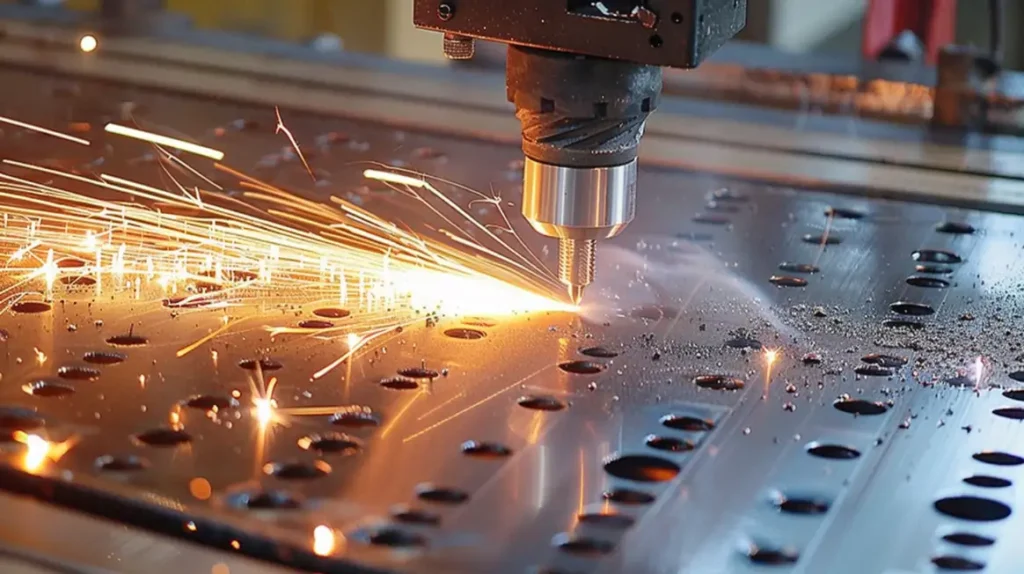
I remember a buddy of mine, let’s call him Dave. Dave decided he wanted to build a custom BBQ grill that would make all the neighbors weep with envy. He’d picked up some beautiful, thick stainless steel plates. He started with a hacksaw. After about an hour, he had a scratch and a whole lot of sweat. Then he moved onto an angle grinder. Sparks flew, the noise was deafening, and the cut was… well, let’s just say it looked like a beaver had a go at it. Finally, he rented a plasma cutter. The moment he fired it up and the plasma stream effortlessly sliced through the metal, his face lit up like a Christmas tree. It was that “aha!” moment where you realize you’ve been using the wrong tool for the job all along.
The beauty of it is that the plasma stream is so focused. It’s not like a giant saw blade that wobbles around. It’s a concentrated beam of fiery goodness. This means you can get really clean edges, which is crucial if you want your creation to look less like a construction site accident and more like a work of art. And who doesn’t want their metal creations to look like art, right?
Safety First, Fun Second (But Still Fun!)
Now, before you go thinking this is all fun and games, let’s talk about safety. Remember that whole “hotter than the surface of the sun” thing? Yeah, that’s not to be taken lightly. You wouldn’t play with a campfire by sticking your hand in it, and the same logic applies here, just dialed up to eleven.
You absolutely need proper safety gear. We’re talking safety glasses or a welding helmet with a proper shade to protect your eyes from the intense UV light. Think of it like wearing sunglasses, but for a tiny, localized sun. You’ll also need gloves, preferably leather ones, to protect your hands from heat and potential sparks. And a flame-resistant apron or clothing is a must. Nobody wants to be the guy walking around with a smoldering hole in their favorite t-shirt. Trust me on this one. We’ve all been there, or at least heard the stories.

Ventilation is another biggie. When you’re melting metal, you’re also releasing fumes. So, make sure you’re in a well-ventilated area, or even better, use a fume extraction system. It’s like giving your lungs a break from all that metal-y goodness. Nobody wants to inhale microscopic pieces of molten steel, even if it is stainless.
And let’s not forget about the workspace. Keep it clear of anything flammable. We’re talking rags, wood, that pile of old newspapers you’ve been meaning to recycle – move it all away. Plasma cutters can create sparks, and those sparks can travel. You don’t want your DIY project to accidentally become a full-blown inferno. It's like avoiding leaving your phone charger plugged in near a puddle – common sense, but essential.
Handling the Torch Like a Pro
Once you’re kitted out and your workspace is prepped, it’s time to get hands-on. The plasma torch itself is where the magic happens. It’s like the wand of a metal wizard. You’ll be holding it a specific distance from the metal, usually just a fraction of an inch. Too close, and you might clog the nozzle. Too far, and the cut won’t be as clean, or you might not even get through.
It’s a bit of a feel thing, you know? Like learning to ride a bike. At first, it feels awkward, you might wobble a bit, but with practice, you find that sweet spot. You’ll develop a smooth, consistent movement, gliding the torch along your cutting line. Think of it like drawing with a very hot, very precise pen. You want to maintain a steady hand and a consistent speed.
The sound is also something to get used to. It’s a high-pitched hiss, a bit like a giant, angry snake. But it’s the sound of progress! And as you get better, you’ll notice how the molten metal is blown away from the cut, leaving that nice, clean edge. It’s incredibly satisfying.

When Plasma Cutting is Your Best Friend
So, where does this magical tool fit into your life? Well, if you’re a hobbyist metalworker, a DIY enthusiast who likes to build things that aren’t made of cardboard, or even if you just need to cut a piece of stainless steel for a project around the house, a plasma cutter can be a lifesaver. Projects like building custom exhaust systems for your car, fabricating metal art, cutting out parts for a go-kart, or even just trimming down a large stainless steel sheet for a workbench – these are all tasks where a plasma cutter shines.
Imagine you’re building a custom boat trailer out of stainless steel. You need to cut precise angles and shapes to make it both functional and good-looking. Trying to do that with a regular saw would be a nightmare. But with a plasma cutter, you can achieve those clean, sharp cuts that make the trailer look professionally made. It’s the difference between a trailer that just works and a trailer that people admire.
It’s also a fantastic tool for repair work. If a piece of stainless steel equipment in your workshop breaks, and you need to fabricate a replacement part, the plasma cutter makes it much more achievable. You can cut out exactly what you need, with precision, without having to wait for specialized parts or spend a fortune. It’s empowering, really. You become the master of your own metal destiny!
The Little Quirks of the Plasma World
Now, it’s not all sunshine and perfectly cut metal. Plasma cutters have their quirks. The consumables – things like the electrode and the nozzle – do wear out. Think of them as the ink in your pen. Eventually, they run out and need replacing. It’s a part of the process, and it’s good to have spares on hand so you don’t get stopped mid-project because you ran out of tiny, crucial metal bits.
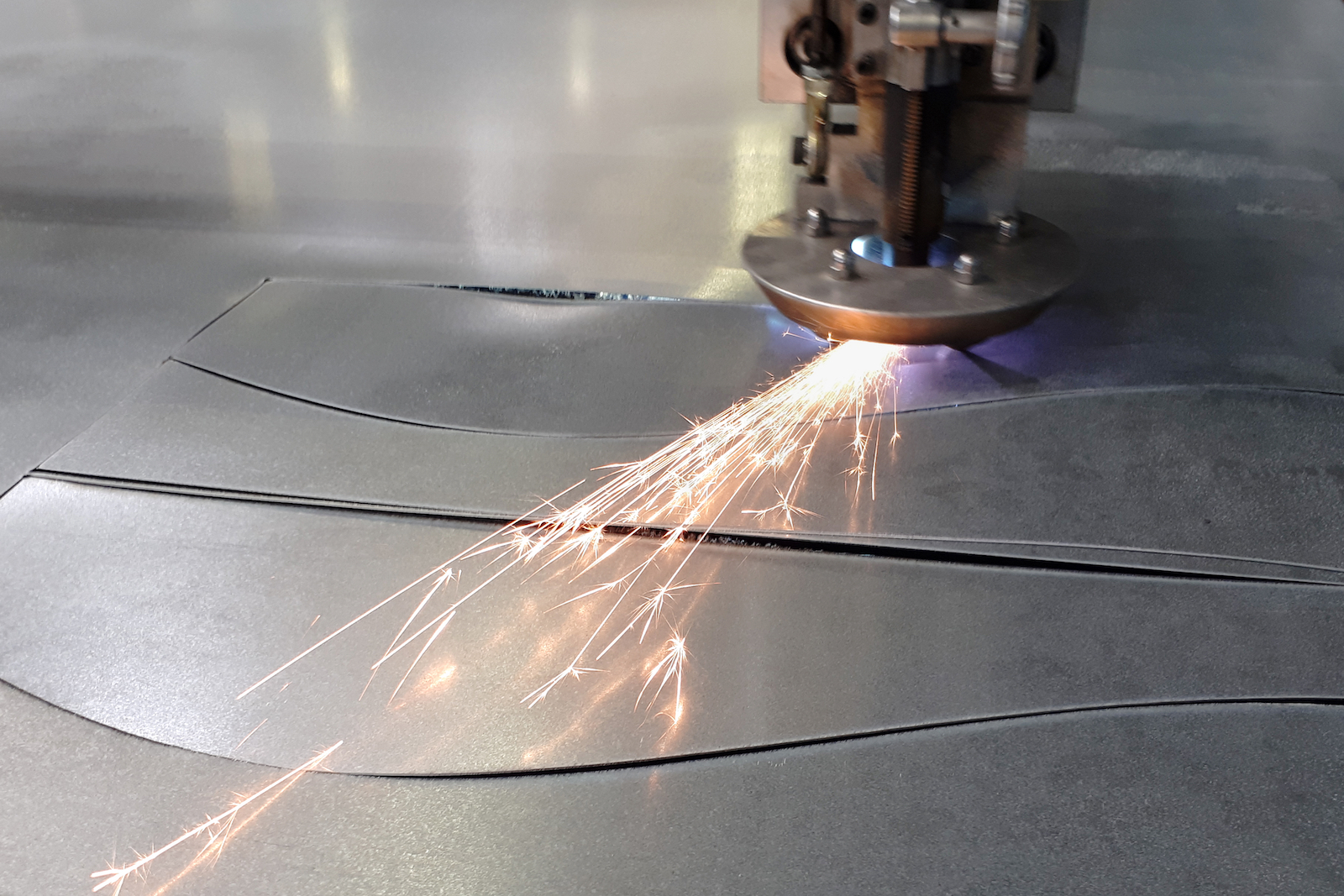
And sometimes, you might get a bit of what’s called “dross” – essentially, little blobs of molten metal that stick to the bottom of your cut. It’s like when you’re trying to pour a perfect cup of coffee and a little bit spills over the side. It’s usually not a big deal, and a grinder can easily clean it up, but it’s something to be aware of. The cleaner your cut, the less dross you’ll have to deal with.
Also, the quality of the cut can depend on the power of your plasma cutter and the thickness of the material. A little 20-amp plasma cutter isn’t going to slice through a half-inch thick stainless steel plate like butter. You need to match the tool to the job. It’s like trying to use a tiny screwdriver to turn a giant bolt – it’s not going to end well. But for most common thicknesses you'll encounter for DIY projects, a decent home-use plasma cutter will do a fantastic job.
The Verdict: Worth the Hype?
So, is cutting stainless steel with a plasma cutter worth all the fuss? Absolutely. If you’re serious about working with metal, or if you’ve got a project that demands clean, precise cuts through stainless steel, then investing in or renting a plasma cutter is a no-brainer. It’s a tool that bridges the gap between hobbyist and professional, allowing you to achieve results that were once only possible with expensive industrial equipment.
It’s the kind of tool that makes you look at a piece of stainless steel and think, "Okay, what can I build now?" It opens up a world of possibilities, from custom fabrication to intricate art pieces. It’s the difference between admiring that sleek stainless steel railing on a balcony and thinking, "You know what? I could totally build something like that."
And the sheer satisfaction of watching that plasma torch melt through metal with such ease is something else. It’s powerful, it’s precise, and when you get it right, it’s incredibly rewarding. So, if you’re ready to stop wrestling with stubborn stainless steel and start creating with it, the plasma cutter might just be your new best friend. Just remember the safety gear, and you'll be cutting like a pro in no time. Happy cutting!