
Describe Boo Radley In To Kill A Mockingbird

Ever had one of those neighbors you never really see? You know, the ones everyone talks about, the ones with the curtains always drawn, the ones who become the stuff of legend in your own neighborhood? That’s kind of like Arthur "Boo" Radley in Harper Lee's classic novel, To Kill a Mockingbird. He's the ultimate mystery man, living in the shadows of Maycomb, Alabama, and for Scout Finch and her brother Jem, he’s the central character in their childhood games of make-believe.
Think about it like this: you’ve probably got that one house on your street where kids dare each other to go up to the door, right? Or maybe there’s that old, creaky shed in your grandma’s backyard that’s rumored to be haunted. Boo Radley is that spooky, whispered-about figure, but with a whole lot more depth. He’s the boogeyman that Scout, Jem, and their friend Dill concoct in their imaginations, fueled by gossip and a healthy dose of childhood curiosity.
Scout, our narrator, is this spunky, smart kid, a bit of a tomboy who’s always asking questions. And her questions about Boo are the kind that many of us have asked about things we don't understand. Why does he stay inside? What does he look like? Is he really a monster?
The kids’ fascination with Boo is so intense, it’s like they’re trying to solve the world’s most intriguing puzzle. They spend their summer days devising elaborate schemes to lure him out. They write him letters, try to sneak onto his porch, and even act out his supposed life story, complete with dramatic flair. It’s like when you and your friends decided you were going to build a secret fort so epic, it would rival any in the world, and you imagined all sorts of characters who might visit or guard it.
But here’s the really important part: the picture the kids paint of Boo is based on pure speculation and the wild tales spun by the grown-ups in town. They hear he’s a six-foot-tall man who eats raw squirrels and has a “long, jagged scar that ran across his face.” Yikes! It’s easy to see why they’re both terrified and absolutely captivated. It’s like hearing a ghost story that’s so good, you almost believe it, even though you know it’s just a story.
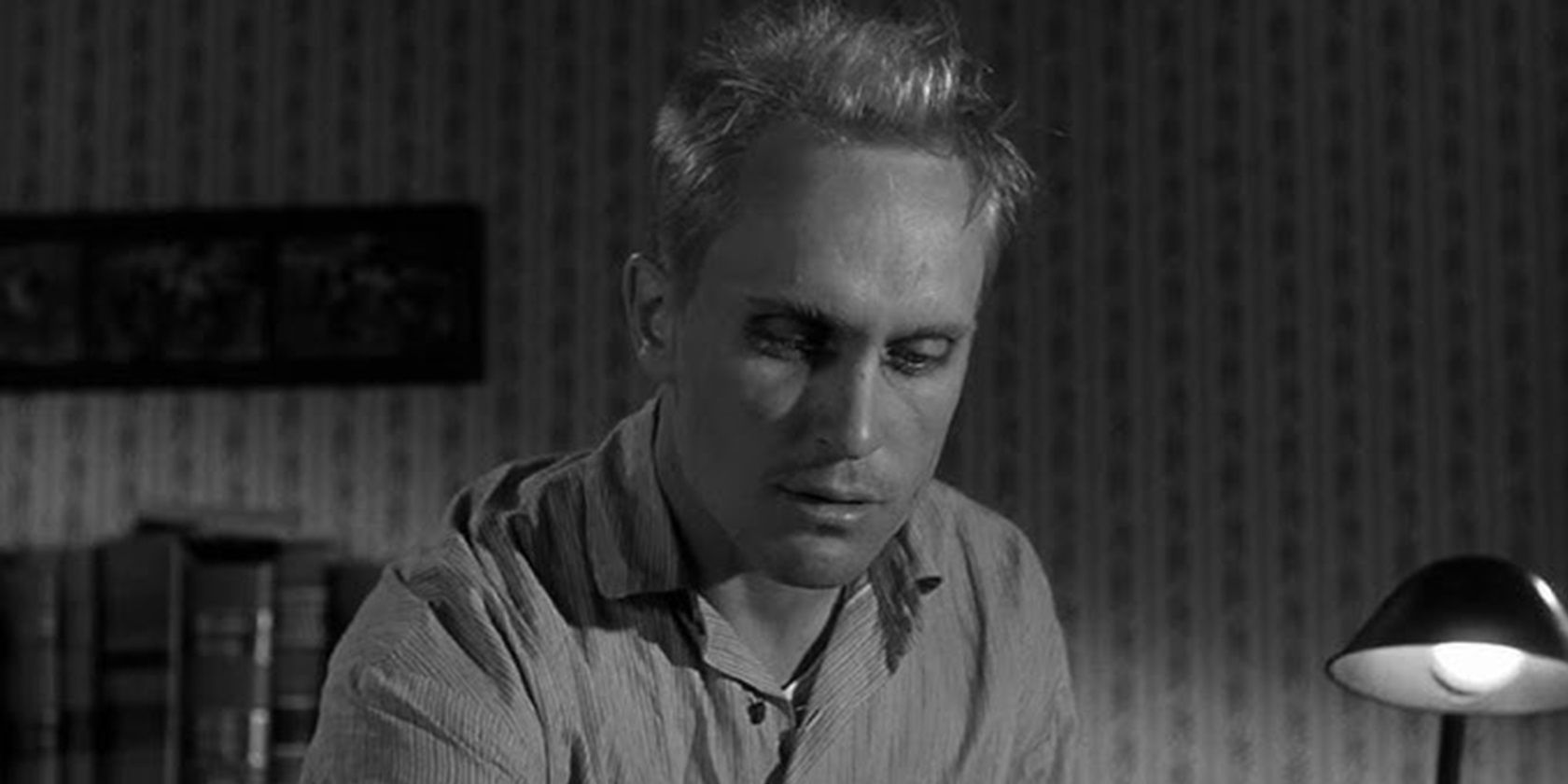
Beyond the Spooky Stories
As the story unfolds, though, the kids start to see glimpses of the real Boo. These are the moments that really make you pause and think. One day, Jem’s pants get caught on the Radley fence. He’s convinced he’ll never get them back without Boo seeing him, and that’s a disaster. But guess what? The next morning, his pants are there, neatly folded and mended. Mended! By whom? You guessed it.
Then there are the gifts. Small, carefully placed treasures appear in the knothole of a tree on the Radley property. Tiny carved soap figures, a broken pocket watch, two shiny Indian-head pennies. These aren't the actions of a monster. These are acts of quiet kindness, almost like secret notes from a friend you haven’t met yet. It’s like finding a little note with a smiley face tucked into your lunchbox by someone who knows you’re having a tough day, even though you’ve never seen them.
These little acts start to chip away at the terrifying image Boo has in the kids’ minds. They begin to wonder if maybe, just maybe, the stories are wrong. Maybe Boo isn’t a monster at all. This is where the book gets really clever. It shows us how easy it is to judge people based on rumors and appearances, and how wrong we can be.
The Quiet Protector
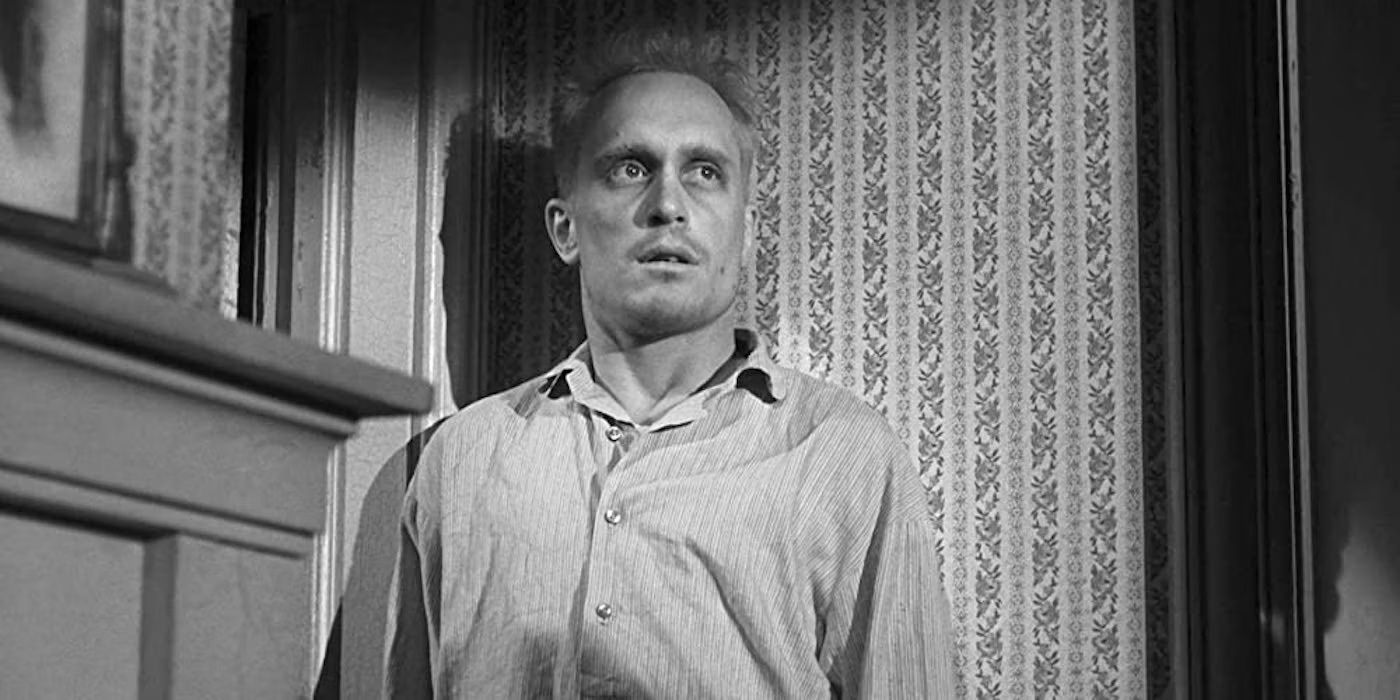
The climax of Boo's story, and arguably the book's most poignant moment, comes when Bob Ewell, the town bully and a genuinely nasty character, attacks Scout and Jem. It’s a terrifying scene. And who comes to the rescue? It’s Boo Radley. He emerges from his dark house, a figure of unexpected courage, and saves the children.
In that moment, the legend of the monstrous Boo Radley is shattered. He’s revealed not as a phantom, but as a person who has been watching, and who cares. He’s not a creature of the night; he’s a gentle soul who has been misunderstood and isolated. He’s like the quiet kid in class who you never really noticed, but who would totally stand up for you if someone was being mean.

Scout, who has always been so afraid of him, finally sees him. And when she looks at him, she doesn't see the monster the town has made him out to be. She sees a person. In fact, when Sheriff Tate is deciding how to handle the situation with Bob Ewell, Atticus is worried about making Boo a public spectacle. But Scout, with her newfound understanding, says it best: "Well, it’d be sort of like shootin’ a mockingbird, wouldn’t it?"
And that’s the heart of it, really. Boo Radley is a living, breathing metaphor for innocence and vulnerability. Mockingbirds, as Atticus explains, don't do anything but make music for us to enjoy. They're harmless. To hurt them would be a terrible wrong. Boo, in his own way, is like that. He’s a person who has been hurt by the world, who has been kept in isolation, and who ultimately shows immense kindness and bravery. He’s not a threat; he’s a victim of circumstance and prejudice.
So, why should we care about Boo Radley? Because his story is a powerful reminder to look beyond the surface. It encourages us to question our own assumptions and the stories we hear about others. It teaches us that people are rarely as simple as they seem, and that true understanding comes from empathy and a willingness to see the good, even in the most unexpected places. He’s the shy neighbor who bakes you cookies, the silent guardian who watches over your street, the quiet person whose kindness can change everything. And that’s a pretty important thing to remember, wouldn't you agree?