
Did The Roman Colosseum Have Naval Battles
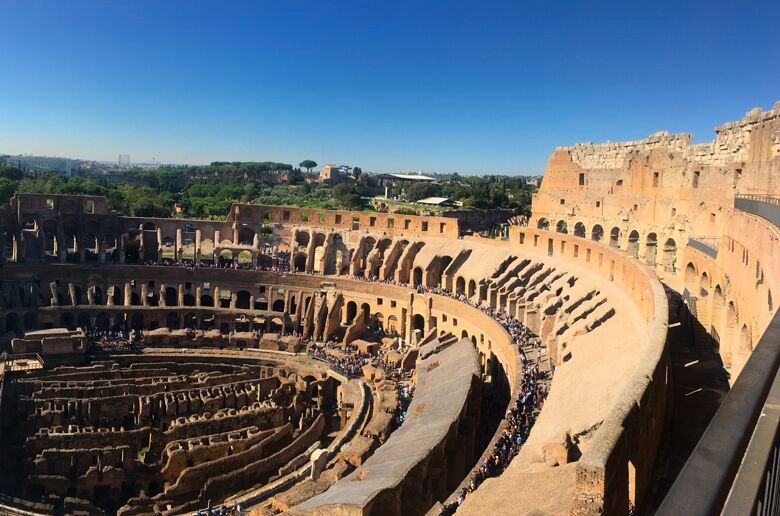
Hey there, history buffs and curious minds! Let's talk about one of the most famous buildings in the world: the Roman Colosseum. It's like the ultimate ancient arena, a place that brings to mind gladiators and roaring crowds.
But did you know it might have hosted something even crazier? Imagine this: the entire floor of the Colosseum, filled with water, turning into a giant swimming pool for ships. Yes, we're talking about naval battles right there in the heart of Rome!
It sounds wild, right? Like something out of a blockbuster movie. The idea of warships clashing where gladiators once fought is pretty mind-blowing.
So, Did It Really Happen?
This is where the fun detective work begins. Historians have been scratching their heads about this for ages. We have some ancient writers who say it happened. They talk about these incredible water spectacles, called naumachiae.
These were basically mock naval battles. Think reenactments, but on a massive, very wet scale. The writers describe ships, soldiers, and all the drama of a sea fight unfolding before thousands of cheering Romans.
One of the most famous accounts comes from a guy named Martial. He wrote poems about the Colosseum's opening games in 80 AD. He specifically mentions the emperor flooding the arena for a sea battle.
The Evidence: What Do We See?
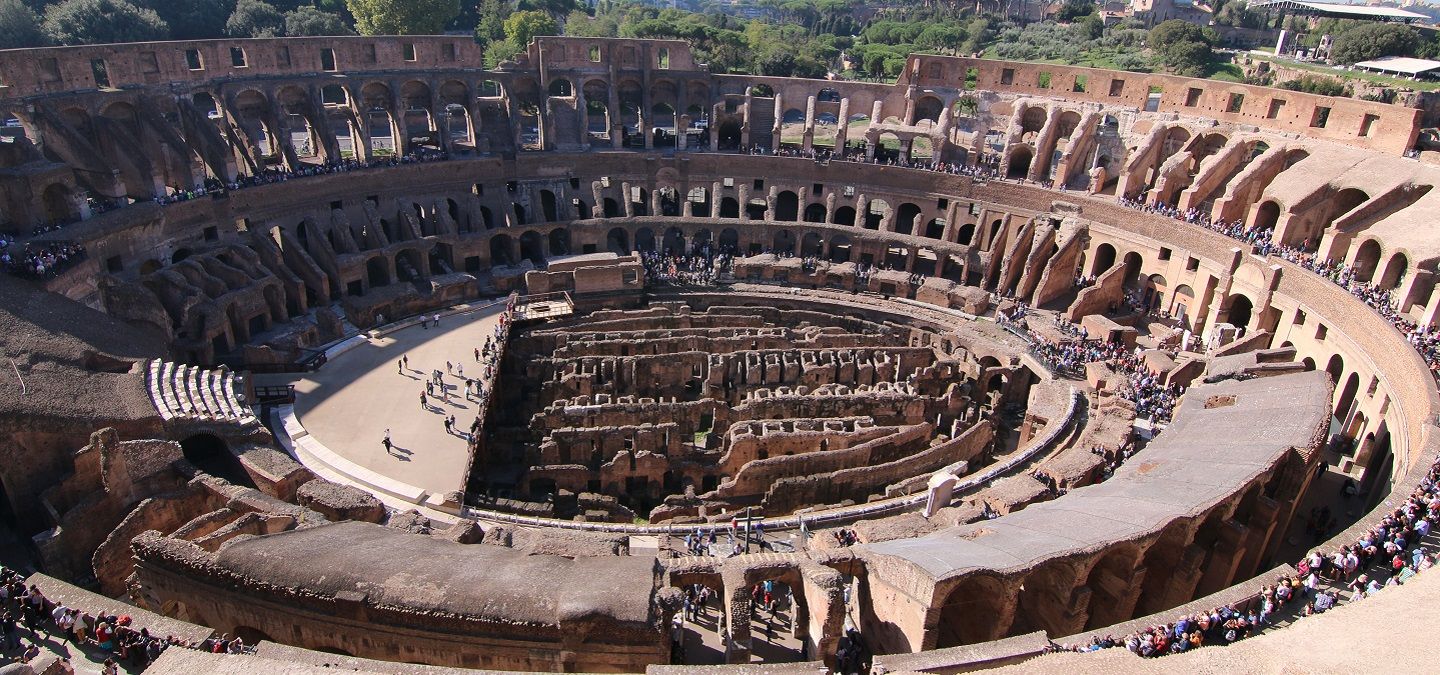
Now, finding direct, undeniable proof is tricky. The Colosseum we see today has a complex underground structure called the hypogeum. This was added later and was used for holding animals and gladiators before their big moments.
The hypogeum’s complex network of tunnels and chambers doesn't look like it could easily hold a massive amount of water. It's like the basement of a skyscraper – built for a different purpose and a different time.
However, early on, before the hypogeum was built, the Colosseum's arena floor was much simpler. It was just a wooden platform covered with sand. This earlier structure could have been waterproofed and flooded.
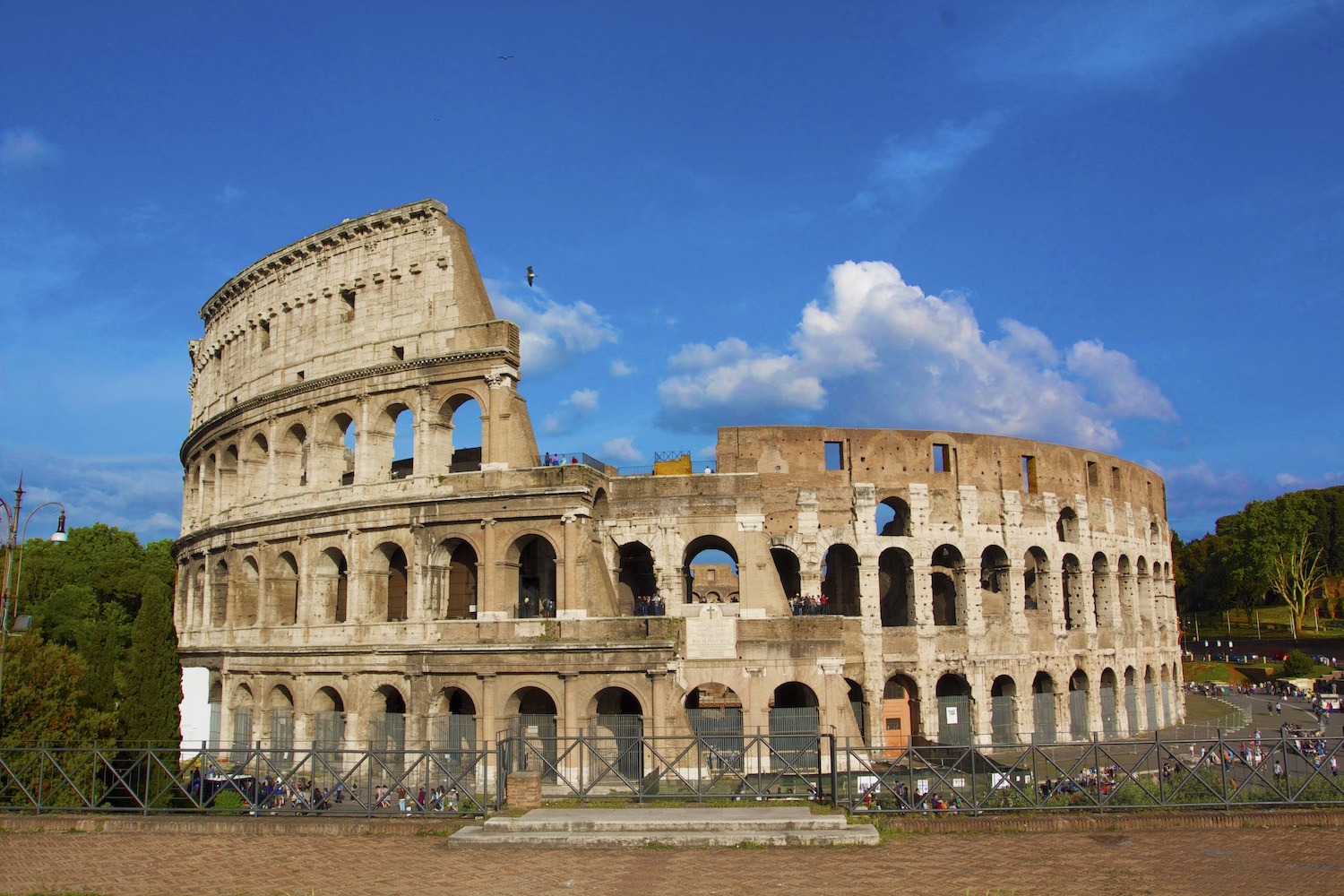
Some researchers believe the hypogeum was built after the naumachiae stopped being held. Or perhaps they were held in a different, earlier version of the Colosseum, or even a specially constructed temporary basin before the permanent structure was completed.
Why It's So Cool to Think About
Even if the evidence is a little fuzzy, the idea of naval battles in the Colosseum is just too awesome to ignore. It speaks to the Romans' incredible engineering skills and their love for grand, unforgettable entertainment.
Imagine the spectacle! Ships, even if they were smaller versions, navigating a watery arena. The sounds of oars splashing, the shouts of the crews, the clang of mock combat. It would have been a sensory overload.
And the crowd! They would have been going absolutely wild. Picture them on the tiered seats, leaning forward, captivated by this unusual and dangerous-looking show.
It’s not just about the fighting; it's about the sheer scale and ingenuity. The Romans were masters of taking an idea and making it bigger, louder, and more impressive than anyone had ever seen.
What Would These Battles Be Like?
These weren't real wars with life-and-death stakes, of course. They were staged events. The "sailors" and "warriors" were likely prisoners or condemned criminals, their performances a form of spectacle rather than actual combat.
The ships themselves were probably smaller, specially built for the arena. Think mini-galleys, designed to maneuver in a confined space. The focus would have been on the visual drama and the simulation of naval warfare.
It’s possible they even staged famous naval battles from history, like the Battle of Actium. Imagine Romans cheering as they watched a reenactment of a pivotal moment in their own past, played out on a watery stage.
The whole point was to amaze and entertain. The Romans loved showing off their power and their ability to control nature and create elaborate spectacles.
The Engineering Marvel
The biggest question, of course, is how they would have filled and drained such a massive arena. It would have required an incredible feat of engineering. The Romans were famous for their aqueducts and complex water systems.
They could have used the existing water infrastructure of Rome to channel water into the Colosseum. Draining it would have been another challenge, likely involving sophisticated drainage channels and pumping systems.
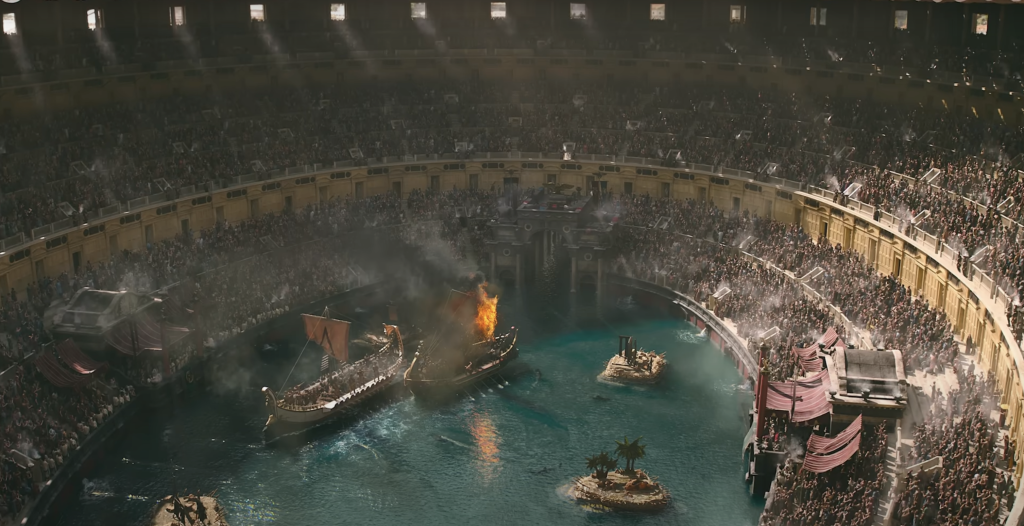
Think about the logistics! Getting the water in, making sure it was deep enough for the ships, and then getting it all out again so the gladiators could do their thing. It’s mind-boggling.
This possibility highlights the Romans' incredible understanding of hydraulics and their ability to manipulate their environment on a grand scale.
A Glimpse into Roman Imagination
Whether or not naval battles happened regularly in the Colosseum, the fact that ancient writers believed they did, and that the possibility is still debated, is fascinating. It tells us something about the Roman imagination and their desire for the ultimate in entertainment.
They weren't content with just ground-based combat. They wanted to push the boundaries, to surprise and shock their audiences. A watery battlefield in their most iconic arena? That's the kind of bold idea they might have entertained.
It’s a testament to their ambition and their flair for the dramatic. They took a world-famous venue and imagined it transformed into something entirely new, something epic.
Why We Should Care

Understanding these potential events helps us appreciate the Romans more fully. They weren't just conquerors and builders; they were also incredible entertainers and innovators.
The Colosseum wasn't just a place of violence; it was a stage for human ingenuity and a reflection of Roman culture. The idea of naval battles adds another layer of wonder to this already incredible monument.
It makes you look at the ruins with fresh eyes, imagining the water shimmering, the ships bobbing, and the crowds roaring. It's a mental picture that sparks curiosity and a desire to learn more.
The Mystery Continues
So, the jury might still be out on the naval battles. Historians continue to study the evidence, and new discoveries could always shed more light on this ancient mystery. But that ambiguity is part of the fun, isn't it?
It leaves room for imagination. It encourages us to think about the possibilities, to picture the ancient world in all its vibrant, sometimes unbelievable, glory.
The Roman Colosseum continues to capture our imaginations, and the possibility of it hosting naumachiae only adds to its legendary status. It’s a reminder that history is full of surprises and that sometimes, the wildest stories might just be true!
Maybe, just maybe, when you visit the Colosseum, you can close your eyes for a moment and picture the water rising, the ships appearing, and the epic sea battles that might have once taken place. It’s a pretty cool thought, don’t you think?