
Difference Between Alloy And Steel Wheels

Hey there, fellow road warriors! Ever find yourself staring at your car, or maybe a friend's shiny ride, and wonder what's going on with those wheels? You know, those big circular things that make your car go 'round and 'round? Well, today we're going to have a little chinwag about something that might seem a bit technical, but trust me, it’s actually pretty neat and can even save you some cash and headaches down the line. We’re talking about the difference between alloy wheels and steel wheels. Don't worry, no boring lectures here, just good old-fashioned car chat!
Think of your car’s wheels like your favorite pair of shoes. You wouldn't wear chunky work boots to a fancy dinner, right? And you definitely wouldn't wear delicate ballet flats for a hike in the mountains. Your shoes need to be right for the job. It’s the same with your car's wheels! They have a big impact on how your car looks, how it drives, and even how much fuel it guzzles.
Let's start with the OG, the granddaddy of car wheels: steel wheels. These are the workhorses, the dependable buddies of the wheel world. Picture a knight in shining armor – strong, sturdy, and built to take a beating. That’s kind of what steel wheels are like. They’re typically made from thick sheets of steel that are stamped and welded together.
Most cars that come straight from the factory, especially the more budget-friendly ones or those built for tough jobs, often roll out on steel wheels. You might recognize them because they usually have a duller, more utilitarian look. Often, they’re covered up with a hubcap. Ever popped one of those off? It's like uncovering a secret! Underneath, you'll see that basic, no-frills steel rim. It’s a bit like your trusty old jeans – comfortable, practical, and always there for you.
So, what’s the big deal about steel wheels? Well, the most amazing thing is their durability. They are seriously tough. Think about hitting a pothole the size of a small crater (we’ve all been there, haven't we?). A steel wheel is much more likely to bend or deform rather than shatter. This means it’s often easier and cheaper to repair a dented steel wheel than to replace a cracked one. Plus, and this is a biggie for many, they are generally much less expensive to produce and buy. So, if you’re on a tight budget or just want something that’s going to survive pretty much anything you throw at it, steel wheels are your go-to.
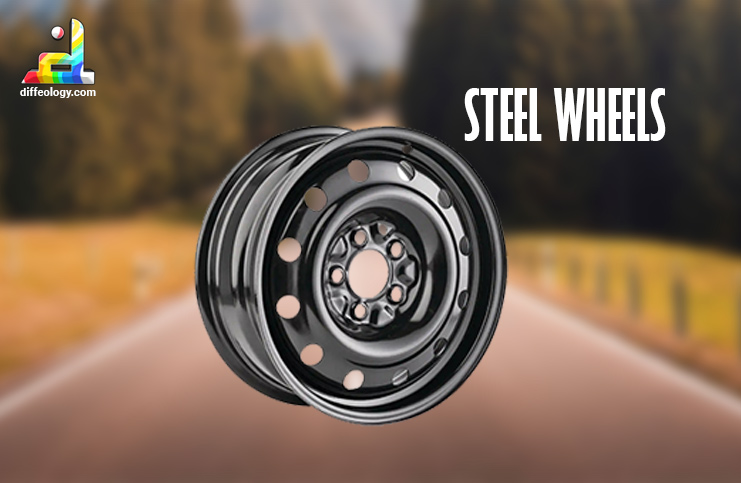
However, as with most things in life, there’s a flip side. Steel is a heavier material. This means steel wheels are, well, heavy. And what happens when your wheels are heavier? Your car has to work harder to get them spinning. This can translate to slightly worse fuel efficiency. It's like trying to run in thick socks versus running in light trainers – you’ll feel the difference! Also, aesthetically, they’re not exactly the belle of the ball. While hubcaps can dress them up, they don’t usually have the sleek, sporty look that many people crave.
Now, let’s talk about the flashier cousin: alloy wheels. These are the sports cars of the wheel world, the ones that turn heads. Alloy wheels are made from a mixture of metals, usually aluminum, with other elements like nickel, magnesium, or silicon. This combination creates a material that is lighter and often stronger in specific ways than pure steel. Think of them as the fancy, high-tech sneakers you’d wear for a run – light, agile, and designed for performance.
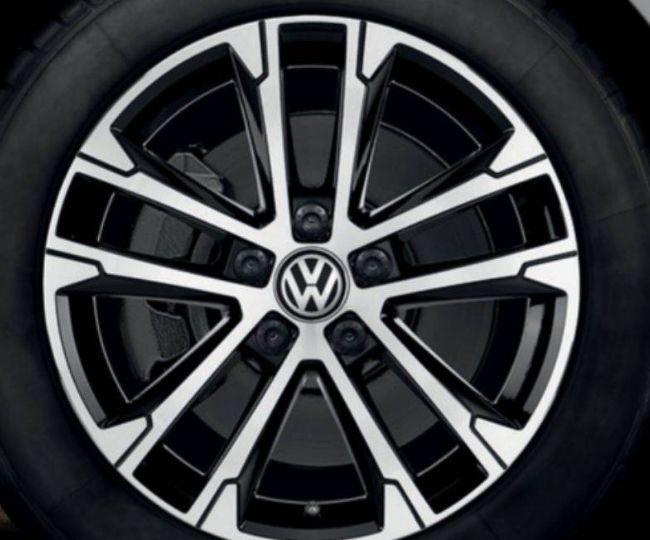
Alloy wheels come in an absolutely dizzying array of designs, finishes, and sizes. You can get them in polished silver, matte black, gunmetal grey, or even vibrant colors. They have intricate spokes, clean lines, and a polished finish that just screams "look at me!" They’re often the standard on higher-end vehicles and a popular upgrade for anyone wanting to give their car a more personalized and stylish look. It’s like choosing a custom paint job for your car – it’s all about expression!
So, why would someone choose these fancy alloy wheels? The biggest advantage is their light weight. Because they're lighter, they allow your car to accelerate more quickly and can improve fuel economy. It’s a direct benefit – less weight means less effort for the engine. Think of it like this: if you’re carrying a backpack full of books, it’s going to be harder to walk than if you’re carrying a light feather. Alloy wheels are the feather!
Alloy wheels also offer excellent handling. Their lighter weight means they have less unsprung mass (that’s the weight of the parts not supported by the suspension, like wheels, tires, brakes, etc.). This can lead to a more responsive ride, better grip on the road, and a more comfortable experience overall, especially when going around corners. It’s like having a more nimble dancer on the dance floor!
But, as you might have guessed, there are some downsides. Alloy wheels, especially intricate designs, can be more expensive to buy and manufacture. And while they are strong, they can sometimes be more susceptible to damage from severe impacts. That pothole we mentioned earlier? A particularly nasty one could potentially crack or bend an alloy wheel, and repairs can be trickier and pricier than with steel. It’s like dropping your expensive smartphone – you really hope it doesn’t hit the pavement!
Another thing to consider is maintenance. Alloy wheels can be more prone to corrosion and can lose their shine over time if not cared for. You’ll often see owners meticulously cleaning and polishing their alloys to keep them looking pristine. Steel wheels, on the other hand, are generally more forgiving and require less fuss. They’re the low-maintenance friend who’s always happy to be there.

So, why should you care about all this? Well, understanding the difference can help you make smarter choices when buying a new car, looking for replacements, or even when deciding on upgrades. If you're a daily commuter who prioritizes budget and durability, steel wheels might be perfectly fine, perhaps jazzed up with a stylish hubcap. If you're someone who loves the look of a sporty car, enjoys spirited driving, and wants to squeeze every drop of efficiency out of your ride, alloy wheels might be worth the investment.
Think about your driving habits. Do you mostly cruise on smooth highways? Or do you navigate bumpy city streets and gravel roads regularly? This can influence which type of wheel is best suited for your needs. It’s not about one being definitively "better" than the other; it’s about finding the right tool for the job.
Ultimately, both steel and alloy wheels have their own unique strengths and weaknesses. Steel wheels are the reliable, budget-friendly, and tough option. Alloy wheels are the stylish, lightweight, and performance-oriented choice. The next time you’re looking at a car, take a moment to appreciate those wheels. They’re more than just round metal things; they’re a crucial part of your car’s personality and performance. And now you know a little bit more about what makes them tick!