
Difference Between Aluminum And Nonstick Pan
Ah, the kitchen! For many of us, it’s a sanctuary, a place where culinary dreams take flight and the aroma of delicious meals fills the air. And what's at the heart of most of these gastronomic adventures? Our trusty pans, of course! Whether you’re a seasoned chef or just starting to explore the joys of cooking, the right pan can make all the difference between a delightful meal and a sticky, frustrating mess. Today, we’re diving into the fascinating world of kitchenware to explore a common point of confusion: the difference between aluminum and nonstick pans.
These aren't just fancy names; they represent fundamentally different approaches to cooking, each with its own set of advantages. Aluminum pans are often celebrated for their incredible heat conductivity. This means they heat up quickly and evenly, which is fantastic for searing meats, sautéing vegetables, and achieving that perfect golden-brown crust. Think of a beautifully caramelized onion or a perfectly pan-fried chicken breast – aluminum can help you get there with impressive consistency. Their durability is another major plus; a good aluminum pan can last for years, becoming a reliable workhorse in your kitchen.
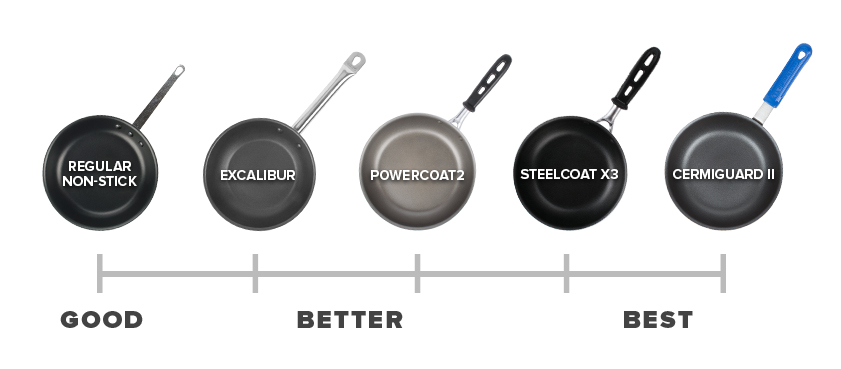
On the other hand, nonstick pans are the superheroes of easy cleanup and delicate cooking. Their magic lies in a special coating, often made of polytetrafluoroethylene (PTFE), which creates a surface that food barely adheres to. This is a game-changer for those who love to cook eggs, fish, or pancakes without the fear of them sticking and tearing apart. Imagine effortlessly flipping a delicate omelet or sliding a piece of salmon right off the pan and onto your plate – that’s the nonstick promise! This feature also means you often need less oil or butter, which can be a healthier choice for everyday cooking.
So, how do we apply this knowledge for a more enjoyable cooking experience? It’s all about choosing the right tool for the job. If you're looking for superior searing and browning capabilities, and you don't mind using a little more oil and a bit more elbow grease for cleaning, an aluminum pan might be your best bet. Many home cooks find that a good quality, heavy-gauge aluminum pan is excellent for general-purpose cooking. For those everyday meals, especially breakfasts and anything that’s prone to sticking, a nonstick pan is your culinary best friend. It simplifies cooking and dramatically reduces the stress of cleaning up afterwards.
Here are a few practical tips to make the most of your pans. With aluminum, remember that its excellent heat conductivity means you should start with medium heat and let the pan warm up gradually. Overheating can lead to uneven cooking and potentially damage the pan. For nonstick, it's crucial to avoid high heat, as this can degrade the coating over time. Always use non-metal utensils – think silicone, wood, or plastic – to protect that precious nonstick surface. And when it comes to cleaning, a gentle wash with a soft sponge and mild soap is usually all you need for both types. By understanding these differences, you can equip your kitchen with the right tools and elevate your everyday cooking to new heights of deliciousness and ease!