
Difference Between Cast Iron And Cast Steel
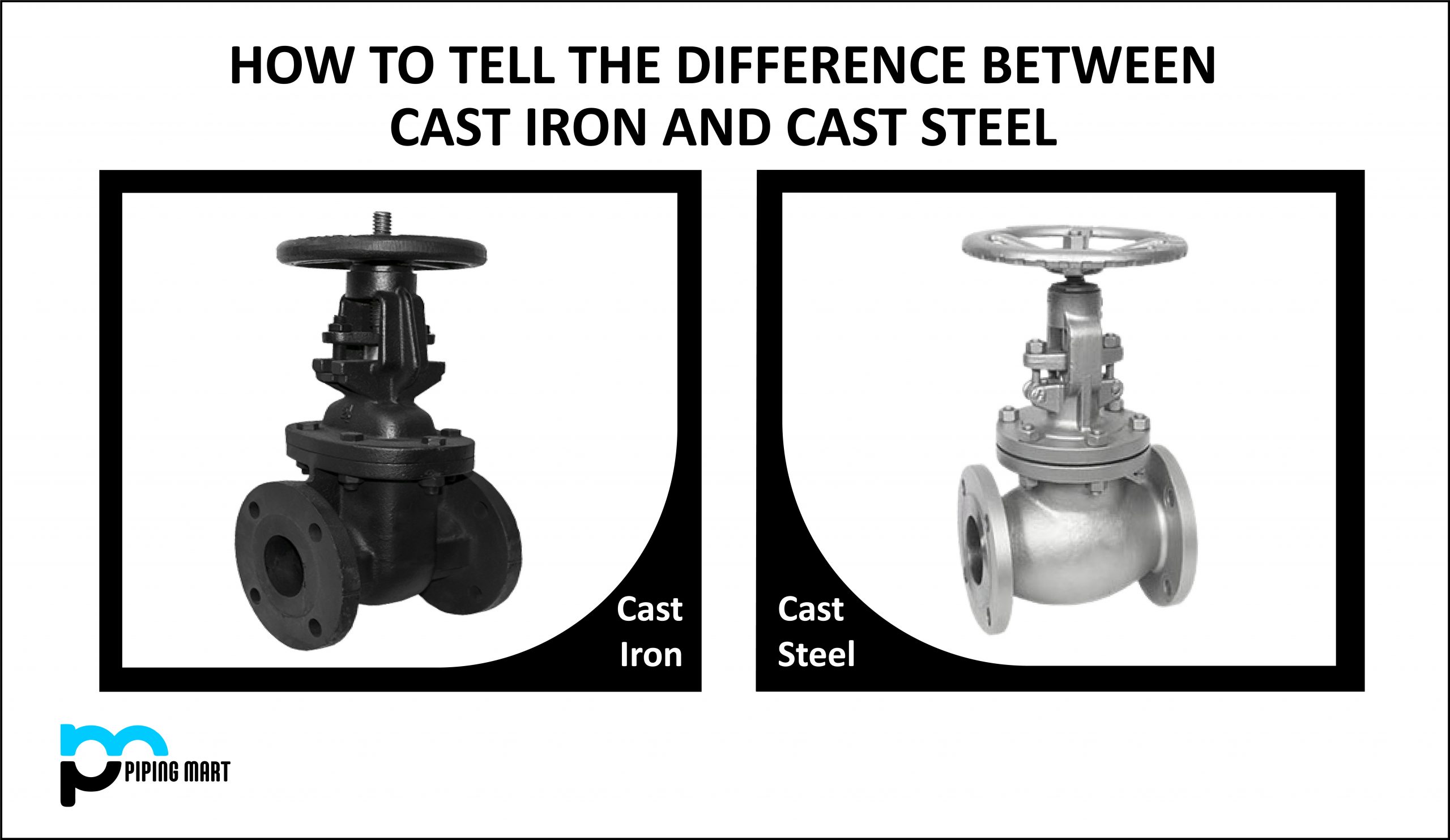
Hey there, culinary adventurers and DIY dynamos! Ever find yourself staring at a hunk of metal and wondering, "What's the deal with this stuff?" Today, we're diving headfirst into the fascinating world of cast metals, specifically the showdown between Cast Iron and Cast Steel. Think of it as a friendly wrestling match between two very capable kitchen companions and workshop warriors.
Imagine your favorite trusty skillet, the one that makes your bacon sing and your pancakes flip like a pro. Chances are, that beautiful piece of cookware is likely made from Cast Iron. It’s the heavyweight champion of the kitchen, the kind of stuff your grandma probably swore by, and for good reason! Cast Iron is basically iron with a bit of a carbon party happening – we're talking around 2% to 4% carbon, give or take. This extra carbon makes it a little bit brittle, like a fancy sugar cookie that might snap if you drop it. But oh, when it gets hot, it stays hot. It's like a cozy fireplace for your food, slowly and evenly distributing heat. This is why it's a superstar for searing steaks to perfection or for creating that divine, crispy crust on your cornbread.
Think of Cast Iron as the wise old sage of the metal world. It’s been around the block, it’s seen some things, and it knows how to do one job exceptionally well: hold and radiate heat like nobody's business. It's not about speed; it's about endurance and that golden, even glow. Plus, with a little love and a good seasoning routine, your Cast Iron pan can become an heirloom, passed down through generations, whispering tales of countless delicious meals.
Now, let's switch gears and meet its more robust cousin, Cast Steel. If Cast Iron is the wise old sage, Cast Steel is the super-fit, go-getter athlete. It's also iron, but with a much smaller carbon footprint – we're talking less than 2% carbon, and often much, much less. This difference might seem tiny, but it’s a game-changer. Less carbon means Cast Steel is tougher and more flexible. It’s less likely to crack or shatter under pressure. Think of it like the difference between a delicate porcelain vase and a sturdy toolbox.
Cast Steel is the material you'll find in situations where strength and durability are paramount. We're talking about things like heavy machinery parts, railway components, or even the sturdy frames of bridges. These are the unsung heroes working behind the scenes, taking on serious loads and enduring serious wear and tear. When a job requires something that can bend a little without breaking, or withstand a serious jolt, Cast Steel is your go-to guy.
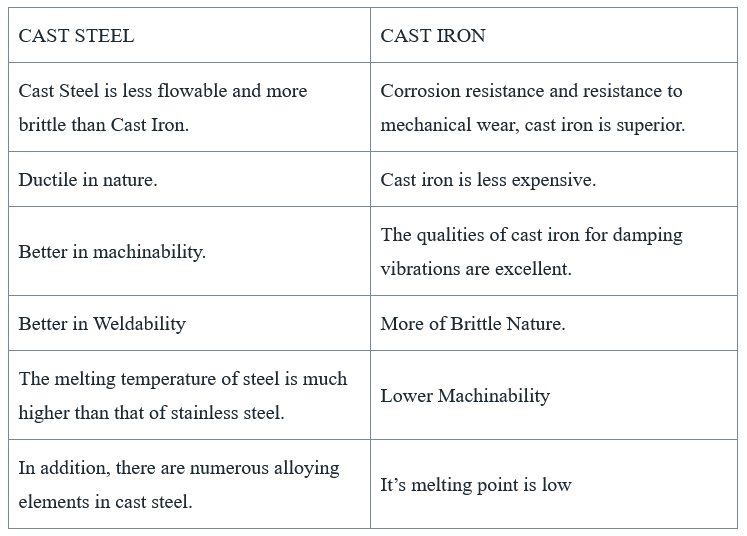
Imagine you're building a magnificent sandcastle. Cast Iron is like using damp sand that holds its shape beautifully but might crumble if you push it too hard. Cast Steel, on the other hand, is like using a mix of sand and a bit of concrete – it's incredibly strong and can withstand a playful stomp or two!
In the kitchen, you might encounter Cast Steel in applications where extreme durability is key, though it's less common for everyday cookware than its iron counterpart. It might be used for certain industrial kitchen tools or specialized equipment where its toughness is a distinct advantage. However, for that comforting, familiar feel of a heavy-duty skillet that gives you that restaurant-quality sear? That’s the magic of Cast Iron.

So, what’s the takeaway? It’s all about what you need the metal to do. If you're aiming for that slow, steady, radiant heat for culinary masterpieces and a piece of cookware that will outlive your grandchildren, you’re likely looking for Cast Iron. It’s the heart of your kitchen, bringing warmth and character to every dish. If you need something that can take a beating, bend a little, and handle immense stress without flinching, then Cast Steel is your champion. It’s the backbone of industry, the silent strength that keeps things moving.
Don't get us wrong, both are incredibly useful and have their own unique superpowers. It's not about one being "better" than the other, but rather about understanding their special talents. Cast Iron is like your favorite comfy sweater – reliable, warm, and makes everything feel a little bit better. Cast Steel is like your trusty work boots – ready for anything, tough as nails, and gets the job done, no matter what.
The next time you’re admiring a sturdy pot or a strong piece of equipment, take a moment to appreciate the metal it's made from. Is it the gentle warmth of Cast Iron, promising delicious meals for years to come? Or the unyielding resilience of Cast Steel, built to last through the toughest challenges? Either way, you're looking at a testament to human ingenuity and the incredible versatility of metal. So go forth, appreciate the metal, and maybe even whip up something amazing in your trusty Cast Iron skillet!