
Difference Between Cast Steel And Cast Iron
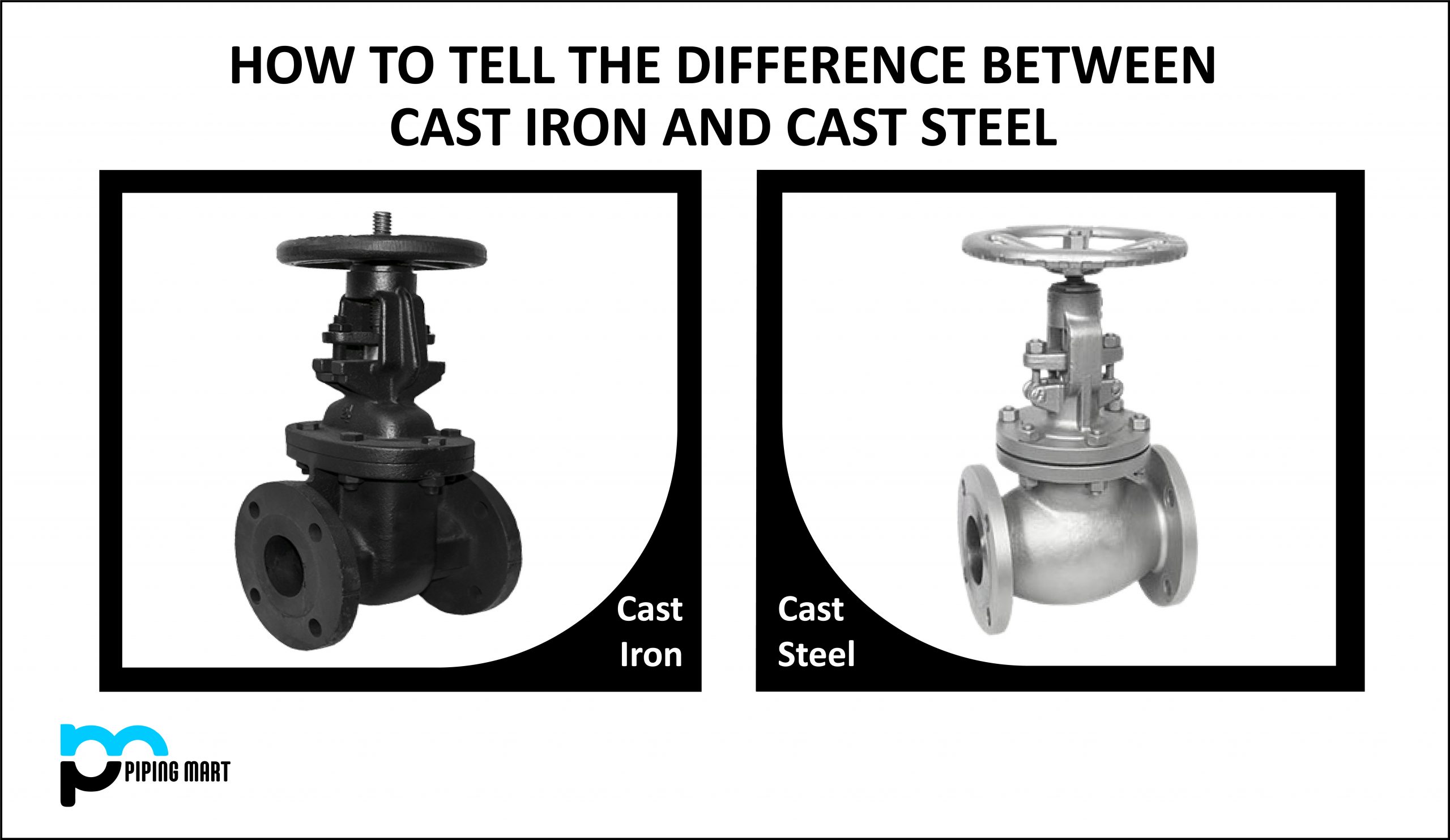
Hey there, curious minds! Ever found yourself staring at a sturdy park bench, a whimsical garden sculpture, or maybe even a hefty set of cookware, and wondered, "What's this thing made of?" Well, today, we're diving into the fascinating, and dare I say, fun, world of metal casting! Specifically, we're going to unravel the mystery behind two of the most common players in the casting game: cast iron and cast steel. Now, I know what you might be thinking – "Metal casting? Sounds… heavy." And you're not wrong! But trust me, it's also a story of incredible strength, versatility, and a touch of industrial magic that makes our everyday lives so much cooler.
So, grab your metaphorical magnifying glass, and let's get to it! Think of it like this: both cast iron and cast steel are born from the same fiery parent – iron – but they take different paths and end up with distinct personalities. It’s like comparing twins who have wildly different hobbies, you know?
The Star of the Kitchen and the Garden Gnome: Cast Iron!
Let's start with the one you're probably most familiar with, even if you didn't realize it. Yep, I'm talking about cast iron. This stuff is the workhorse of durability and has a certain cozy, nostalgic vibe about it. Think of your grandmother's beloved cast iron skillet – the one that can sear a steak to perfection and practically lasts forever. That's cast iron for you!
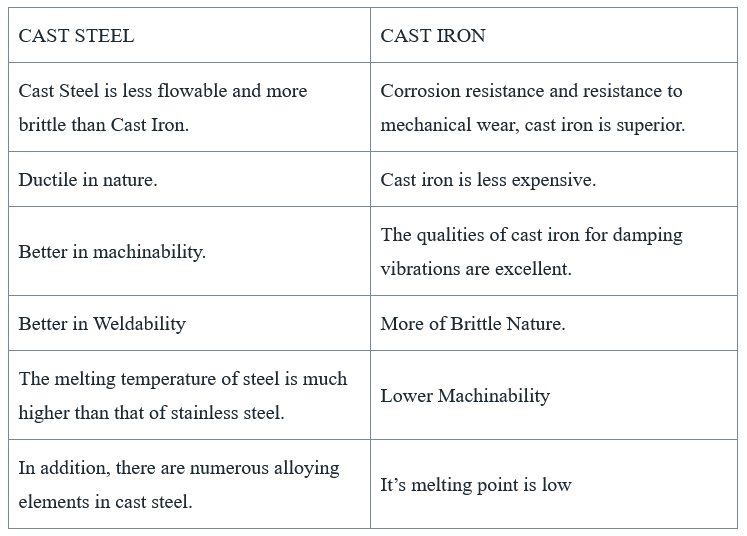
What makes cast iron so special? Well, it’s all about its carbon content. Cast iron has a lot of carbon in it, usually between 2% and 4%. This high carbon content makes it incredibly brittle, but also gives it some pretty sweet advantages. For starters, it melts at a lower temperature than steel, which makes it easier to pour into intricate molds. This is why you see so many wonderfully detailed garden gnomes, ornate fences, and, of course, those iconic cookware pieces made from cast iron. The metal flows like a dream!
And let's talk about heat retention. Oh, boy, does cast iron hold onto heat! This is why it's the undisputed champion of searing. It gets nice and hot, stays that way, and gives you that beautiful, even crust on your food. Plus, a well-seasoned cast iron pan develops a natural non-stick surface that only gets better with age. It’s practically a family heirloom in the making!

But here's the flip side of that high carbon: it's not the most forgiving. Drop a cast iron pot on a hard floor, and you might be left with a rather dramatic (and expensive!) mess. It can crack if subjected to sudden temperature changes, too. So, while it's tough, it does require a bit of tender loving care. Think of it as a wise old friend – strong and dependable, but with a few quirks you learn to appreciate!
The Mighty and the Versatile: Cast Steel!
Now, let's pivot to its cousin, cast steel. If cast iron is the dependable, cozy grandparent, then cast steel is the athletic, adventurous sibling. This material is all about strength and toughness. What's the secret sauce? You guessed it – a lower carbon content. Cast steel typically has less than 2% carbon, and often even less than 1%.
This reduction in carbon has a huge impact. It makes cast steel much more ductile and malleable. What does that mean for us? It means it can be bent and shaped without breaking easily. Imagine a sturdy bridge support or the hull of a ship – these are jobs where you need something that can withstand incredible forces and flex a little under pressure. That’s where cast steel shines!
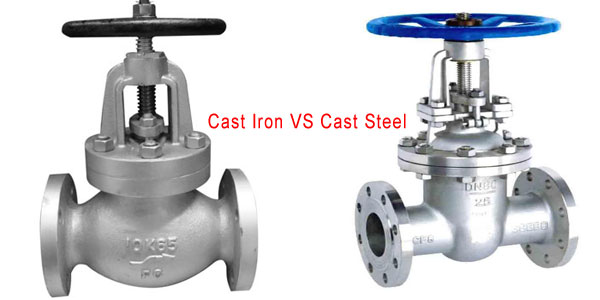
Because it's less brittle than cast iron, cast steel is much better at absorbing shocks and impacts. It can handle those sudden jolts and stresses that would send cast iron into a million pieces. This makes it ideal for a whole range of applications where performance and resilience are paramount. Think about the heavy machinery that builds our cities, the components in automobiles that keep us safe, or even the durable tools we rely on every day. All of these often owe their strength to cast steel.
The casting process for steel can be a bit more demanding due to its higher melting point. It requires hotter furnaces and more careful handling. But the reward is a material that offers exceptional mechanical properties. It’s the material you want when you need something that’s not just strong, but also incredibly reliable and able to take a beating.

So, What's the Big Deal? How Does This Make Life Fun?
You might be asking, "Okay, I get the technical stuff, but how does this make my life fun?" Ah, my friend, it's all around you! Think about the joy of cooking a delicious meal in that perfectly seasoned cast iron skillet. The way it evenly cooks your food and develops that incredible crust is a culinary adventure in itself! The satisfying weight of it in your hands feels like you’re wielding a piece of culinary history.
Or consider the beauty of a cast iron garden bench where you can sit and contemplate the world, perhaps with a cup of tea in your favorite mug (which might even be cast iron!). The intricate details cast into it add a touch of artistry to your outdoor space. It’s about appreciating the craftsmanship that goes into the things we use and admire every day.
And cast steel? It's the silent hero of our modern world. That sturdy playground structure your kids are climbing on? Likely cast steel. The powerful engine in the car that takes you on road trips? Packed with cast steel components. It's the unsung material that allows for so much of the convenience and adventure we enjoy. It’s the foundation upon which so many of our exciting experiences are built!
Understanding the difference between cast iron and cast steel isn't just about knowing some metallurgy; it's about appreciating the incredible ingenuity of humans who have harnessed the power of molten metal to create objects that shape our lives. It's about recognizing the materials that give us strength, beauty, and functionality.
The Takeaway: Embrace Your Inner Metallurgist (Even a Little Bit!)
So, the next time you encounter a sturdy object, take a moment to appreciate its material. Is it the rustic charm and heat-holding prowess of cast iron? Or the robust strength and resilience of cast steel? Either way, you're looking at a testament to human innovation and craftsmanship.
Don't be shy to learn a little more! Dive into the world of materials science, explore how things are made, or even try cooking with cast iron if you haven't already. Who knows what fascinating discoveries await you? Every piece of metal, from a humble frying pan to a mighty bridge, has a story to tell. And understanding a little bit about their origins can add a whole new layer of wonder and appreciation to your everyday life. Keep exploring, keep learning, and keep finding the fun in the fundamental!