
Difference Between Death Metal And Deathcore
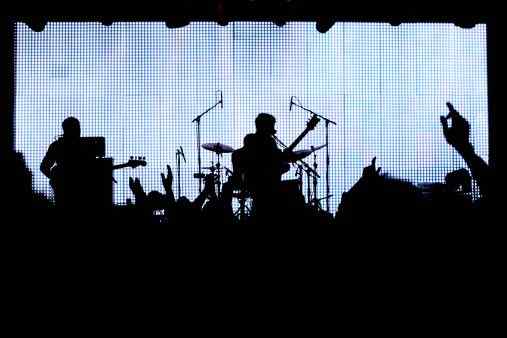
Alright, gather ‘round, you lovely creatures of the internet, and let your ears prepare for a sonic journey that’s less about fluffy kittens and more about, well, the sonic equivalent of a dumpster fire during a hurricane. We’re diving deep into the wonderfully twisted world of extreme metal, specifically the difference between Death Metal and Deathcore. Now, before you start picturing me with spikes for hair and a questionable wardrobe (which, to be fair, is sometimes true on a Tuesday), let me assure you, this is going to be fun. Think of it like explaining the difference between a meticulously crafted artisanal cheese and a questionable gas station hot dog that’s been sitting out a little too long. Both have their place, but you definitely know what you’re getting into with each.
So, imagine this: You’re at a café, sipping on your latte, trying to look all sophisticated, and suddenly someone asks, “So, what’s the big deal with Death Metal and Deathcore anyway?” You could feign ignorance, but then you’d be missing out on a prime opportunity to wow them with your obscure knowledge. Or, you could tell them what I’m about to tell you, with a bit more… enthusiasm.
The Granddaddy of Growls: Death Metal
Let’s start with the OG, the grandaddy of all things guttural and grim: Death Metal. This beast emerged from the ashes of thrash metal, like a phoenix, but instead of rising with beautiful feathers, it rose with, like, shredded wings and a deep, guttural scream. Think of bands like Death (duh!), Cannibal Corpse, and Morbid Angel. These guys were pioneers, forging a sound that was intentionally brutal, fast, and… well, death-y. The lyrics? Oh, they’re usually about death, gore, horror, and pretty much anything that would make your grandma clutch her pearls.
Musically, death metal is characterized by its blisteringly fast tempos, complex song structures (sometimes so complex you’ll wonder if the drummer is actually playing three songs at once), and those signature low-pitched, guttural vocals that sound like a demon gargling gravel. Guitars? They’re usually playing these super distorted, often dissonant riffs that make your teeth vibrate. And the drumming? It’s a relentless barrage of blast beats, which, if you’re not familiar, is basically a drummer doing the rhythmic equivalent of a caffeine-fueled twitch.
A fun, albeit slightly morbid, fact: The term "blast beat" is pretty self-explanatory. It's a drum technique that involves rapid-fire double bass drumming and snare hits, designed to create an overwhelming sense of chaos and intensity. It’s like the drum solo equivalent of being chased by a horde of zombies. Surprising, right?

The aesthetic of death metal is also pretty distinct. Think album covers that look like they were drawn by a serial killer with a penchant for anatomical diagrams. Lots of skeletons, zombies, intestines… you get the picture. It’s not for the faint of heart, but it’s got this raw, primal energy that’s undeniably captivating for its fans.
The Modern Monster: Deathcore
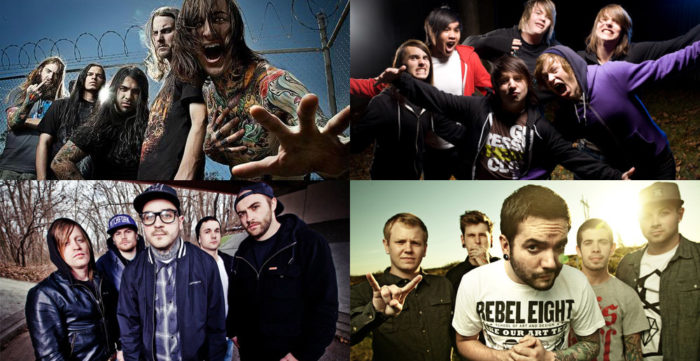
Now, let’s talk about the younger, perhaps slightly more… extroverted cousin: Deathcore. If death metal is the old-school horror flick, deathcore is the modern slasher film with jump scares and gratuitous gore. It took the intensity of death metal and mashed it up with the aggression of hardcore punk and, sometimes, even a dash of nu-metal. Bands like Suicide Silence, Whitechapel, and Carnifex are your go-to examples here.
What sets deathcore apart? Well, for starters, it often incorporates breakdowns. These are those sections where the music slows down to a crawl, often featuring palm-muted, chugging guitar riffs and heavy, syncopated drum hits. It’s the musical equivalent of a wrestling move – slow, deliberate, and meant to absolutely crush you. And then, just when you think you can catch your breath, BAM! It kicks back into hyper-speed.
Vocally, deathcore often features a mix of guttural growls (similar to death metal) and high-pitched shrieks, often in the same song. It's like having two demons fighting over who gets to possess you. The guitar work can also be a bit different. While still heavy, it might lean more towards simpler, more chuggy riffs, sometimes with a focus on a more… infectious groove, if you can call it that. And the drums? Still plenty of blast beats, but often more emphasis on those punishing breakdown rhythms.

A truly mind-boggling fact: Some deathcore vocalists train their voices using techniques that are surprisingly similar to opera singers, just… you know, with way more agony involved. They're not just screaming; they're expertly screaming. Who knew vocal cords could endure such a symphony of suffering?
The aesthetic of deathcore is a bit more modern. You might see more tattoos, piercings, and a general sense of urban decay in their imagery. It’s still dark and aggressive, but with a slightly more contemporary edge.

So, What’s the Verdict?
Think of it this way: Death metal is like a deeply philosophical essay about the futility of existence, written in blood and delivered at breakneck speed. Deathcore is like a violent existential crisis expressed through interpretive dance and a mosh pit. Both will leave you feeling… something. Probably a headache, but also a weird sense of exhilaration.
Death metal is the foundational stone, the raw, unadulterated aggression. Deathcore is the evolution, the fusion, the genre that decided, "You know what? Let's add some breakdowns and maybe some gang vocals to this whole 'sounding like a dying beast' thing."
Ultimately, the lines can get blurry, and there's a lot of overlap. Some bands defy easy categorization. But if you listen closely, you can usually hear the core elements that define each. So, next time you’re at that café, looking all worldly and wise, you can confidently explain that death metal is the grim progenitor, and deathcore is its chaotic, breakdown-loving offspring. And if they don’t get it? Well, just offer them a sip of your latte and tell them to try listening to some guttural vocals. It’s an acquired taste, much like extremely strong coffee or the existential dread of a Monday morning.