
Difference Between Dobhoff And Ng Tube
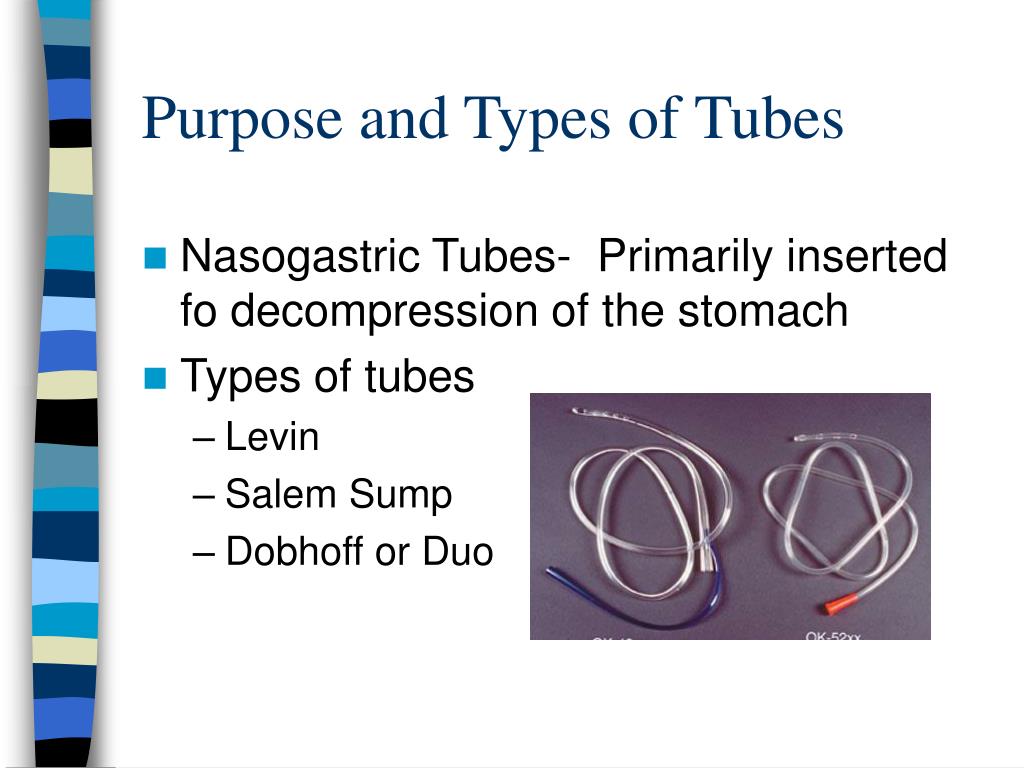
We've all had those moments where we need a little extra help getting things done, right? Maybe it's a particularly tricky DIY project, or perhaps a complex recipe that requires a specific tool. Well, in the world of healthcare, there are some specialized tools that play a surprisingly vital role in helping people navigate challenging situations, and two of them are the Dobhoff tube and the NG tube. Now, before you start picturing anything too alarming, think of them more like unsung heroes in the realm of patient care, enabling nourishment and other essential functions when the body needs a little support.
So, what exactly are these tubes and why are they important? Simply put, both the Dobhoff tube and the NG tube are types of feeding tubes. Their primary purpose is to deliver nutrition, medication, or to remove air or fluid from the digestive system. This is incredibly important for individuals who, for various reasons, are unable to eat or drink by mouth. Think about someone recovering from surgery, or those with certain medical conditions that affect swallowing. In these cases, these tubes become a lifeline, ensuring the body receives the necessary nutrients to heal and function. They are also instrumental in managing conditions like gastroparesis or in providing a way to decompress the stomach after certain procedures.
You might be wondering about the common examples of how these tubes are used. Well, you'll often see them in hospitals, rehabilitation centers, and even in home healthcare settings. Patients recovering from strokes, those with severe illnesses, or even premature babies might benefit from these tubes. They allow healthcare professionals to carefully administer specialized liquid diets, medications, and fluids directly into the stomach or small intestine, bypassing the need for oral intake. It’s a way to provide consistent and controlled support, which is absolutely crucial for recovery and well-being.
Now, while the terms "Dobhoff" and "NG tube" might sound similar, there's a key difference that’s worth understanding. An NG tube, which stands for nasogastric tube, is inserted through the nose and goes down into the stomach. It's generally a bit thicker and shorter. A Dobhoff tube, on the other hand, is a type of nasoenteric tube. The "enteral" part means it goes into the intestine, specifically the small intestine. These tubes are typically much slimmer and longer than NG tubes, and they are designed for a more comfortable and less irritating experience for longer-term use. The reason for this distinction is that sometimes, a tube that sits in the stomach might cause discomfort or not be suitable for certain conditions. Sending it further down into the intestine can be a more effective and gentler solution.
To make the experience as positive as possible for those who require these tubes, there are several practical considerations. For patients, understanding the purpose of their tube and how it works can alleviate anxiety. Open communication with healthcare providers is key to ensuring the tube is functioning correctly and comfortably. For caregivers, learning the proper procedures for administration and care is paramount. Things like ensuring the head of the bed is elevated during feeding can help prevent complications. It's also important to remember that while these tubes are medical devices, they are designed to facilitate well-being and recovery. With the right care and understanding, they can be a truly beneficial tool in a person's journey back to health.