
Difference Between Graphite And Steel Shaft
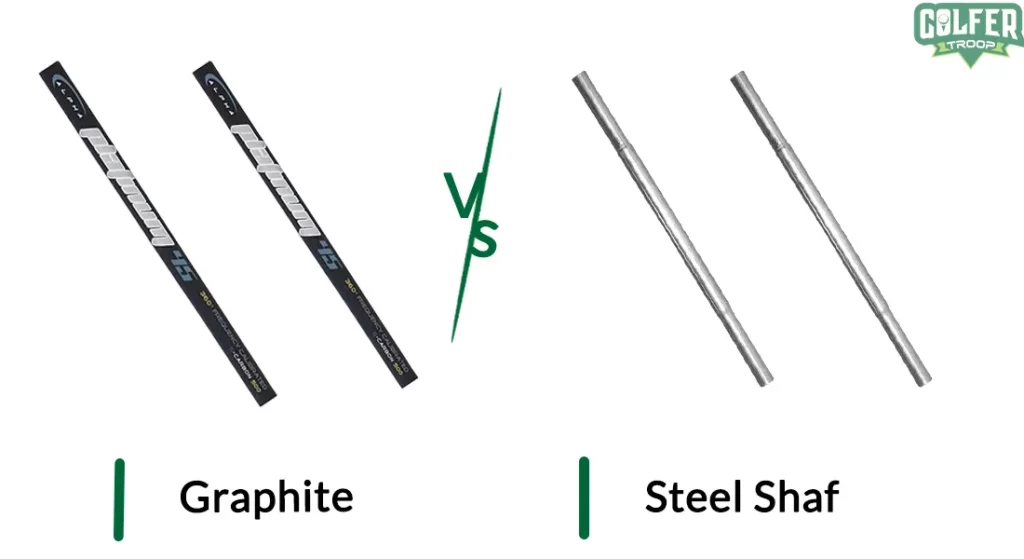
Ever looked at a golf club, a tennis racket, or even some fancy kitchen knives and wondered what makes them feel… well, different? It’s not just the brand name or the shiny paint job. A huge part of that feel, that power, and even how forgiving something is, comes down to what the shaft is made of. Today, we're going to chat about two of the most common shaft materials: graphite and steel. Think of it like choosing between a trusty old bicycle and a sleek, speedy racing bike. Both get you places, but they feel worlds apart, right?
Let’s start with steel. For ages, steel shafts were the undisputed kings. They’re the reliable workhorses, the dependable friends. Imagine your favorite, well-worn pair of jeans. They’re tough, they last forever, and you know exactly what you’re getting. That’s steel for you.
Steel shafts are generally heavier than their graphite cousins. This extra weight can be a good thing! For golfers, for instance, that heft can help them maintain a more consistent swing. It’s like holding a sturdy, comfortable steering wheel – you feel grounded. Think of it as the steady hand in a world of fast-paced changes.
A really cool thing about steel is its feedback. This means when you hit the ball (or whatever you’re using the equipment for), you get a very clear sense of what happened. Was it a solid hit? A bit off-center? Steel tells you! It’s like having a little narrator in your hands, whispering, “Yep, that was perfect!” or “Hmm, maybe try that again.” This kind of information is super valuable for learning and improving. It’s like when your grandma tells you exactly how to bake her famous cookies – you get the precise instructions!
Steel is also incredibly durable. These things are built to last. You could probably hand down a steel shafted golf club to your grandkids, and it would still be perfectly functional. They’re tough cookies, resilient to nicks and dings that might bother a lighter material. Think of a cast-iron skillet; it’s a bit of an investment upfront, but it’ll cook your breakfast for decades.
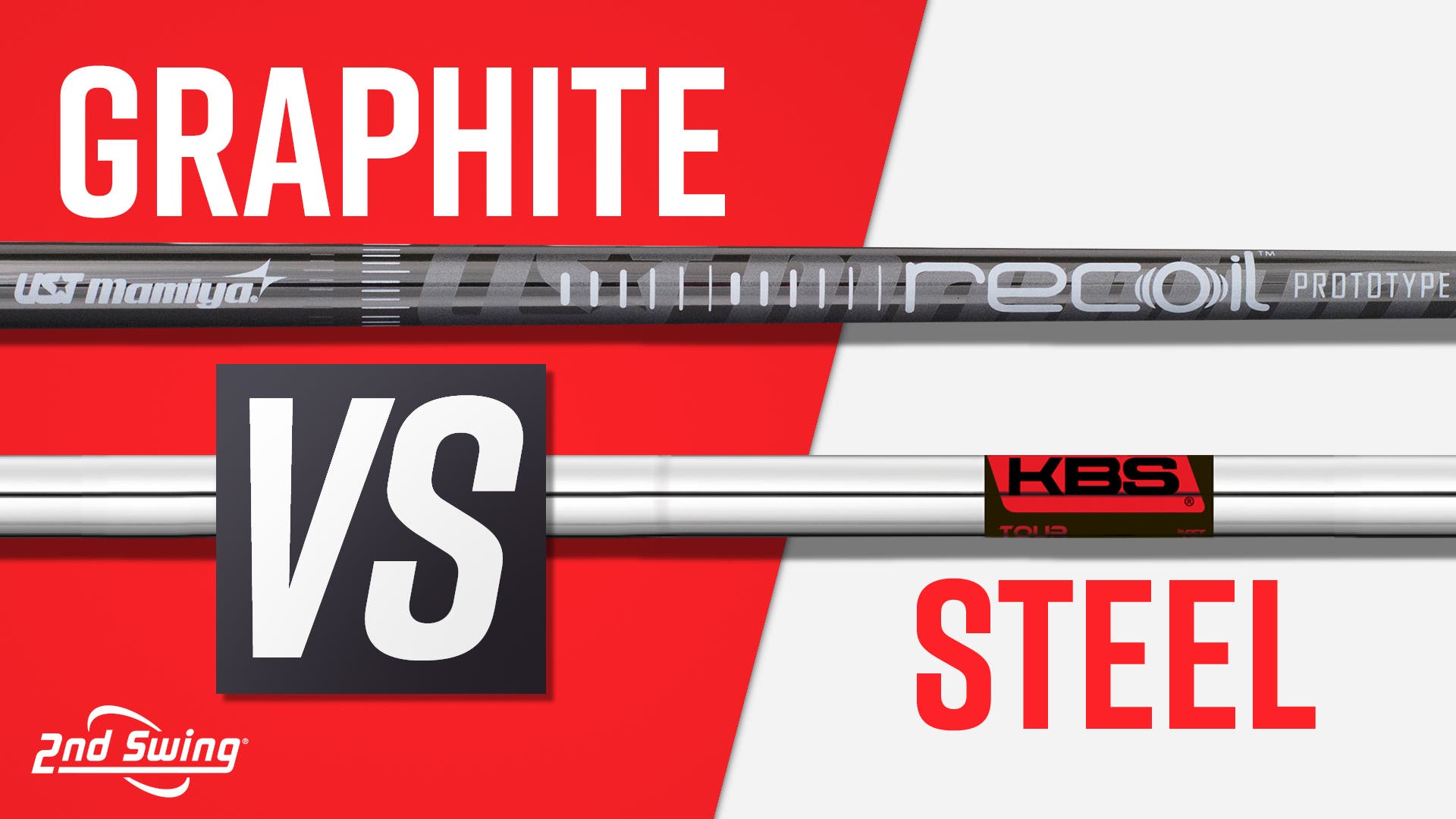
Now, let’s swing over to graphite. Graphite shafts are the newer kids on the block, and they’ve really revolutionized things. Imagine switching from that trusty pair of jeans to a pair of super lightweight, breathable athletic pants. Suddenly, everything feels easier, faster, and more dynamic.
The biggest and most obvious difference is weight. Graphite is significantly lighter than steel. This is a game-changer for many activities. For golfers, this lightness can translate to a faster swing speed. And what does a faster swing speed mean? You guessed it – more power and potentially longer shots! It’s like strapping rockets onto your golf clubs (though please don’t do that). Think of it as getting that extra boost when you need it most, like when you’re trying to sprint to catch a bus.

Because graphite is lighter, it can also be engineered to flex in specific ways. This flexibility can be a huge advantage. For some, it makes the swing feel smoother and more forgiving. If you don’t hit the ball perfectly square every single time (and let’s be honest, who does?), a graphite shaft can help reduce the impact of mishits. It’s like a little buffer, absorbing some of the shock and helping to keep your shot on track. Imagine trying to balance a stack of plates – a bit of wobble is okay with graphite, but with steel, a slight wobble might send the whole thing tumbling!
Graphite also offers a lot of customization possibilities. Manufacturers can tweak the material and construction to create shafts with different stiffness levels, kick points (where the shaft bends most), and torque (how much it twists). This means you can find a graphite shaft that’s almost perfectly tailored to your swing and your goals. It’s like ordering a custom-made suit versus buying one off the rack; the custom one just fits you so much better.
So, why should you, an everyday person who might not even play golf, care about this? Well, the principles behind graphite and steel shafts apply to so many things we use. Think about your kitchen knives. A heavier steel knife might feel more substantial and powerful for chopping through tough vegetables, like a robust chef's knife. A lighter, more flexible graphite-like material might be used for a delicate paring knife, offering precision and ease of use for intricate tasks.

Or consider your fishing rod. A heavier, stiffer steel-like rod might be perfect for reeling in a big, powerful fish, giving you the leverage you need. A lighter, more flexible graphite rod would be ideal for casting small lures or for lighter game fish, offering sensitivity and the ability to feel even the slightest nibble.
Even in things like bicycle frames, you see this difference. A steel frame is often lauded for its smooth ride and durability, absorbing bumps on the road like a gentle wave. A lighter carbon fiber (which is very similar to graphite) frame prioritizes speed and agility, making the bike feel nimble and responsive, like it’s floating on air.
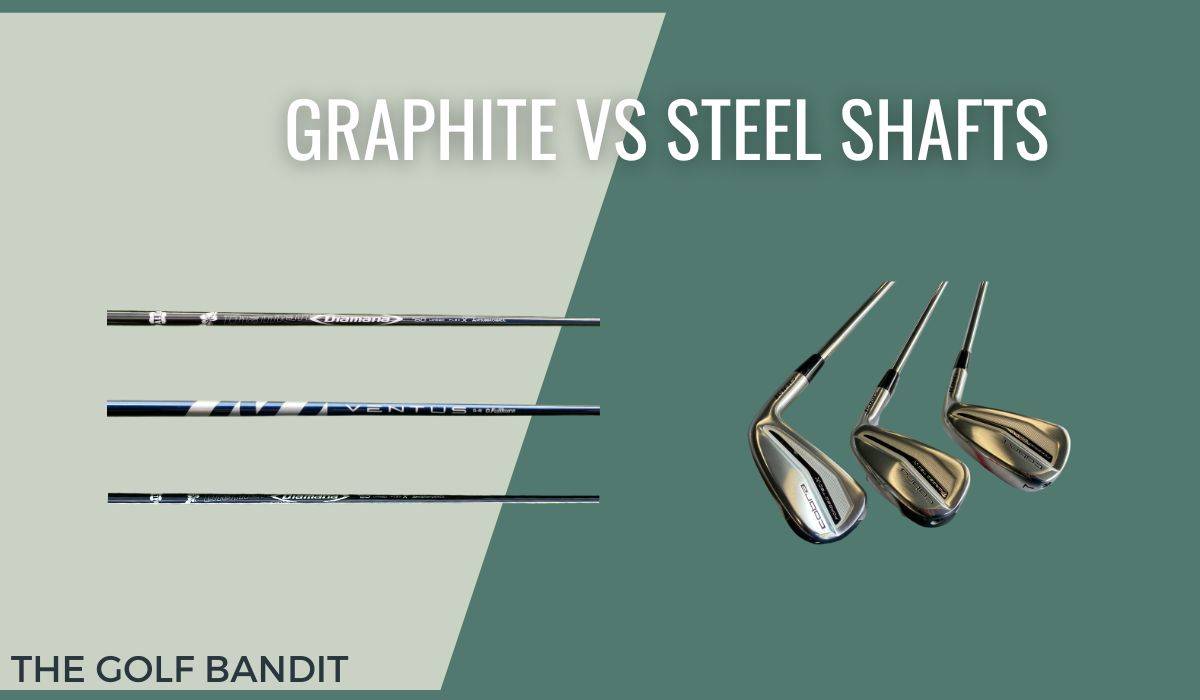
The core takeaway is that material choice matters. It directly impacts how an object performs, how it feels in your hands, and ultimately, how enjoyable it is to use. Steel offers reliability, durability, and a clear sense of feedback. It’s the dependable friend you can always count on.
Graphite offers lightness, speed, forgiveness, and incredible customization. It’s the energetic athlete, always pushing boundaries and making things feel a little bit easier and a lot more exciting.
So, the next time you pick up a piece of equipment – whether it’s for sport, for a hobby, or even just a tool in your house – take a moment to consider what it’s made of. That humble shaft, whether it’s forged from sturdy steel or crafted from innovative graphite, is doing a lot of the heavy lifting (or light lifting!) to make your experience the best it can be. It’s a little bit of science, a lot of engineering, and a whole lot of fun!