
Difference Between Iron And Steel
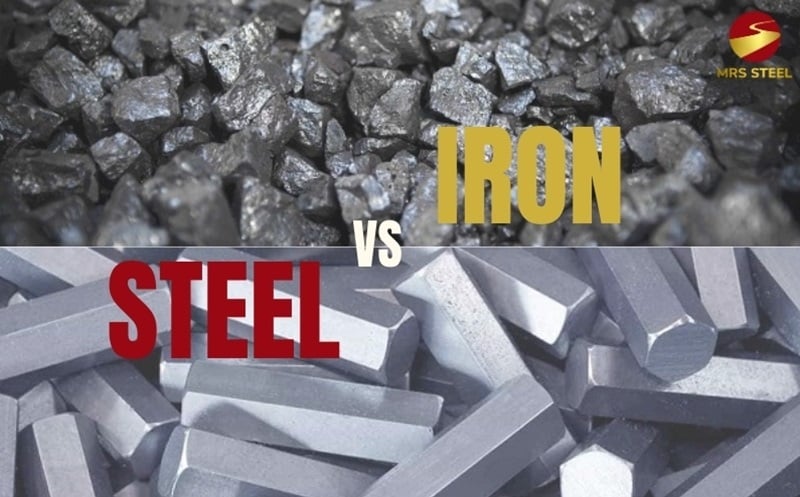
Ever stared at your trusty frying pan, the one that’s seen more omelets than your grandma’s seen birthdays, and wondered, "Is this… iron? Or steel?" It’s a question that pops up more often than you'd think, especially when you’re trying to figure out why one pan sticks more than the other, or why that old garden shovel feels like it could conquer the world while the new one bends if you look at it funny.
Think of it like this: Iron is the grumpy old uncle at the family reunion. He’s been around forever, he’s strong, maybe a little brittle, and doesn't always play well with others. Steel, on the other hand, is the younger, more adventurous cousin. He’s still strong, but he’s got a bit more… pizzazz. He’s tougher, more flexible, and definitely shows up for the party.
So, what’s the big deal? It all comes down to a tiny, almost invisible ingredient: carbon. Yep, that stuff you find in your BBQ charcoal or that might be lingering in the bottom of your coffee mug. When you add a little bit of carbon to iron, it transforms it into something pretty special: steel.
Imagine iron as plain old flour. It’s a basic building block, useful on its own, but not exactly exciting. Now, add a pinch of baking soda and a splash of milk, and you’ve got yourself a batter! That’s kind of what carbon does to iron. It changes its properties, making it stronger and more versatile.
Iron: The Original Tough Guy
Let’s talk about cast iron first. This is the stuff your grandma probably swore by for her legendary cornbread or that perfectly seared steak. Cast iron is mostly just… iron. It’s got about 2% to 4% carbon in it, which is quite a bit. This high carbon content makes it super strong, but also a bit… dramatic.
When cast iron gets hot, it stays hot. Like, ‘forget-about-it-for-an-hour’ hot. This is why it’s fantastic for searing meats. You get that beautiful, crusty exterior because the pan holds onto the heat and transfers it evenly. It's like the ultimate hug for your food.
But here’s where the grumpy uncle comes in. Because it has so much carbon, cast iron can be a bit brittle. You know how sometimes a really old, heavy glass might crack if you drop it on the floor? Cast iron can be like that. If you drop a cast iron skillet, you might have a new art installation on your kitchen floor. So, handle with care is the motto.
Also, cast iron can be a bit of a diva when it comes to rust. It’s like that one friend who gets a hangnail and needs a full spa treatment. You have to season it regularly, which means coating it with oil and heating it up. This creates a natural non-stick surface and protects it from moisture. It’s a bit of a commitment, but oh boy, is it worth it when you taste that perfectly cooked food.
Think about those old, heavy skillets you see in antique shops. They’ve probably been around longer than some of us have been alive, and they’re still cooking! That’s the enduring power of good old-fashioned iron.
Cast Iron in Action (and Sometimes, Inaction)
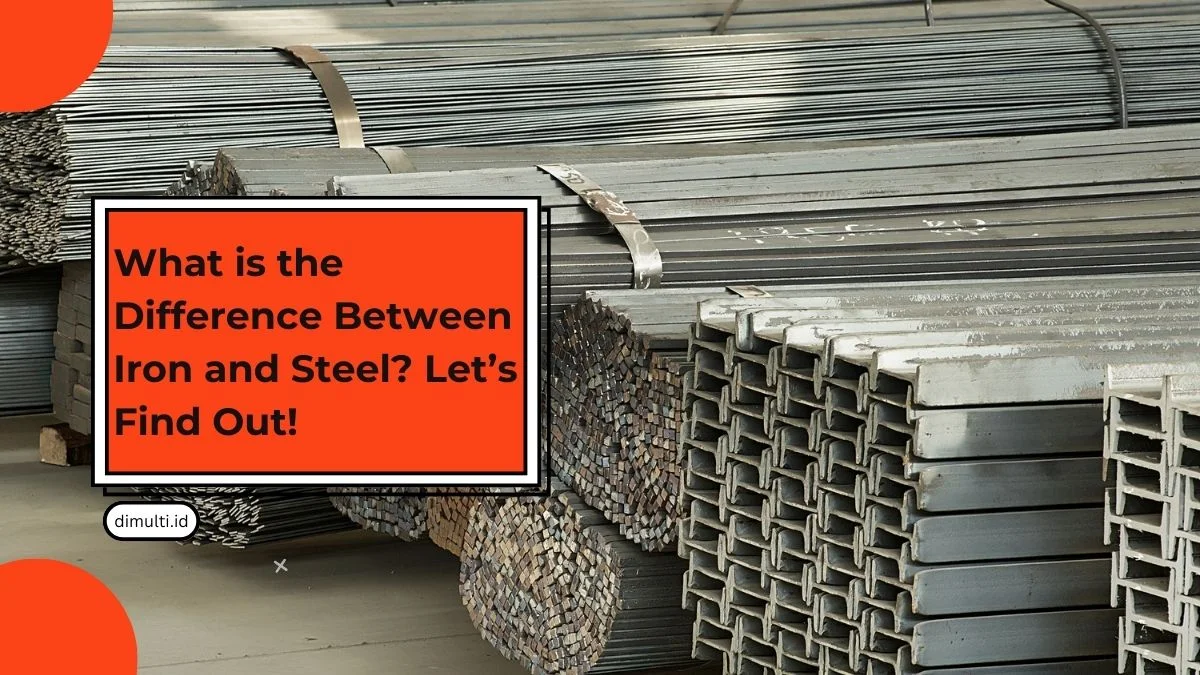
Remember the time you tried to lift that massive cast iron pot full of stew? It felt like you were trying to move a small boulder, right? That’s the density of iron for you. It’s not exactly portable. You definitely wouldn’t take your cast iron pan on a camping trip unless you had a Sherpa.
And the cleaning! Oh, the cleaning. No dishwashers for this guy. You have to be gentle. Scrub it too hard with steel wool, and you might as well throw it away. It’s a whole ritual, a little ceremony of love and respect for your pan. Some people find it a bit of a hassle, a bit too much ‘work’. Others, like me, find it oddly therapeutic. It’s a moment of quiet in a busy day, focusing on something tangible and ancient.
But then you make that fluffy pancake, or that perfectly golden-brown chicken, and you remember why you went through all the trouble. It’s that deep, satisfying sizzle, that incredible crust, that’s the magic of cast iron.
Steel: The Modern Marvel
Now, let’s talk about steel. Steel is iron’s more sophisticated sibling. It’s iron that has had its carbon content carefully controlled, usually between 0.2% and 2.1%. This smaller, more precise amount of carbon makes a world of difference.
Steel is generally stronger and more durable than cast iron. It’s less brittle, meaning it’s less likely to crack or shatter if you, you know, accidentally drop it. (We’ve all been there, right? Trying to carry too many things at once and… oops!)
Think about the construction of bridges, skyscrapers, or even your car. They all rely on steel. It can be bent, shaped, and welded into all sorts of forms without losing its structural integrity. It’s the workhorse of the modern world.
In the kitchen, you’ll often find stainless steel. This is steel with added chromium and nickel. The chromium is the superhero here, forming a protective layer that makes the steel incredibly resistant to rust and corrosion. This is why your stainless steel pots and pans are so easy to clean and maintain. They’re like the low-maintenance friend who’s always ready for an adventure.
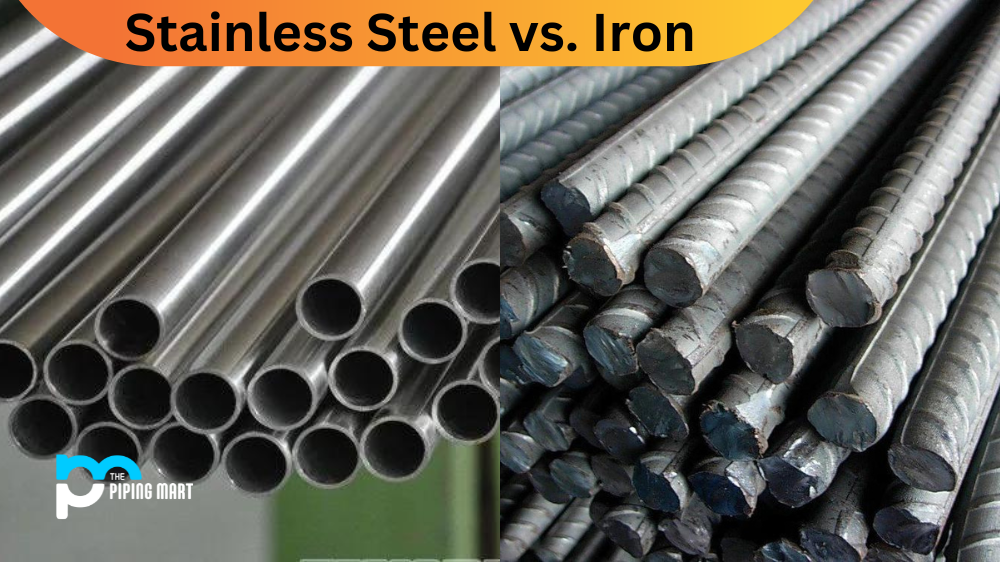
Stainless steel cookware is lighter than cast iron, heats up faster, and cools down quicker. It’s more responsive to temperature changes. If you’re someone who likes to have precise control over your cooking, stainless steel is your best friend. You can easily adjust the heat, and it won’t hold onto it stubbornly like cast iron.
Steel in Everyday Life: The Unsung Hero
Where do you see steel? Everywhere! Look around you. The cutlery on your table? Steel. The frame of your bicycle? Steel. The nails holding your house together? Steel. It’s so common that we often forget it’s there, doing its job reliably and without fuss.
Imagine trying to build a fence with only cast iron. You’d be stuck! Steel’s flexibility and strength allow it to be shaped into wires, beams, and sheets, making it perfect for construction and manufacturing. It’s the backbone of so many things we take for granted.
And in the kitchen, stainless steel pans are often the go-to for many home cooks. They’re oven-safe, dishwasher-safe (though handwashing is often recommended for longevity), and they don’t demand the same level of upkeep as cast iron. You can sauté, simmer, and boil without worrying too much about scratching or rusting. It’s the reliable, everyday workhorse of your kitchen.
Think about those sharp knives in your kitchen. They’re usually made of high-carbon stainless steel. This gives them the hardness to hold a sharp edge, but also the toughness to resist chipping. It’s a brilliant combination that makes chopping onions a little less of a chore.
The Key Differences in a Nutshell
So, to recap, let’s break it down like we’re ordering coffee:

Carbon Content: The Secret Sauce
Iron (specifically cast iron) generally has a higher carbon content (2-4%). This makes it strong but brittle.
Steel has a lower, more controlled carbon content (0.2-2.1%). This makes it stronger, more ductile, and less brittle.
Strength and Brittleness: The Personality Clash
Iron is strong but brittle. Think of a really old, heavy ceramic mug that might shatter if you drop it. It’s tough, but not forgiving.
Steel is strong and tough. It’s more flexible and can withstand more impact before breaking. Imagine a sturdy plastic container – it might get scratched, but it’s unlikely to shatter.
Rust Resistance: The Maintenance Factor
Iron is prone to rusting. It needs to be seasoned and maintained carefully to prevent this. It’s like that friend who needs constant reminders to water their plants.
Stainless steel (a type of steel) is highly resistant to rust due to added chromium. It’s the friend who never forgets their own birthday and is always prepared.
Heat Properties: The Cooking Styles
Iron retains heat exceptionally well and heats up slowly. It’s great for even, sustained heat cooking, like searing.
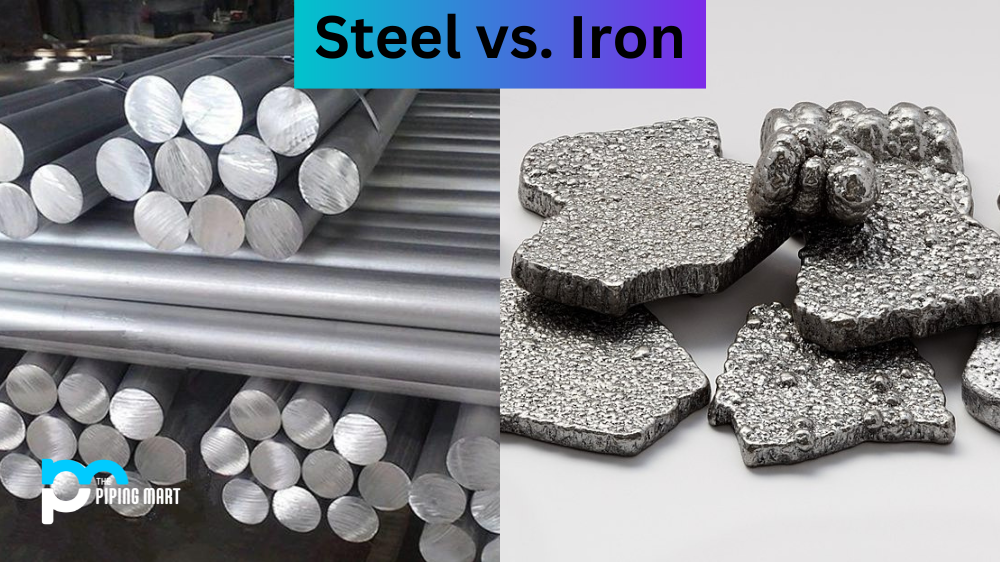
Steel heats up and cools down more quickly, offering more control. It’s versatile for a wide range of cooking methods.
Weight and Durability: The Practicalities
Iron is typically heavier and can be more difficult to handle.
Steel is generally lighter and more malleable, making it suitable for a wider variety of applications.
Which One is Right for You?
This is the million-dollar question, right? It’s like choosing between a classic, comfy armchair and a sleek, modern sofa. Both are great, but they serve different purposes and appeal to different tastes.
If you’re a bit of a culinary traditionalist, someone who enjoys the ritual of cooking, and you appreciate the deep, even heat that casts a spell on your food, then cast iron is your jam. You’re willing to put in a little extra effort for that unmatched flavor and texture. You understand that some of the best things in life require a bit of care and attention.
On the other hand, if you’re looking for something more low-maintenance, versatile, and a little more forgiving, then steel, especially stainless steel, is probably your go-to. You want a workhorse that can handle your busy lifestyle without demanding too much. You appreciate efficiency and reliability.
Ultimately, both iron and steel are incredible materials that have shaped our world, from the tools we use to the food we eat. They’re both strong, they’re both useful, and they both have their own unique charm. So, the next time you’re admiring your frying pan or a sturdy piece of furniture, you’ll know the subtle difference between the grumpy old uncle and the adventurous cousin, and appreciate them both for what they bring to the table (or the kitchen, or the skyline!).