
Difference Between Metal And Wood Drill Bit

Hey there, fellow DIYers and curious minds! Ever found yourself staring at a toolbox, ready to tackle a project, and then BAM – you’re faced with a whole bunch of drill bits? And not just any drill bits, but the ones that look a little…different. Some are shiny and silver, others are a bit darker and maybe a bit more… rugged looking. Yeah, we’re talking about the difference between those metal and wood drill bits. It might seem like a tiny detail, right? Like, “Can’t one just drill through anything?” Well, not exactly! And honestly, understanding this little difference is kinda cool. It’s like knowing why a butter knife is great for spreading but not for cutting steak. Different tools for different jobs!
So, let's dive into this without getting all technical and boring. Think of your drill bit as a tiny, super-focused drill sergeant. Its job is to make a hole, and it needs to be perfectly equipped for the mission. And just like our drill sergeant wouldn't send a feather duster to fight a dragon, you wouldn't want to send the wrong drill bit into a piece of wood or metal.
The Usual Suspects: Metal Drill Bits
Alright, let's start with the ones you probably see most often if you’ve ever done anything with metal. These are your classic, shiny, and often hollow-sounding drill bits. What’s their deal? Well, they’re usually made from hardened steel, or even better, things like high-speed steel (HSS). Think of HSS as the superhero version of steel – it's tough, it can handle a lot of heat without getting all wobbly, and it can cut through metals like butter (well, maybe not exactly like butter, but you get the idea!).
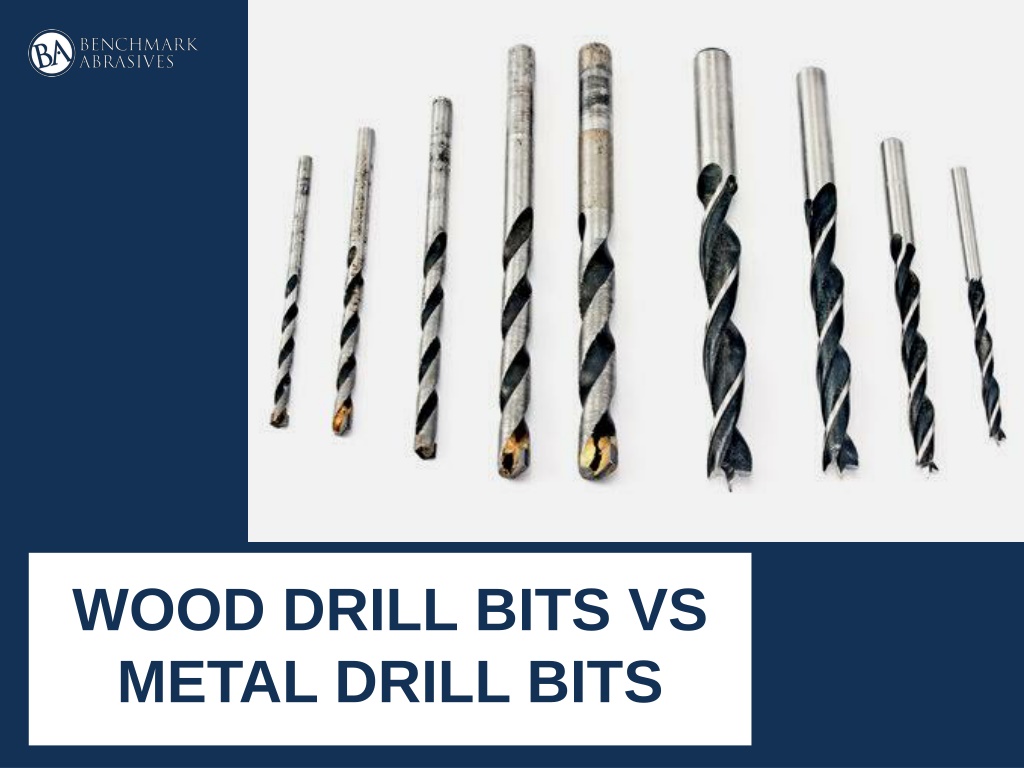
Why are they shaped the way they are? Take a look at the tip. You’ll often see a sharp point, but it might be a little less aggressive than a wood bit. Then there are the flutes – those spiral grooves running up the side. For metal bits, these flutes are designed to efficiently carry away chips of metal. Metal, when you drill it, turns into tiny, hot shavings. If those shavings get stuck, your bit overheats, it dulls, and your hole ends up looking like a melted mess. So, the flutes are like little conveyor belts for hot metal debris.
Also, metal drill bits often have a slightly different cutting angle. It's more of a precise, scraping action rather than a forceful gouging. This is important because metal is dense. You don't want to be violently ripping through it; you want to be cutting it cleanly and controllably. Imagine trying to cut a piece of paper with a dull spoon versus a sharp pair of scissors. The scissors (metal bit!) do a much cleaner job.

What are they good for?
Obviously, they’re your go-to for drilling into metal. Think about building a birdhouse with a metal roof, attaching something to a metal frame, or even working on car parts. They can also handle other tough materials like plastic and even some harder woods, but they might not be the fastest or cleanest option for those.
Why is it cool? Because you’re essentially using a specially engineered tool to overcome the density and toughness of metal. It’s a testament to material science and design! It's like having a tiny, super-powered cutting machine in your hand.
The Wood Wonders: Wood Drill Bits
Now, let’s talk about the guys designed for your lovely wooden projects. Wood drill bits often look a bit…different. Sometimes they have a really sharp, almost spike-like point right in the center. This is often called a pilot point or a spur. What’s the point (pun intended!) of that? It’s to help center the bit perfectly on the wood. Wood can be a bit softer and more forgiving, but if your bit wanders, you end up with a hole in the wrong place, or worse, a split in your beautiful piece of lumber. That sharp tip digs in and says, "Nope, we're going right here, thank you very much!"
The cutting edges on wood bits are also usually more aggressive. They’re designed to bite into the wood fibers and tear them away. Think of it like a little wood chipper. The flutes on wood bits are also designed differently. They’re often wider and shallower than metal bit flutes. This is because wood doesn't create those super-hot, fine shavings like metal. Instead, it creates sawdust, and these wider flutes are great for clearing out that fluffy stuff so your bit doesn't get bogged down.
The shape of the tip is also key. Besides the pilot point, many wood bits have small "teeth" or spurs on the outer edges of the cutting surface. These are called cutting spurs, and they essentially score the perimeter of the hole before the main cutting edges start removing material. This helps to create a much cleaner, rounder hole and reduces the chance of tear-out, which is when the wood splinters around the hole.

What are they good for?
Well, this one’s pretty straightforward: drilling into wood! Whether you’re assembling furniture, putting up shelves, building a treehouse, or crafting a wooden masterpiece, these are your best friends. They make holes quickly and with less fuss.
Why is it interesting? Because wood is a natural, organic material with a grain. It behaves differently than metal. These bits are designed to work with that organic structure, to cut and clear it efficiently without causing damage. It's like a dance between the tool and the material, a carefully choreographed performance to create a perfect opening.

So, What’s the Big Deal?
You might be thinking, "Can't I just use my wood bit on metal, or my metal bit on wood?" And the answer is… sometimes, but it’s usually not the best idea. Using a wood bit on metal is like trying to dig a tunnel with a spoon – it’s going to be slow, messy, and you’ll probably break your spoon (or your bit!). The aggressive cutting edges will likely get dulled very quickly, and you’ll end up with a chewed-up hole. Plus, the bit isn’t designed to handle the heat generated from drilling metal.
On the other hand, using a metal bit on wood can work in a pinch. But it won't be as clean or as fast. That sharp pilot point isn't there to center it perfectly on the softer wood, and the cutting edges aren't as aggressive. You might find yourself pushing harder, and the hole might not be as neat. It’s like using a precision scalpel when you just need a regular knife – it’ll do the job, but it’s overkill and not as effective for the primary task.
It’s all about efficiency and precision. Using the right tool for the job means less frustration, cleaner results, and tools that last longer. It’s a small detail that makes a big difference in your projects. So next time you reach for that drill, take a second to check out the tip and the flutes. You'll be a drill bit guru in no time!