
Difference Between Metal And Wood Drill Bits

Ever stared at a toolbox, overwhelmed by the sheer number of pointy things? Yeah, me too. There are bits for everything, and it can feel like a secret club of DIY jargon. But fear not, fellow humans! We're about to demystify two common suspects: the metal drill bit and the wood drill bit. It’s not rocket science, just… slightly different metal shapes.
Think of them like specialized cutlery. You wouldn't try to spread jam with a steak knife, would you? Or, maybe you would. No judgment here. But generally, using the right tool makes life a lot easier. And less likely to result in a snapped drill bit.
Let's start with the darling of the workshop, the wood drill bit. These guys are typically a bit more… enthusiastic. They have a pointy tip, sort of like a tiny spearhead. This spearhead is designed to grab onto wood fibers and pull itself in, like a determined squirrel going for a nut.
See that little sharp point at the very end? That's the secret sauce for wood. It scores the wood surface first, giving the bit a clear path. Then, the flutes (those spirally grooves) whisk away the sawdust, preventing a clog. It’s like a tiny wood-eating tornado.
They’re generally made of something called High-Speed Steel (HSS), which sounds pretty cool. It means they can handle a good amount of heat generated when drilling. Wood can be forgiving, but it still generates friction, and nobody likes a toasty drill bit.
Now, onto the more stoic cousin: the metal drill bit. These are the seasoned pros. They look a bit sleeker, often with a sharper, more precise tip. No aggressive spearhead here. Metal needs a more refined approach, like a delicate surgeon.
Metal drill bits usually have a 118-degree point angle. Fancy, right? It means the tip is not as sharp as a wood bit's. This might sound counterintuitive, but it's crucial for keeping the bit from wandering or "walking" on a metal surface. It wants to go straight, like a laser beam.
Instead of that grabby spearhead, metal bits often have a chisel-like cutting edge. This edge is designed to shear through metal, like a tiny, very precise chisel. They work by scraping and cutting, rather than pulling themselves in.

You’ll also notice the flutes on metal bits are often designed differently. They’re usually shallower and sharper. This helps them clear out the tiny metal shavings, called "chips," without jamming up. Imagine trying to clear a path through a pile of tiny metal confetti – tricky business!
Most good metal drill bits are also made of High-Speed Steel (HSS), but they might have added coatings. Think of coatings like a superhero suit for your drill bit. They can make them tougher, hotter, and generally more awesome at their job.
So, what happens if you swap them? Well, using a wood drill bit on metal is a bit like trying to wear flip-flops to a formal wedding. It’s not going to end well. The wood bit's aggressive tip will likely just skate around the metal surface, maybe making a scratch or two. It won't penetrate effectively.
And if you're really unlucky, you might even break the wood bit. Metal is tough stuff, and that soft wood-bit tip isn't designed for that kind of resistance. It’s like bringing a butter knife to a sword fight.
On the other hand, using a metal drill bit on wood isn't usually a disaster. It might be a little slower, and the hole might not be as clean. The metal bit doesn't have that aggressive self-feeding action, so you’ll have to push a bit harder. Think of it as a polite guest at a party – they don't barge in, they wait for an invitation.
It’s like using a very fine pen to write on a napkin. It works, but it's not the ideal tool for the job. You won't get that satisfying "zip" into the wood. You'll get a more precise, almost hesitant entry.

One of my personal, slightly unpopular opinions is that for simple, shallow holes in soft woods, a metal bit isn't the end of the world. But for anything serious, or harder woods, you want that wood bit’s grippy attitude.
The main takeaway? Look at that tip. Is it a pointy spearhead? Likely for wood. Is it a sharper, more precise point with a less aggressive entry? Probably for metal.
Think about the material. Is it soft and fibrous, ready to be splintered and shaped? Wood it is! Is it hard and unyielding, demanding precision and strength? Metal, my friend, metal.
It’s also important to consider the size of the hole you need. Both wood and metal bits come in a huge range of diameters. A tiny bit for delicate work, a massive one for serious construction. The principle remains the same, though.
And don't forget about the speed of your drill. Metal usually requires slower speeds and more pressure. Wood can often be drilled at higher speeds. It's a dance, really, between the bit, the material, and your drill's settings.
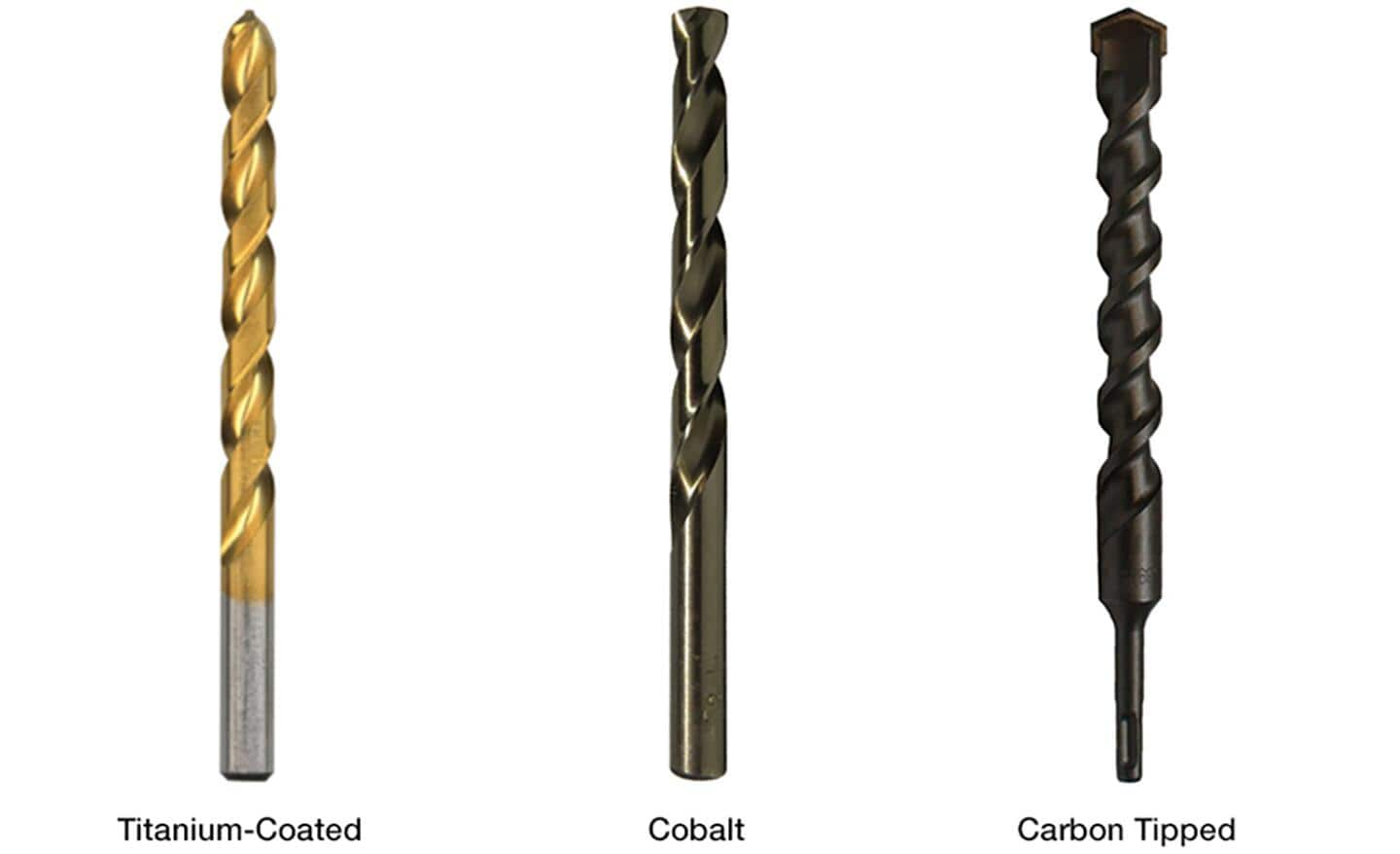
Sometimes, you’ll see bits that look like they could do both. These are often called universal bits or combination bits. They're the Switzerland of drill bits, trying to play nice with everyone. They might have a slightly modified tip to work reasonably well on both, but they rarely excel at either.
They’re the jack-of-all-trades, master-of-none. Handy in a pinch, but if you're doing a lot of metalwork or woodwork, investing in the right specialized bits will save you frustration and improve your results.
So, next time you're faced with a drilling dilemma, take a peek at your drill bits. Admire their pointy perfection. And choose wisely, for the sake of your project and the longevity of your tools.
It’s not about being a drill bit snob. It’s about respecting the engineering. Each bit has a job it’s really, really good at. And when you let them do their job, the results are far more satisfying.
Let’s face it, nobody wants to spend ages wrestling with a drill bit that’s not up to the task. That’s a recipe for sweaty brows and muttered curses. We’ve all been there.
So, go forth and drill with confidence! You now know the subtle, yet significant, difference between the woodland wonder and the metallic marvel. Happy drilling, and may your holes be ever straight (unless you're going for that artistic, wobbly look, of course).

Remember, the difference is in the details, like the subtle smirk on a seasoned craftsman's face. They know the secret. And now, so do you.
It's a small piece of knowledge, but it can make a big difference in your DIY adventures. Think of it as your new superpower. The power to choose the right pointy thing.
And if all else fails, just remember: pointy for wood, sharp and precise for metal. It’s not much, but it’s a start. A glorious, hole-making start.
Honestly, sometimes I think the names are just there to confuse us. But the shape tells the real story. It’s like a little metal puzzle.
So, the next time you’re at the hardware store, or rummaging through your garage, you’ll be able to tell them apart. You’ll look at a metal drill bit and think, “Ah, you elegant creature, you’re built for strength.” And you’ll look at a wood drill bit and say, “You, my friend, are ready to make a grand entrance into softer materials.”
It’s a simple distinction, but a vital one. And understanding it will make your DIY projects smoother, less frustrating, and a lot more successful. Now go forth and drill!