
Difference Between Steel Toe And Composite
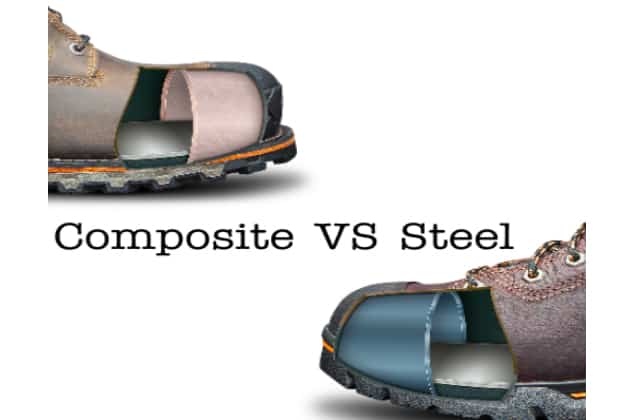
Ever wondered what’s really going on inside those tough work boots? It’s not just about looking rugged; there’s some serious science and protection happening at your feet! Today, we're diving into a topic that might sound a little niche, but is actually super relevant for anyone who’s ever worked in a demanding environment, or even just wants to be extra safe: the fascinating difference between steel toe and composite toe boots. Think of it as a friendly showdown between two champions of foot protection, each with their own unique strengths. Understanding this isn't just for the pros; it's a fun bit of knowledge that can empower your choices and ensure your feet stay happy and unharmed, no matter what the workday throws at them.
The Unsung Heroes of Foot Protection
At their core, both steel toe and composite toe boots serve the same crucial purpose: to shield your feet from impact and compression hazards. Imagine a heavy object falling from a height, or a crushing weight being placed on your toes. These boots are designed to absorb that force, preventing severe injuries like broken bones, crushed toes, or punctures. The toe cap, the part that does all the heavy lifting, is the key differentiator between the two types.
The traditional champion, the steel toe, has been the go-to for decades. Made from hardened steel, it's known for its incredible strength and reliability. When something heavy comes down, the steel cap is there to bear the brunt of the impact, often deforming slightly but keeping its integrity to protect your toes. They are a classic for a reason – they’re tough, proven, and readily available in a vast array of styles and brands.
On the other hand, we have the modern contender, the composite toe. This type of toe cap is made from non-metallic materials like Kevlar, carbon fiber, or strong plastics. While they might not scream “industrial” in the same way as their steel counterparts, don't let their lighter, less metallic appearance fool you. Composite toe caps are engineered to be incredibly strong, meeting or exceeding the same safety standards as steel. Their strength comes from the advanced materials and innovative construction techniques used in their creation.
Steel Toe: The Classic Powerhouse
Let’s give a nod to the veteran, the steel toe. These boots are a favorite in many industries where heavy machinery, falling objects, and potential crushing hazards are a daily reality. Think construction sites, warehouses, and heavy manufacturing. The benefits of steel toe are pretty straightforward:

- Unmatched Strength: Steel is inherently strong, offering exceptional resistance to impact and compression. This is their prime selling point.
- Cost-Effective: Generally, steel toe boots tend to be more affordable than their composite counterparts, making them an attractive option for individuals and businesses on a budget.
- Durability: Steel is a resilient material that can withstand a lot of wear and tear.
However, with great strength often comes some trade-offs. Steel toe boots are heavier and can feel more cumbersome. This added weight can contribute to foot fatigue over long shifts. Also, steel is a conductor of electricity. This means that in environments where there's a risk of electrical hazards, steel toe boots are generally not recommended as they can conduct electricity and pose a shock risk. On extremely cold days, you might find that the steel can feel particularly chilly against your feet.
Composite Toe: The Lightweight Innovator
Now, let’s talk about the rising star, the composite toe. These boots are winning over a lot of users with their innovative design and impressive performance. The primary advantage of composite toe boots is their material composition. Instead of metal, they use advanced polymers, fiberglass, or carbon fiber, which brings a host of benefits:
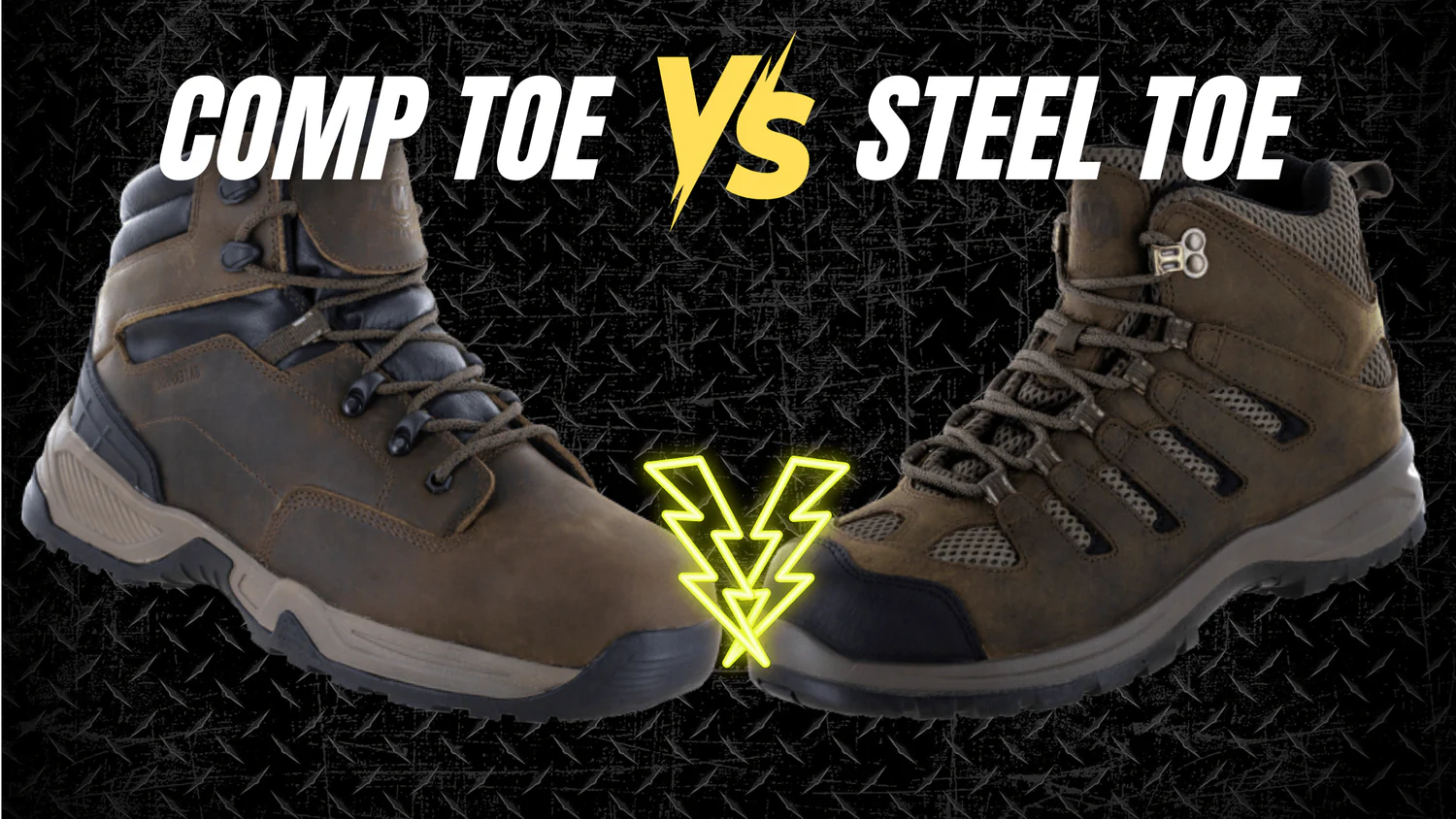
- Lighter Weight: This is perhaps the biggest draw. Composite toe boots are significantly lighter than steel toe boots, leading to less fatigue and greater comfort throughout the workday. Your feet will thank you!
- Non-Conductive: Unlike steel, composite materials do not conduct electricity. This makes them an excellent choice for jobs involving electrical hazards, offering peace of mind and enhanced safety.
- No Cold Conduction: In frigid conditions, composite toes won't transmit the cold like steel does, offering a more comfortable experience in colder environments.
- Less Bulk: Often, composite toe caps can be designed with a slimmer profile, which can translate to a more athletic-looking boot and potentially more room in the toe box for some wearers.
The main consideration with composite toe boots is their initial cost. They can sometimes be a bit pricier than comparable steel toe models. While their strength is comparable to steel, some might feel a slight psychological difference in terms of perceived toughness, though safety standards are met. Also, while they are very strong, in extreme cases of crushing, there might be a slight difference in how they deform compared to steel, though again, this is within safety limits.
Which One is Right for You?
So, the big question: steel toe or composite toe? The answer really depends on your specific needs and work environment.
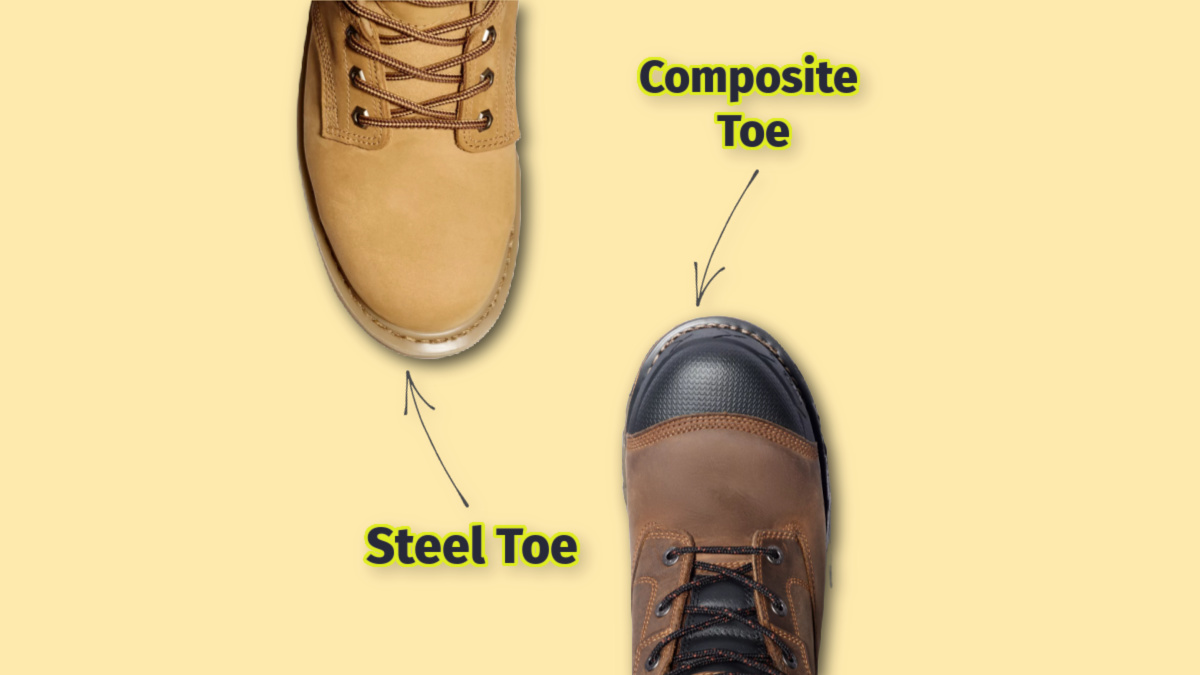
If your primary concern is maximum impact and compression resistance at the most budget-friendly price point, and electrical hazards are not a concern, then a sturdy pair of steel toe boots might be your best bet. They’re the tried-and-true option that has protected countless workers for years.
However, if you're looking for enhanced comfort, reduced fatigue, and crucial electrical hazard protection, the composite toe is likely the superior choice. They offer modern protection with a lighter footprint, making them ideal for those who spend long hours on their feet or work in environments where electrical risks are present. It’s about choosing the tool that best fits the job and your comfort.
Ultimately, whether you choose steel toe or composite toe, the most important thing is that your boots meet the required safety standards for your profession. Both types are designed to keep your feet safe from harm, allowing you to focus on your work with confidence and a little extra peace of mind. So next time you’re lacing up your work boots, you’ll know exactly what’s guarding your precious toes – a true unsung hero!