
Difference Between Wood And Metal Drill Bits

Ever stared at a drill and thought, "Wow, that's a powerful little gadget!"? Well, a big part of its magic comes from what's at the tip – the drill bit. These aren't just random pointy things. They're specialized tools, and their main job is to make holes.
The funny thing is, not all drill bits are created equal. It's like comparing a spoon to a fork. Both are utensils, but you wouldn't try to eat soup with a fork, right? The same goes for drill bits. You need the right one for the job.
Today, we're diving into the exciting world of two super common drill bits: the ones for wood and the ones for metal. Think of it as a friendly showdown between two materials, and their tiny but mighty helpers!
Wood Bits: The Gentle Giants
Let's start with our wood-loving friends. These bits are designed to make drilling into wood feel like a breeze. They have a very distinct look, and that look tells a story about how they work.
The most common type you'll see for wood has a sharp point right in the middle. This is called a pilot point. It’s like the bit’s little nose, guiding it perfectly into the wood. No more slipping and sliding!
This pilot point is super important. It helps center the bit exactly where you want to start. This means you get a cleaner, more precise hole every time. It’s like having a tiny compass built right into your drill bit!
Another cool feature you'll often find on wood bits are the sharp edges on the sides. These are called cutting spurs. They're like tiny little knives that shave away the wood as the bit spins.
These spurs do a fantastic job of breaking up the wood fibers. This makes drilling smoother and prevents the wood from splintering or tearing. It’s all about a clean getaway from the material!
So, with that pointy nose and those sharp shoulders, wood bits are built to create neat, controlled holes in lumber. They make you feel like a woodworking pro, even if you're just hanging a picture frame.

Why are they so special? Well, imagine trying to cut butter with a dull knife. It’s messy and frustrating. Wood bits are designed to cut through wood fibers cleanly, almost effortlessly. They make the whole process feel satisfyingly smooth.
Their design is all about precision and minimizing damage to the wood. This is crucial for furniture making, carpentry, or any project where the finished look matters. They’re the artists of the hole-making world!
They often have a wider flute, which is the spiral part of the bit. This wider space helps to clear out the wood dust and chips more efficiently. This means less clogging and a more continuous drilling experience.
Think of it like a tiny conveyor belt, carrying the debris away so the bit can keep doing its important work. This efficiency is what makes drilling through wood feel so straightforward.
Metal Bits: The Tough Guys
Now, let's shift gears to the metal bits. These guys are built for a tougher challenge. Metal is a lot denser and harder than wood, so these bits need to be extra strong and smart about how they work.
The first thing you'll notice about most metal bits is their high-speed steel (HSS) construction. This is a super tough material. It can withstand the friction and heat that drilling into metal generates.

These bits don't usually have that prominent pilot point like wood bits. Instead, they often have a more pointed tip, but it's designed differently. It’s made to penetrate hard surfaces without skipping.
The shape of the cutting edges on metal bits is also different. They are sharper and designed to sheer through metal. They don't have those aggressive spurs you see on wood bits.
Instead, they often have a specific lip angle and clearance angle. These technical terms basically mean they are shaped to cut away metal precisely without creating too much heat or stress.
This precise cutting action is what allows them to bore through steel, aluminum, brass, and other metals. It’s a more aggressive, yet controlled, form of drilling. They mean business!
What makes them so entertaining? It’s the sheer power and resilience. Watching a metal bit bite into a thick piece of steel and create a perfect hole is pretty impressive. It’s like watching a tiny, determined warrior conquer a strong foe.
The science behind them is fascinating. They have to deal with immense pressure and heat. The material they're made of and their specific cutting geometry are all about surviving and thriving in these harsh conditions.
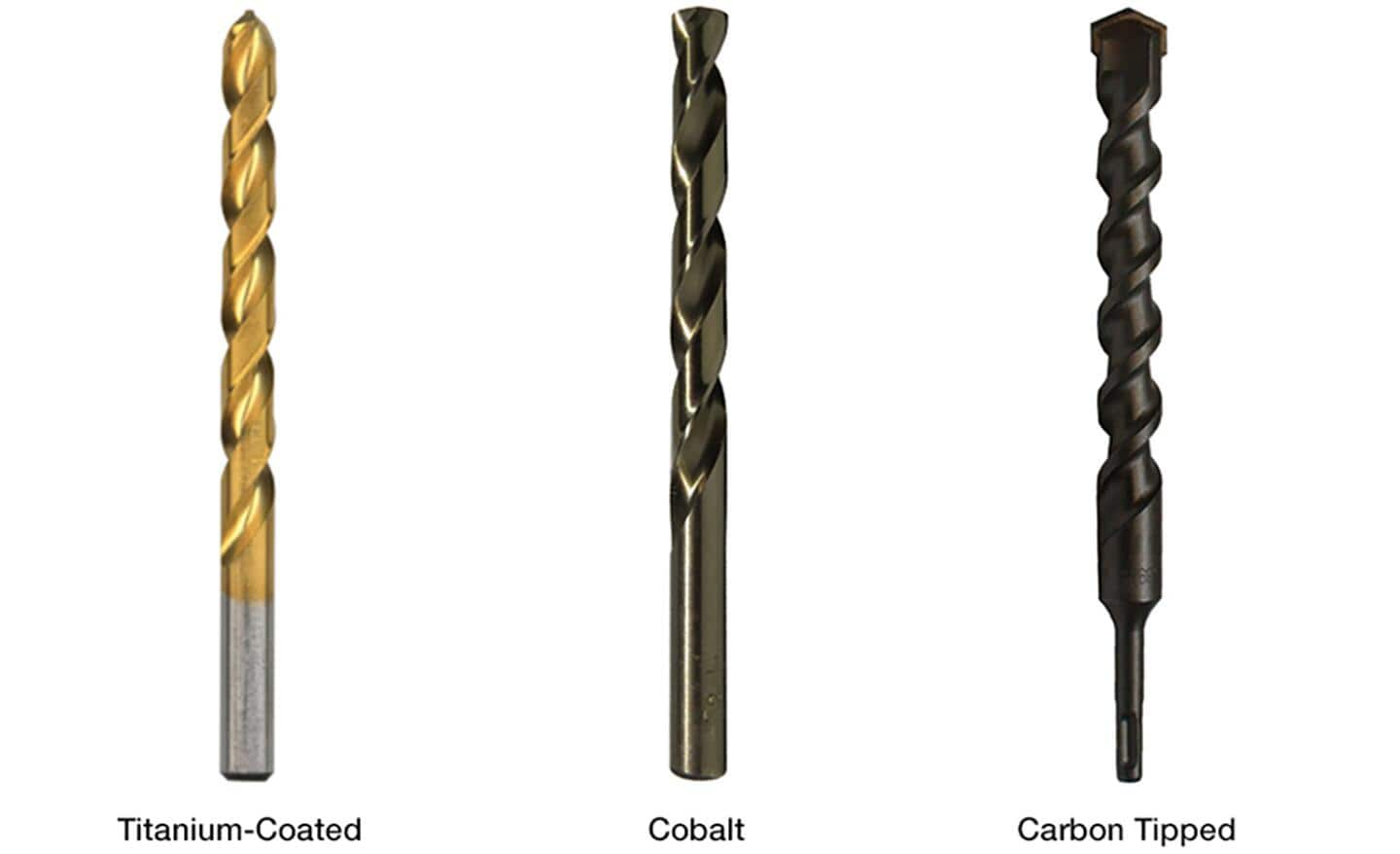
You'll often hear about cobalt or titanium-coated metal bits. These are even tougher! Cobalt adds extra strength and heat resistance, while titanium coating helps reduce friction and wear.
These special coatings are like giving your drill bit a superhero suit. They extend its life and allow it to perform even better on the hardest materials. It’s all about optimizing performance for those tough jobs.
The flutes on metal bits are often narrower than on wood bits. This is because metal chips are usually smaller and more brittle. The narrower flutes help manage these finer metal shavings.
They also help to maintain the structural integrity of the bit, which is important when dealing with strong materials. It’s a delicate balance of strength and cutting efficiency.
The Key Differences in a Nutshell
So, let’s recap the fun stuff! The biggest visual clue is that pilot point on wood bits. Metal bits usually don't have that.
Wood bits have those sharp cutting spurs to cleanly shave wood. Metal bits have sharper edges designed for sheer strength and precision cutting of metal.

The materials themselves are a big deal. Wood bits are typically made of hardened steel. Metal bits are often made of high-speed steel (HSS), sometimes with added cobalt or titanium coatings for extra toughness.
The shape of the flutes is different too. Wider for wood to clear chips easily, and narrower for metal to manage finer shavings. It’s all about making the hole-making process as efficient and clean as possible for each material.
Using the wrong bit can be... well, not so fun. A metal bit in wood might tear it up. A wood bit in metal will likely get dull very quickly or even break. It’s a recipe for frustration!
But when you use the right bit, oh boy, is it satisfying! You get a clean hole, the drill runs smoothly, and you feel that sense of accomplishment. It’s a small detail that makes a huge difference.
So next time you pick up a drill, take a peek at the bit. See if you can spot the pilot point, the spurs, or notice the sturdy build of a metal bit. It’s a tiny world of engineering and clever design.
It’s a reminder that even simple tools have fascinating stories. The difference between a wood bit and a metal bit is more than just appearance; it's about how they're engineered to conquer their specific challenges. It's pretty cool when you think about it!
Perhaps this little chat will inspire you to look a bit closer next time you’re in a hardware store or working on a DIY project. You might just find yourself a bit more curious about these unsung heroes of creation!