
Difference Between Wood Drill Bit And Metal

Hey there, DIY guru! Ever stood in the aisle of the hardware store, staring at a dizzying array of drill bits, and just thought, "What in the sweet, splintery heck is the difference between these things?" Yeah, me too. It's like trying to decode ancient hieroglyphs, but way more dusty. You grab one that looks right, and then... well, let's just say your project might end up looking less like a Pinterest masterpiece and more like a beaver's messy art installation. So, let's spill the beans, shall we?
Today, we're gonna chat about the trusty drill bit. You know, that little pointy metal thing that makes holes? But specifically, we're gonna tackle the big question: wood drill bits vs. metal drill bits. Because, believe it or not, they're not interchangeable, despite what your overconfident uncle might tell you. Trust me, I've seen the aftermath. It ain't pretty.
So, What's the Big Deal Anyway?
You might be thinking, "Come on, they both just spin and make holes, right?" Wrong! Oh, so wonderfully, spectacularly wrong. It's like comparing a butter knife to a samurai sword. Both can cut, sure, but one is designed for much more… serious business. And the other is for… well, butter.
The main difference, my friend, is all about materials and design. Wood is soft. It's giving. It's like a friendly handshake. Metal? Metal is stubborn. It's dense. It's like trying to high-five a brick wall. You need different tools for different jobs, otherwise, you're just asking for trouble. And probably a lot of frustration. Who needs that on a Saturday afternoon?
Wood Drill Bits: The Gentle Giants (Mostly)
Alright, let's talk about our buddies for wood. These guys are usually built for speed and efficiency when it comes to soft stuff. Think about it: wood is full of fibers. You want a drill bit that can cut through those fibers cleanly, without too much fuss. You don't want to splinter everything into oblivion, right? Unless you're going for that rustic, "just survived a lumberjack wrestling match" look, which, hey, to each their own!
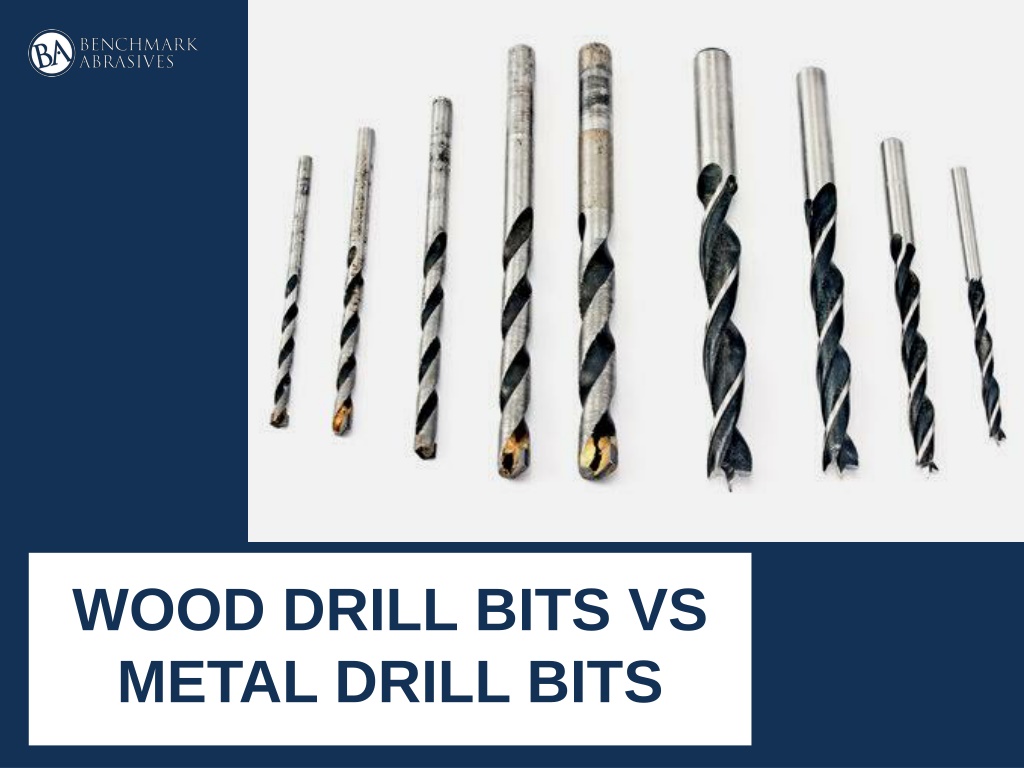
The most common type you'll see for wood is the twist drill bit. These are your everyday heroes. They've got those spiral grooves, called flutes, that do two things: they help channel out the wood dust (so your hole doesn't get all clogged up, a common newbie mistake) and they provide a sharp cutting edge. Simple, effective, and readily available. You can find them in pretty much any size imaginable.

But wait, there's more! For specific wood tasks, you've got special players. Ever heard of a spade bit? These are those flat, paddle-shaped bits. They're like the power drills of the wood world. They make large holes, really fast. Perfect for drilling through those thicker beams or running wires. Just be warned, they can be a bit… enthusiastic. Sometimes they like to grab and jolt, so hold on tight!
Then there are brad-point bits. These are neat! See that little pointy tip right in the center? That's the magic. It's designed to center the bit perfectly before the main cutting edges kick in. This means no more dancing drill bits or holes that start out crooked. It's like having a tiny, helpful assistant telling your drill exactly where to go. Super handy for precise work, you know, when you actually want the hole where you intended it.
And for those super-fine, delicate woodworking projects? You might see gimlets or auger bits. These are more specialized, but they're designed for very clean, controlled holes in wood. They're less about brute force and more about finesse. Think of them as the surgeons of the drill bit world. Finesse, people!
Metal Drill Bits: The Tough Guys
Now, let's switch gears to metal. This is where things get a little more serious. Metal doesn't just give way like wood. It fights back. It gets hot. Really, really hot. And if you try to use a wood bit on metal, you're going to have a bad time. Like, a really bad time. You'll probably end up with a dull, mangled bit and a very sad, smoky hole that’s more of a melted indentation than a proper drill site.
The workhorses of the metal drilling world are typically high-speed steel (HSS) bits. You'll often see them labeled as such. These guys are made of a special alloy that can withstand higher temperatures and are harder than regular steel. This is crucial because friction is your enemy when drilling metal. That friction creates heat, and heat is what dulls and destroys your drill bit. So, HSS bits are designed to soldier on, even when things get toasty.
Visually, metal drill bits often have a sharper, more conical point than wood bits. That point is designed to bite into the metal and create a clean cut. They also have flutes, just like wood bits, but they're usually designed to evacuate metal chips, which are a lot sharper and nastier than wood dust. Think tiny, metallic shrapnel. Ouch.

You might also see metal bits made from cobalt or with titanium nitride (TiN) coatings. Cobalt bits are even harder and more heat-resistant than regular HSS, making them excellent for drilling through really tough metals like stainless steel or cast iron. The TiN coating is like a shiny, golden armor that further increases hardness and reduces friction. They're like the superheroes of the drill bit world, ready to tackle any metal challenge thrown their way. They’re usually a bit pricier, but if you’re drilling a lot of metal, they’re worth their weight in gold… or at least titanium nitride.
Another thing to look out for with metal bits is their geometry. The angle of the cutting edge, the clearance behind the edge – it's all optimized for piercing tough materials. They’re designed to reduce the force needed to penetrate, but also to do it cleanly without overheating. It's a delicate balance, a metal-drilling ballet, if you will.
Why Can't I Just Use the "Wrong" Bit? (The Consequences)
So, you're still tempted to grab that twist bit for your metal project? Let's paint a picture for you. Imagine trying to cut through a thick steak with a spoon. It's not going to work, right? You'll just mash it up, make a mess, and get very little actual cutting done. That's what happens when you use a wood bit on metal. It’ll likely:

- Dull your bit instantly: Wood bits are softer. They’re not made for the resistance of metal. You'll grind down the cutting edges faster than you can say "oops."
- Overheat your bit (and maybe your drill!): All that friction on metal without proper design means things get seriously hot. This can ruin the temper of the bit, making it even softer and useless. Your drill motor might not thank you for the extra strain either.
- Mangle your workpiece: Instead of a clean hole, you'll likely end up with a chewed-up, mangled mess. It might even be dangerous, with sharp burrs and potential for the bit to slip.
- Create a lot of smoke: Ever seen a drill bit smoke? It's not a good sign. It means you're essentially melting the metal rather than drilling it.
- Frustrate you to no end: This is the biggest one, honestly. You’ll be standing there, drilling and drilling, and nothing is happening. You’ll feel like you’re fighting the material, and you are!
And what about using a metal bit on wood? Well, it's not as catastrophic, but it's usually not ideal. Metal bits can be more brittle, meaning they're more prone to snapping if you hit a knot or a hard spot in the wood. They also don't have the same efficient chip-clearing capabilities as wood bits, so you might find yourself dealing with more clogging. Plus, the sharp, aggressive cutting edge of a metal bit can sometimes lead to a rougher finish in wood compared to what a dedicated wood bit can achieve. It's like using a precision scalpel to chop vegetables – it works, but it’s not the best tool for the job, and you might end up with some oddly shaped carrot pieces.
Quick Tips for a Smoother Drilling Experience
So, how do you avoid these DIY disasters? It’s actually pretty simple:
- Know your material: Are you drilling wood or metal? This is your first and most important question.
- Choose the right bit: If it's wood, go for twist, spade, or brad-point bits. If it's metal, grab those HSS or cobalt bits.
- Lubricate when drilling metal: Seriously, this is a game-changer. A bit of cutting oil or even some WD-40 can dramatically reduce friction and heat, extending the life of your bit and giving you a cleaner hole. Think of it as giving your drill bit a little spa treatment.
- Use the right speed: Generally, you want to drill metal at a slower speed than wood. Too fast, and you’ll generate too much heat.
- Apply steady pressure: Don't force it. Let the bit do the work. Consistent pressure is key, especially with metal.
- Clear out chips regularly: Pull the bit out of the hole every now and then to clear away the debris. This prevents clogging and reduces heat buildup.
- When in doubt, ask! Hardware store employees are usually more than happy to point you in the right direction. It's better to ask than to buy the wrong thing and get frustrated.
Honestly, the world of drill bits can seem a bit overwhelming at first. But once you understand the basic differences between what’s designed for wood and what’s built for metal, you’re already halfway there. It’s all about giving your tool the right tool for the job. Makes sense, right? Now go forth and drill with confidence! And maybe… just maybe… avoid using your butter knife for steak. 😉