
Difference In Steel Cut Oats And Rolled Oats

I remember my first real attempt at making oatmeal from scratch. I was maybe eight, armed with a box of what I thought was just “oats” and a fierce determination to impress my mom with breakfast-in-bed. I dumped a cup of these little hard pebbles into a pot with milk, cranked the heat to high, and waited. And waited. And waited. What emerged was less creamy porridge and more… chewy, vaguely oat-flavored gravel. I nearly broke a tooth trying to eat it. My mom, bless her heart, just smiled and said, “Oh, darling, you made steel-cut oats!” That was my introduction to the not-so-subtle world of oat variations.
Fast forward a couple of decades, and I’m still navigating the bewildering world of breakfast grains. You walk into the supermarket, and it’s an oat-pocalypse! Rolled oats, instant oats, steel-cut oats, oat groats (what even are those?). It’s enough to make you just grab a box of sugary cereal and call it a day, right? But if you’ve ever wondered why your friend’s oatmeal seems to have a completely different texture, or why some recipes call for specific types of oats, you’re in the right place. Today, we’re diving deep into the delicious, sometimes confusing, differences between two of the most common oat contenders: steel-cut oats and rolled oats. Let’s get this porridge party started!
The Great Oat Divide: Steel-Cut vs. Rolled
So, what’s the big fuss? It all comes down to how the oat grain, specifically the oat groat (the whole, unadulterated oat kernel), is processed. Think of it like cutting a diamond versus polishing a pebble. Same basic material, drastically different results.
Enter the Steel-Cut Oats: The Tough Guys
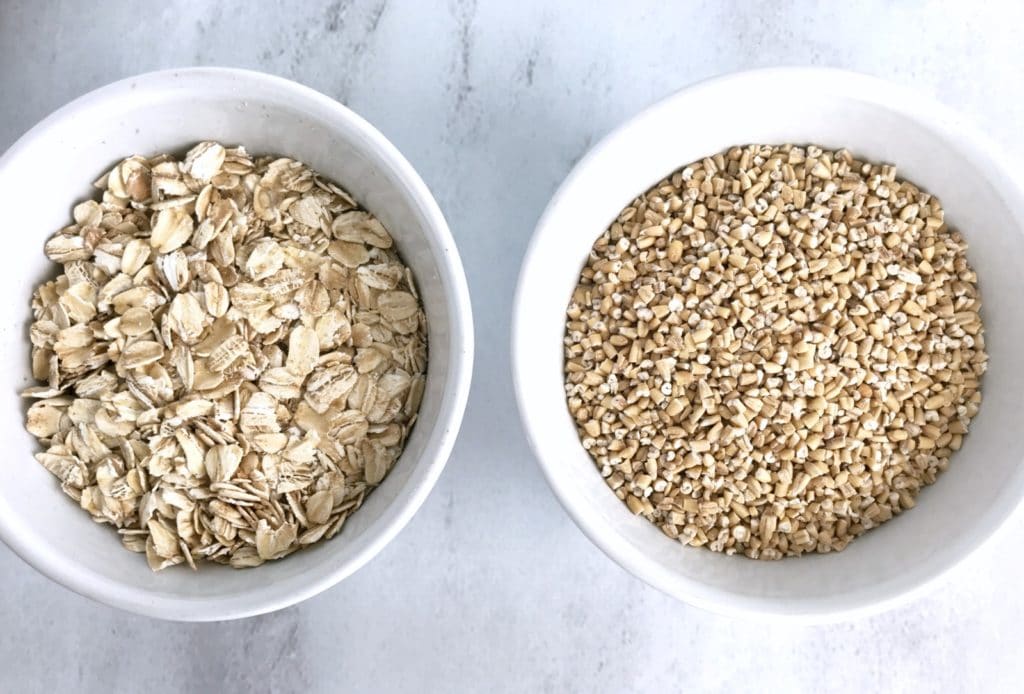
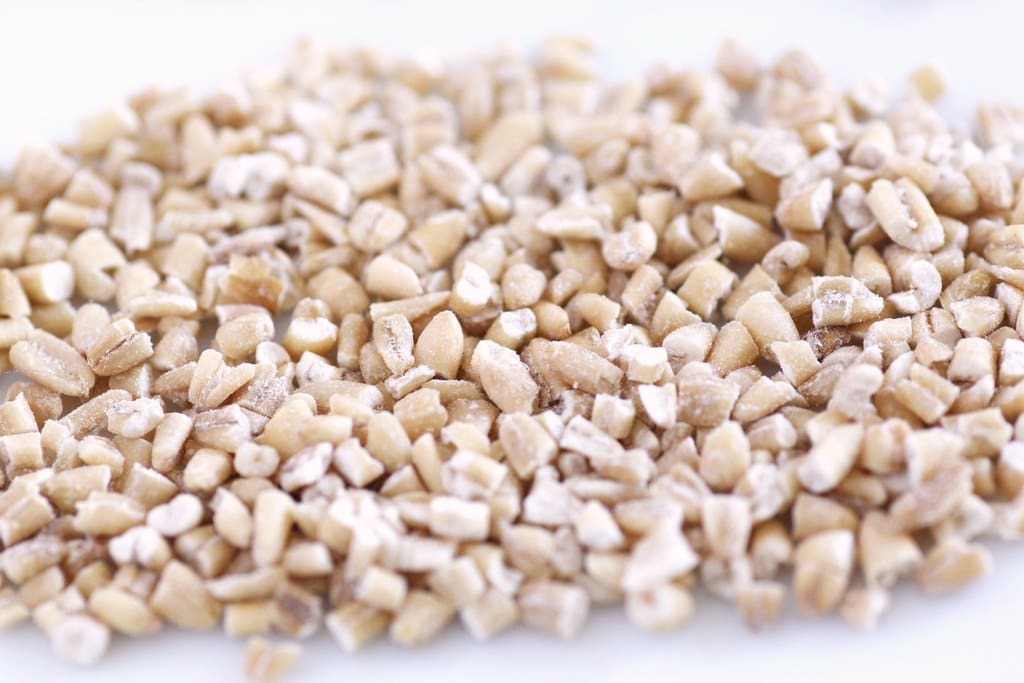
Let’s start with the culprits of my childhood breakfast disaster: steel-cut oats. These are essentially oat groats that have been chopped into smaller pieces using steel blades. That’s it. No steaming, no rolling, just a good ol’ chop. This minimal processing means they retain their shape and their structure much more.
Imagine an oat groat as a tiny, tough boulder. For steel-cut oats, we’re taking that boulder and breaking it into several smaller, still quite chunky, pebbles. Because they haven't been flattened or softened, they’re naturally more dense and have a firmer bite.
The cooking process for steel-cut oats is the most involved, relatively speaking. You can’t just chuck them in the microwave and expect miracles (unless you have a very high-powered microwave and a lot of patience, maybe). They require more liquid and a longer cooking time, often 20-30 minutes, sometimes even longer. This is because the water has to work its way into those intact pieces of oat.
But oh, the reward! When cooked properly, steel-cut oats offer a wonderfully chewy texture and a distinctly nutty flavor. They hold their shape, providing a satisfying, almost hearty breakfast. It’s less of a mushy, more of a substantial meal. Think of it as the artisanal bread of the oat world – a bit more effort, but totally worth it for the superior quality and character.
From a health perspective, this minimal processing is a big win. Steel-cut oats tend to have a lower glycemic index compared to their rolled counterparts. This means they release their sugars into your bloodstream more slowly, helping to keep you feeling full and satisfied for longer and avoiding those dreaded sugar crashes. So, if you’re looking for sustained energy and a breakfast that won’t have you reaching for a snack an hour later, steel-cut oats are your friends.
Fun fact: Sometimes you’ll see these referred to as “Irish oats” or “Scottish oats.” Historically, this chopping method was common in those regions. So, you’re practically eating a piece of history with every spoonful! How cool is that?
Now, Rolled Oats: The Smoother Operators
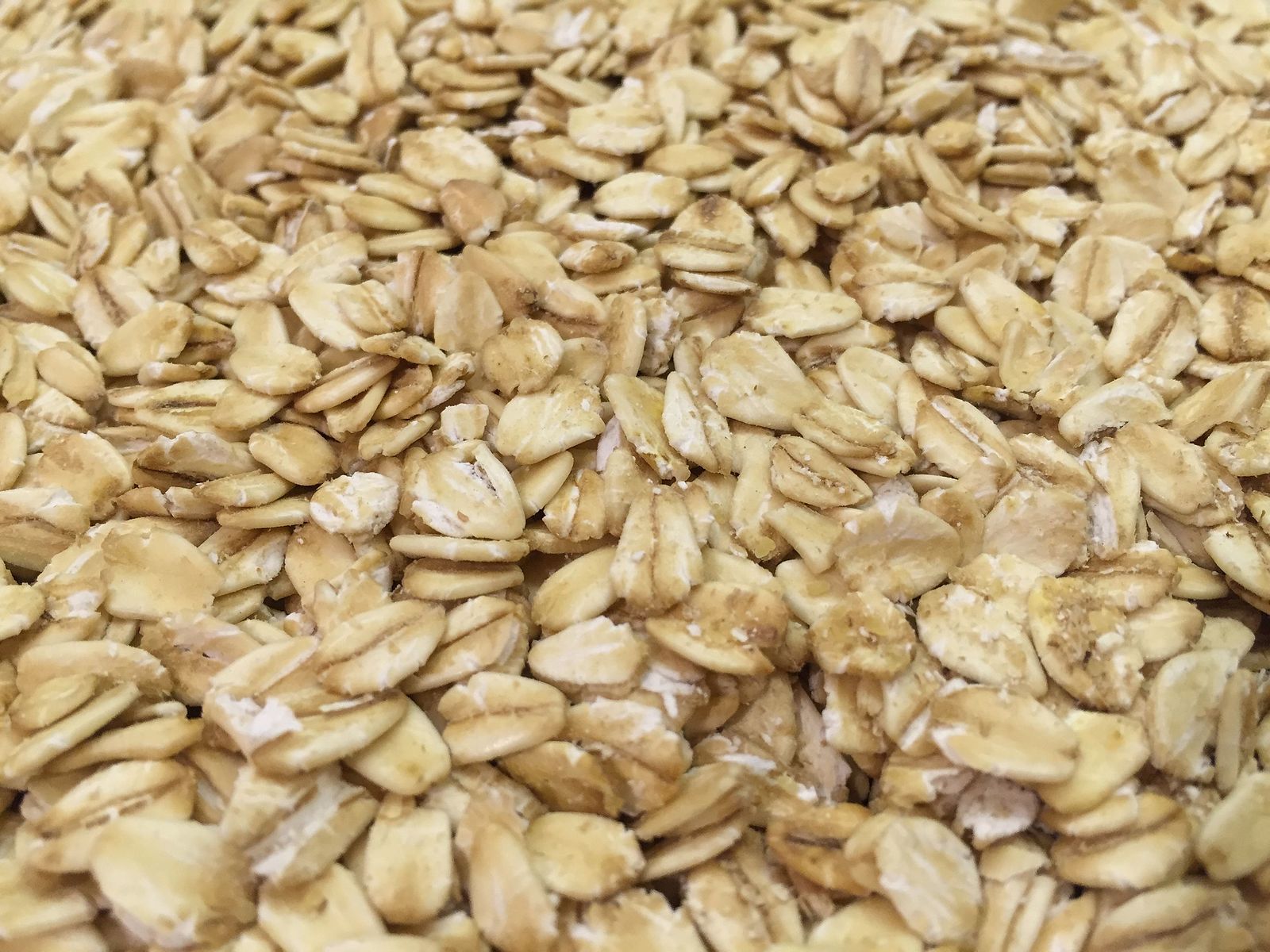
On the other side of the ring, we have rolled oats, also commonly known as “old-fashioned oats.” These guys have undergone a bit more of a spa treatment. After the oat groats are dehusked, they are first steamed and then passed through rollers. These rollers flatten the groats into flakes.
Think of that same oat groat boulder. For rolled oats, it’s steamed to soften it up, and then run through those rollers, transforming it into a flat, wide flake. This flattening process breaks down some of the cell walls within the oat, making them easier to cook and digest.
Because they’re flat and have been somewhat pre-cooked by the steaming, rolled oats cook much faster. We’re talking about 5-10 minutes on the stovetop, or even just a minute or two in the microwave. They absorb liquid more readily, creating a creamier, smoother porridge.
The texture of rolled oats is, well, smoother and creamier. It’s what most people probably picture when they think of a bowl of warm oatmeal. It’s comforting, it’s familiar, and it’s incredibly versatile. You can easily blend it into smoothies or use it in baking without it being too obtrusive.
While they are still a healthy choice, the steaming and rolling process can slightly increase their glycemic index compared to steel-cut oats. However, they are still packed with fiber, especially soluble fiber like beta-glucan, which is fantastic for heart health and keeping cholesterol in check.
There are actually a few sub-categories within rolled oats too! You might see “quick oats” or “instant oats.” These are typically rolled oats that have been cut even finer or further processed (like pre-cooking) to reduce their cooking time even more. While convenient, they often result in a mushier texture and can have a higher glycemic impact. So, if you’re a texture purist, stick with the classic old-fashioned rolled oats!
So, Which Oat Reigns Supreme?
Honestly? It’s a matter of personal preference and what you’re looking for in your breakfast. There’s no single “best” oat.
The Case for Steel-Cut Oats
Choose steel-cut oats if:
- You prioritize a heartier, chewier texture.
- You want a breakfast that keeps you full for longer and provides sustained energy (lower glycemic index).
- You don't mind a slightly longer cooking time.
- You enjoy a more pronounced, nutty flavor.
- You’re aiming for maximum nutritional density in its most intact form.
They are fantastic for people who like to savor their breakfast and want a real belly-filler. Plus, if you make a big batch on the weekend, you can have a ready-to-reheat, healthy breakfast all week long. Just saying.
The Case for Rolled Oats
Opt for rolled oats (old-fashioned) if:
- You prefer a creamier, smoother texture.
- You need a quick and easy breakfast option.
- You plan to use your oats in baking (cookies, granola, bread) where their flaked structure integrates well.
- You’re making things like overnight oats, where a quicker absorption is beneficial.
- You want a gentle, comforting start to your day.
Rolled oats are the workhorses of the oat world. They’re versatile, forgiving, and always deliver that comforting oat goodness. They’re also a great entry point if you’re new to cooking oats from scratch.
The Verdict (Sort Of!)
Think of it this way:
- Steel-cut oats are the slow-cooked stew – rich, complex, and deeply satisfying.
- Rolled oats are the comforting soup – quick, versatile, and always a hug in a bowl.
Both are incredibly healthy, packed with fiber, and offer a fantastic base for a nutritious meal. The difference really boils down to processing, which directly impacts texture, cooking time, and slightly, nutritional absorption.
My own journey with oats has certainly evolved. I still have a soft spot for the chewy, toothsome bite of steel-cut oats on a lazy weekend morning. But for those busy weekdays when I need something fast and delicious, a bowl of perfectly cooked old-fashioned rolled oats, topped with berries and a drizzle of honey, is pure bliss.
So, the next time you’re staring at the oat aisle, don’t let it overwhelm you. Just ask yourself: Do I want a hearty chew or a creamy embrace? A leisurely cook or a speedy start? Once you know that, you’ll know which oat is the right one for your bowl. And who knows, maybe you’ll even discover your own favorite oat adventure. Happy slurping!