
Differences Between The Giver Book And Movie
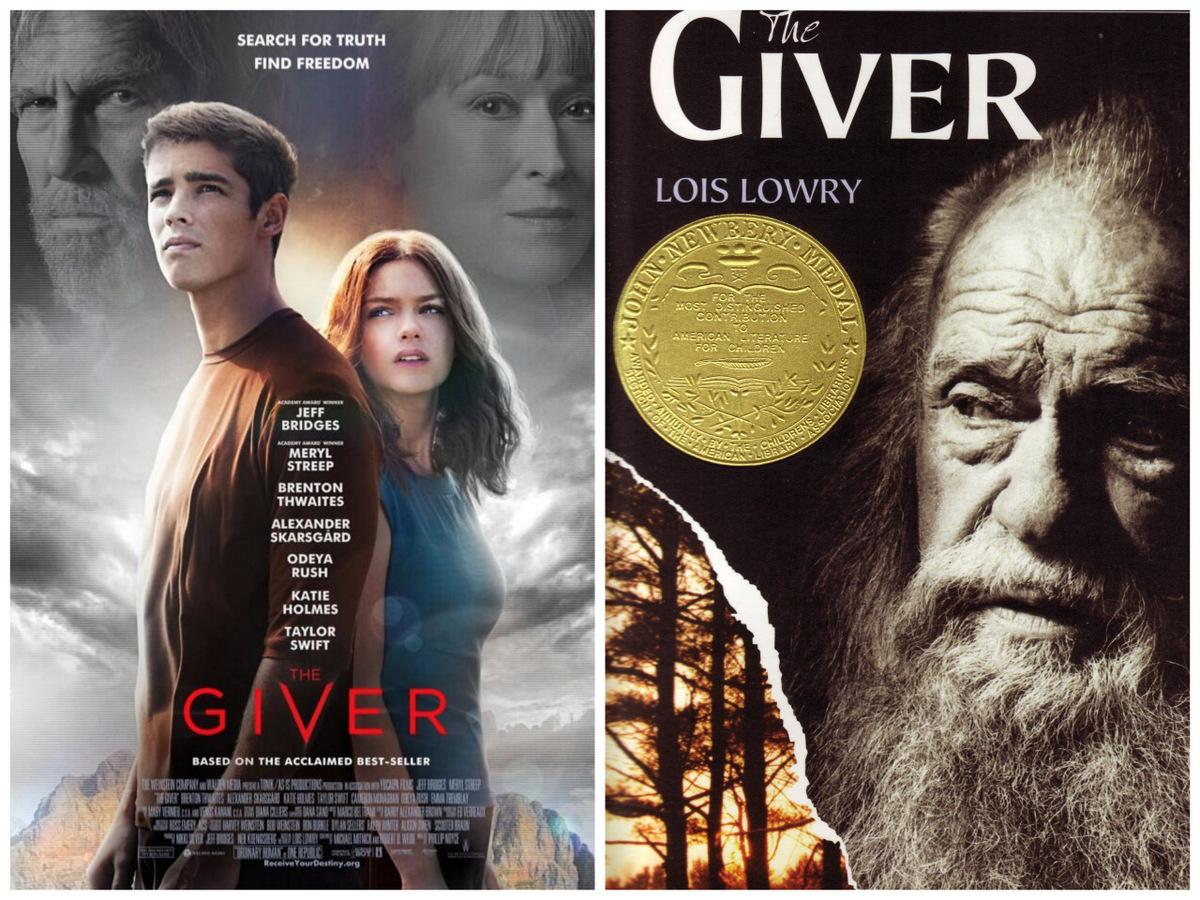
Alright, bookworms and movie buffs, gather 'round! We're about to dive into a topic that sparks a lot of passionate debate: the differences between the beloved book The Giver and its movie adaptation. It's like comparing your grandma's secret cookie recipe to a fancy bakery version – both are delicious, but oh-so-different!
Remember that feeling when you first read Lois Lowry's masterpiece? That quiet, almost eerie world where everything was just so? The book painted a picture of a community that had surgically removed all pain, all strife, and, as a consequence, all real joy and passion. It was a subtle, creeping unease that built with every page.
The Book's Subtle Shadow
In the book, the community's "Sameness" felt like a deeply ingrained, almost invisible force. Think of it like a perfectly manicured lawn. It looks pristine, but you know deep down, there's no wild, untamed beauty. The characters seemed to accept their lot with a quiet resignation, their emotions dulled to a comfortable hum.
Jonas, our young protagonist, was a regular kid, a bit introspective perhaps, but not exactly bursting with rebellious energy from the get-go. His awakening was a slow burn, a gradual realization that the "perfect" world was actually a hollow shell. It was all about those little whispers of doubt, those moments where the carefully constructed facade started to crack.
The Movie's Big Screen Punch
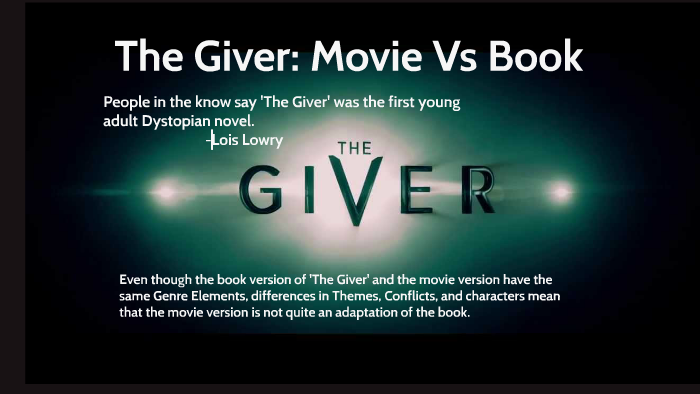
Now, the movie! Oh, the movie. It took that subtle unease and cranked it up to eleven. The community, visually, was stunningly sterile and uniform. Think of those perfectly aligned houses and the identical clothing – it was like a sci-fi utopia gone a little bit wrong.
And Jonas? Actor Brenton Thwaites brought a palpable sense of yearning to the role. The movie needed to grab your attention from the get-go, so Jonas's questioning of the system felt a bit more pronounced, a little less internal than in the book. He wasn't just a thoughtful boy; he was a ticking time bomb of unexpressed emotion.
Memory: The Heart of It All
The biggest, brightest, and arguably most significant difference lies in how memories are handled. In the book, the memories are pure, raw emotions and experiences, shared telepathically. You feel Jonas's wonder at snow, his terror of war, and the crushing heartbreak of loss as if you were experiencing them yourself. It's an intimate, internal journey.
The movie, bless its visual heart, had to show us these memories. This led to some incredibly powerful, albeit sometimes more dramatic, sequences. Think of the vibrant colors bursting forth, the visceral impact of witnessing warfare or the pure joy of a birthday party for the first time. It was a feast for the eyes, but it sacrificed some of the book's quiet, internalized power.
The Role of The Giver
Let's talk about The Giver himself, portrayed with gruff wisdom by Jeff Bridges. In the book, he’s a steady, patient mentor, guiding Jonas through the arduous process of absorbing memories. His role is crucial, but it’s more about the wisdom he imparts and the quiet support he offers.
The movie, however, gave The Giver a bit more of an active, even adventurous, role. He becomes a more central figure in Jonas's escape, almost a co-conspirator in breaking free. It makes for a more dynamic cinematic experience, but it shifts the focus slightly from Jonas's solo journey of discovery.
The Ending: A Fork in the Road
Ah, the ending! This is where the book and movie truly diverge, like two best friends deciding to take different paths after graduation. In the book, Jonas, carrying Gabriel, heads towards what he believes is Elsewhere, a place of color and music, driven by instinct and hope. The ending is ambiguous, leaving you to ponder whether he made it or not. It’s a poetic, thought-provoking conclusion.
The movie, on the other hand, gives us a much more definitive resolution. Jonas and Gabriel reach what is clearly a vibrant, living community, complete with music and celebration. It’s a visually satisfying and emotionally uplifting end, but it loses some of that gut-punch of the book's open-endedness. It’s like being served a perfectly plated dessert versus being told there's a hidden treasure chest of chocolates waiting for you.

The Elders and Their Authority
In the book, the Elders are the ultimate authority, their decisions unquestioned. They embody the system of Sameness, their logic seemingly impeccable within their controlled world. Their power is absolute, a silent, unyielding force.
The movie, for dramatic purposes, amplified the Elders' role as antagonists. They are shown as actively trying to suppress Jonas and his escape, their control more overtly oppressive. This makes the conflict more visceral and the stakes feel higher. It’s the difference between a stern headmaster giving you detention and a shadowy council actively plotting your downfall.
The Birthmother and Family Units
The book’s portrayal of family units is very clinical. Children are assigned, not born in the traditional sense, and assigned spouses. Jonas’s family unit is functional, devoid of deep emotional connection. His Birthmother is simply the one who birthed him, not a figure of deep maternal love.
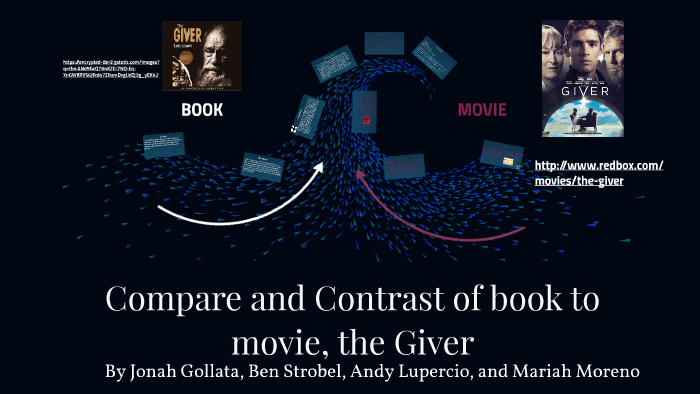
The movie, while still showing the controlled environment, tries to inject a little more warmth into Jonas's family unit. His mother and father, portrayed by talented actors, are made to seem more caring within the confines of their society. It’s a subtle attempt to make their interactions more relatable, even if the core concept of assigned family remains.
The Tone: A Whisper vs. A Shout
Ultimately, the biggest difference is the tone. The book is a gentle, philosophical whisper. It poses profound questions about individuality, emotion, and the cost of security without hitting you over the head with them. It’s a slow, contemplative journey.
The movie is a more energetic, dramatic shout. It wants to grab you, shake you, and make you feel the urgency of Jonas's quest. It’s designed for the big screen, with thrilling chase scenes and visually stunning moments. It’s like the difference between a quiet, introspective poem and a powerful, anthemic song.
So, is one better than the other? Honestly, it's like asking if you prefer chocolate ice cream or vanilla. Both have their own unique deliciousness. The book offers a profound, thought-provoking exploration of human nature, while the movie provides a visually stunning and emotionally charged adventure. Both are worthy experiences, and it’s totally okay to love them both for their own fantastic reasons!