
Do Cats Want To Be Alone When They Are Dying
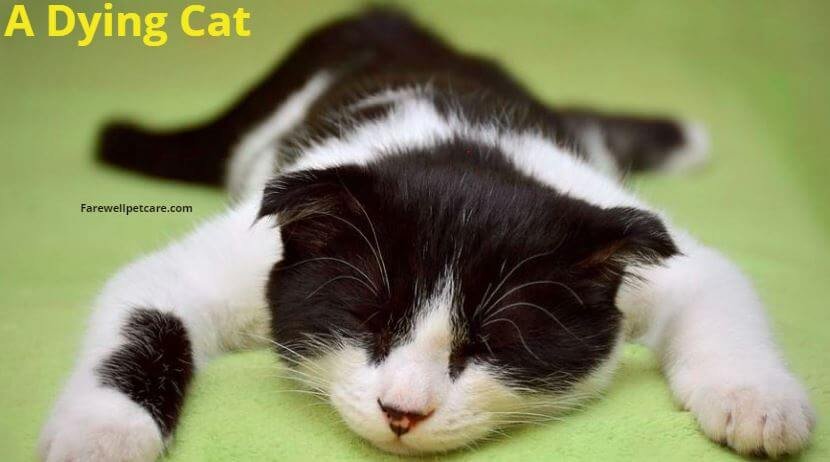
I remember when Whiskers, my grumpy old tabby, was nearing the end. He’d always been a creature of comfort, preferring his favorite sunbeam and a good nap to, well, anything else. But in his final days, something shifted. He retreated. Not to his usual spot, but to the darkest corner of the linen closet, a place I’d barely known existed. It was a stark contrast to his usual demand for cuddles and complaints if I dared move him from my lap. I felt a pang of guilt, a nagging question: Was I abandoning him? Was this what he wanted?
This question, the one that tugs at our heartstrings when our beloved feline companions are in their twilight, is a tough one. Do cats want to be alone when they are dying? It’s a question that probably keeps a lot of us up at night, staring at our furry friends, wondering if we’re doing the right thing by just… being there. Or not being there enough. Or being there too much!
Let’s be honest, cats are mysterious creatures. They’ve got us wrapped around their little paws, and we spend our lives trying to decipher their every purr, meow, and tail flick. So when they’re sick, and especially when they’re nearing the end of their nine lives, their behavior can become even more enigmatic. It’s like they’re speaking a secret language, and we’re just fumbling with the translation manual.
Some of you might have experienced something similar to my Whiskers situation. Your normally social butterfly of a cat suddenly becomes a hermit. They might hide, refuse food, or become unusually quiet. It’s enough to send us into a panic, right? We interpret it as rejection, as if they’re pushing us away when we want to offer comfort the most.
But here’s the thing about cats, and it’s something we often forget: they are incredibly instinctive animals. Think about their wild ancestors. When a wild cat is injured or sick, what do they do? They tend to hide. Why? Survival, plain and simple. A vulnerable animal is an easy target. So, this instinct to seek solitude when feeling unwell is deeply ingrained.
It’s not about us. And that’s a hard pill to swallow sometimes, isn't it? We want to be the comforters, the healers, the ones who provide solace. But for a cat, in their final moments, their instinct might be telling them to create a safe, quiet space where they can process what’s happening, free from perceived threats.
So, when you see your cat seeking out a secluded spot, it’s not necessarily a sign that they don’t want you near. It might be their way of trying to manage their discomfort and fear in the way their ancient instincts tell them is best. They’re looking for a place where they feel secure, where they can let their guard down (even if that guard is typically set pretty high!).
However, this doesn't mean all cats are the same. Just like us humans, every feline is an individual. Some cats, even when sick, might crave the comfort of their humans. They might want to be held, to feel your presence, to have their favorite blanket nearby. They might even become more affectionate, a final outpouring of love before they go.

Think about it: your cat has spent years building a relationship with you. They know you. They trust you. For some, that familiarity and the warmth of your touch can be incredibly reassuring, even in their final hours. It’s a sign of the deep bond you’ve shared, a testament to the love and security you've provided.
The Age-Old Debate: Solitude vs. Company
This brings us back to the core of the question. Is it solitude or company that our dying cats desire? The truth is, it’s a spectrum, and it depends entirely on the cat’s personality, their relationship with their humans, and their specific circumstances.
If your cat is suddenly becoming reclusive, it's worth considering that they might be seeking a quiet, safe space. This doesn't mean you have to abandon them to their chosen hiding spot. You can still offer comfort without being intrusive. This might mean placing their favorite bed or blanket near their chosen spot, ensuring they have fresh water and food accessible, and speaking to them in a soft, soothing voice.
You can sit quietly nearby, letting them know you’re there, but giving them the space they seem to be asking for. It’s a delicate balance, isn’t it? Like walking a tightrope over a pool of very emotional feelings.
On the other hand, if your cat is actively seeking you out, purring, kneading, and wanting to be close, then that’s their signal. They are telling you, in their own way, that they want your presence. They are finding comfort in your love and your familiar scent. In this scenario, you should absolutely be there for them, offering gentle strokes, soft words, and your unwavering companionship.
It’s about observation. Really, truly observing your cat. Are they hiding because they’re scared and vulnerable, or are they hiding because they’re tired and need a rest? Are they seeking you out because they need comfort, or are they seeking you out because they’re in pain and hoping you can somehow alleviate it?
This is where your intuition as a cat owner comes into play. You know your cat better than anyone. You know their quirks, their habits, their tells. Trust that knowledge.
The Role of Pain and Discomfort
A significant factor in a cat’s behavior when they are dying is pain and discomfort. When we’re in pain, our first instinct is often to curl up and make ourselves small, to try and escape the sensation. Cats are no different.
If their chosen hiding spot is a way to manage their pain, then respecting that choice, while still being present in a supportive way, is key. They might be feeling nauseous, disoriented, or simply overwhelmed by physical sensations they can no longer control.
This is also a crucial time to be in close communication with your veterinarian. They can provide guidance on pain management, which can significantly impact your cat’s comfort levels and their desire for solitude or company. Sometimes, alleviating their physical suffering can change their demeanor dramatically. They might become more relaxed, more open to interaction, or even find a bit of peace in a familiar spot.

Don’t underestimate the power of a good pain management plan. It’s not about prolonging suffering; it’s about ensuring that their final days, or hours, are as comfortable and peaceful as possible. And a comfortable cat might be a cat who is more receptive to your presence, or a cat who can find solace in their chosen quiet space.
It's important to note that some cats might even try to hide their illness or pain until the very last moment. This is part of that survival instinct we talked about earlier. They don't want to appear weak. So, when they do start showing obvious signs of decline, it’s often a sign that they’ve reached a point where they can no longer mask their vulnerability.
What Can You Do?
So, what’s the verdict? Do cats want to be alone when they are dying? The answer, frustratingly for those of us seeking a simple answer, is: it depends.
Here’s a more practical breakdown:
- Observe and Interpret: Pay close attention to your cat's behavior. Are they seeking out new, hidden places? Or are they actively seeking you out for comfort?
- Respect Their Space (When Necessary): If they’re hiding, don’t force them out. Create a comfortable, safe environment nearby. Ensure they have essentials like water and food.
- Offer Gentle Presence: Sit with them quietly. Speak softly. Let them know you’re there without overwhelming them. Your calm presence can be a source of comfort, even if they’re not directly interacting.
- Respond to Their Cues: If they are seeking you out, be there. Offer cuddles, gentle petting, and reassurance. They are telling you what they need.
- Consult Your Vet: This cannot be stressed enough. Your veterinarian is your most valuable resource. They can help manage pain, offer advice, and guide you through this difficult time.
- Prepare for Both Scenarios: Be ready for your cat to want space, and be ready for them to want you close. Having a plan, and being flexible, is key.
It’s also worth considering the environment. A chaotic or stressful environment can make any sick animal, cat or otherwise, more inclined to seek solitude. Try to keep things as calm and peaceful as possible.

Think about the comfort items that are important to your cat. Their favorite blanket, a familiar toy, a piece of your clothing that smells like you. These can be placed near their chosen resting spot or offered to them if they are seeking comfort.
And please, be kind to yourself. This is one of the hardest things any pet owner will ever go through. There’s no perfect script, no guaranteed right answer. You are doing your best, and your cat knows that. The love and care you’ve provided throughout their life are what matter most.
The instinct to hide can also be a way for cats to avoid showing weakness to their human family, whom they see as part of their social group. They might not want to worry us, or appear “less than” in our eyes. Isn’t that just heartbreakingly sweet? Like they’re trying to spare our feelings, even when they’re the ones in pain.
Ultimately, the decision of whether a cat wants to be alone when dying isn't a simple yes or no. It’s a complex interplay of instinct, personality, and the individual bond they share with their humans. Your role is to be a compassionate observer, a gentle supporter, and a loving presence, ready to adapt to whatever their final needs may be.
So, the next time you’re faced with this heartbreaking dilemma, remember Whiskers in his linen closet. He wasn't rejecting me; he was listening to an ancient call for peace and solitude. And in that quiet space, he found his own way to say goodbye. And that’s okay. It’s just one of the many ways our amazing feline friends navigate the end of their journey.