
Do Komodo Dragons Have Metal Teeth

Ever wondered about the legendary Komodo dragon? These massive lizards, the largest in the world, are truly fascinating creatures. They roam the Indonesian islands, and their presence sparks a lot of curiosity, especially when it comes to their formidable jaws. One question that often pops up, sounding almost like a myth or a sci-fi trope, is whether these prehistoric-looking reptiles possess metal teeth. It’s a fun thought, isn't it? Imagine a dragon with actual metal chompers! But, as we’ll discover, the reality is just as impressive, if not more so, and it explains a lot about their hunting prowess.
Understanding the biology of these apex predators is not just for trivia buffs; it gives us a glimpse into the incredible adaptations that evolution has crafted. The purpose of a Komodo dragon's teeth is, of course, for catching, holding, and tearing their prey. Unlike many predators that have blunter teeth for crushing bones, Komodo dragons have a more specialized set of tools designed for a particularly brutal feeding strategy. Their diet consists of everything from birds and mammals to carrion, and their teeth are perfectly suited to handle these diverse meals.
So, do they have metal teeth? The answer, in short, is no. There's no actual metallic element fused into their tooth structure. However, the idea of "metal teeth" likely stems from a misunderstanding or a vivid description of their incredible dental anatomy. While not literally made of metal, their teeth are designed in a way that can be perceived as remarkably strong and sharp, almost as if they were forged from something more robust than typical bone and enamel.
The Sharp Truth About Their Bite
What makes Komodo dragon teeth so special then? For starters, they are serrated, much like the teeth of a steak knife. These serrations are incredibly sharp and are designed to saw through flesh effectively. When a Komodo dragon bites down, these sharp edges can inflict deep, ragged wounds. This is crucial for their hunting success. They don't always kill their prey instantly. Instead, they often inflict significant damage and then allow the prey to weaken and bleed out over time, sometimes over days.
Furthermore, Komodo dragon teeth are constantly being replaced. As they age and wear down, new teeth grow in, ensuring that their bite remains effective throughout their lives. They have multiple rows of teeth, and as old ones fall out, new ones are already developing underneath. This continuous replacement is common in many reptiles, but in the Komodo dragon, it contributes to their consistent ability to tear and rip, even as their mouths are subjected to immense stress.
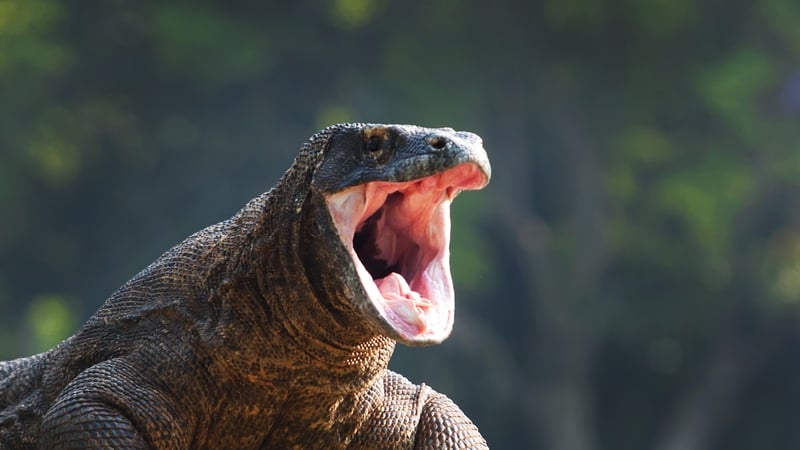
The sheer size of these teeth also plays a role. Adult Komodo dragons can have teeth that are up to an inch long, which is significant for a lizard. When combined with the powerful jaw muscles of the dragon, these sharp, serrated teeth can deliver a devastating bite, capable of downing prey much larger than themselves, such as deer, pigs, and even water buffalo.
Beyond the Bite: A Dangerous Saliva
While the teeth are a primary tool, it's not just the physical sharpness that makes the Komodo dragon so deadly. Their saliva is a complex cocktail of venom and bacteria. For a long time, scientists believed that the bacteria in their saliva were the main reason their prey succumbed after a bite. However, recent research has revealed that Komodo dragons also possess venom glands. This venom contains toxins that can lower blood pressure, prevent clotting, and induce shock, significantly accelerating the incapacitation of their prey.
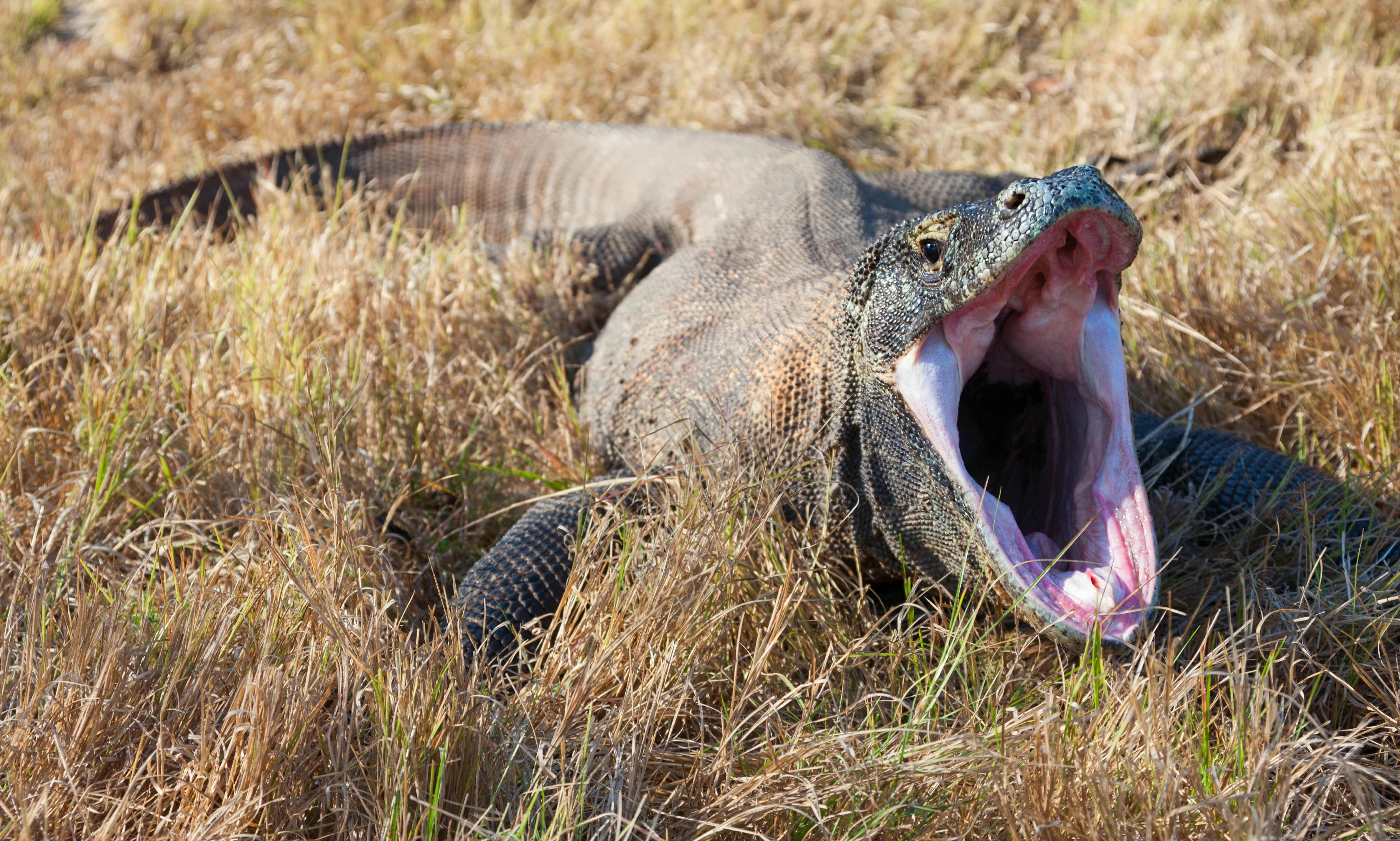
This dual threat – the sharp, sawing teeth and the potent venom – makes the Komodo dragon a truly formidable predator. When you combine the physical trauma from the teeth with the systemic effects of the venom, it’s easy to see why their bite is so feared. The wounds inflicted by their teeth, already nasty due to the serrations, become even more dangerous when introduced to the venom and the various bacteria present in their mouths. This is why even small prey can be brought down, as the venom works its magic to weaken them for the dragon’s eventual meal.
So, while you won't find any actual metal components in a Komodo dragon's mouth, their teeth are a testament to the marvels of natural engineering. Their serrated, constantly replaced teeth, coupled with their venomous saliva, create a hunting apparatus that is both ancient and incredibly effective. It's a prime example of how evolution equips creatures with specialized tools to thrive in their environment, and it certainly makes the idea of "metal teeth" understandable, even if it's just a fascinating misperception of their incredible biological design. The Komodo dragon truly is a king of its domain, armed with one of nature’s most efficient and terrifying weapons systems.

The combination of sharp, serrated teeth and venom makes the Komodo dragon an apex predator with a bite that is feared and respected.
Learning about these adaptations helps us appreciate the diversity of life on Earth and the intricate ways in which animals have evolved to survive and dominate their ecological niches. The Komodo dragon's dental setup is a perfect illustration of this, showcasing a predatory strategy that has remained remarkably successful for millions of years. Next time you think of a Komodo dragon, you can marvel at its real, but no less extraordinary, dental weaponry.