
Do Stainless Steel Pans Need To Be Seasoned

Hey there, fellow kitchen warrior! So, you’ve just snagged yourself some shiny, new stainless steel pans. High five! They’re looking all sleek and professional, promising to elevate your culinary game from "meh" to "magnifique." But then a little voice in your head, or maybe a frantic Google search, whispers a question: "Do these beauties need to be seasoned?"
It’s a question that can send even the most seasoned chef (pun intended, sorry!) into a bit of a panic. We’ve all heard about seasoning cast iron pans, right? That whole ritual of rubbing them with oil and baking them until they’re a deep, dark, non-stick marvel. It’s like a spa treatment for your cookware. So, it's natural to wonder if stainless steel needs the same TLC. Let's dive in and clear up this mystery, shall we?
First things first, let's set the record straight. The short, sweet, and incredibly easy answer is: NO, your stainless steel pans do NOT need to be seasoned in the traditional sense. There, I said it. You can exhale. No need to preheat your oven to a mysterious temperature or embrace the smoky scent of burning oil in your kitchen. Phew!
Now, I know what you might be thinking. "But wait! If they don't need seasoning, how do I stop my food from sticking like glue to the bottom of the pan?" Excellent question! This is where the magic of stainless steel, and a little bit of know-how, comes into play. It's not about a chemical transformation like with cast iron; it's more about understanding how stainless steel behaves.
Think of seasoning cast iron as creating a non-stick layer. It's essentially polymerizing oil onto the surface, which builds up over time. Stainless steel, on the other hand, is naturally quite durable and doesn't absorb oil in the same way. Trying to season it would be like trying to paint over a mirror – it just wouldn't stick in the long run, and you'd end up with a sticky, messy pan.
So, if seasoning isn't the answer, what is the secret sauce to achieving non-stick results with your stainless steel? It boils down to a few simple, but crucial, techniques. And honestly, they're so easy, you’ll wonder why you ever worried!
The Art of the "Heat and Oil" Dance
This is where we get a little bit fancy with our language, but the concept is super straightforward. Before you even think about tossing in your delicate fish fillets or your precious scrambled eggs, you need to properly heat your pan. This is arguably the MOST important step. How hot? Not screaming hot, but warm enough to make water sizzle and evaporate quickly. Think a nice, steady medium heat.
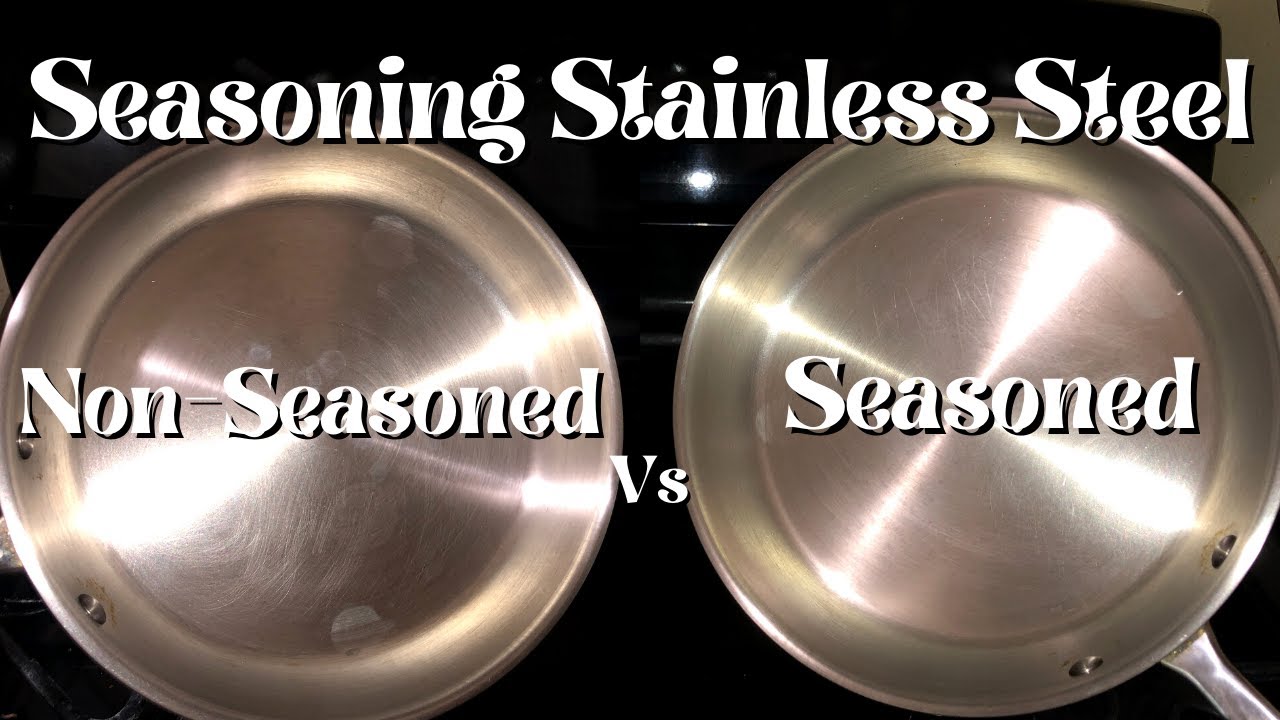
Why is this so important? Because when stainless steel heats up, its tiny pores actually close up. This creates a smoother surface, which, believe it or not, makes it less likely for food to grab onto. If you put cold oil into a cold pan and then crank up the heat, the oil will just pool around the food, and everything will stick. It's like trying to run a race with one shoe on – you're going to stumble!
Once your pan is nicely heated – and you can test this by flicking a few drops of water in. If they dance around and disappear quickly, you're golden! – then it’s time for the oil or fat. Pour in a reasonable amount. You don't need to drown your pan, but you do need enough to coat the bottom. Swirl it around so it coats evenly.
Now, here’s the really fun part, the moment of truth: let the oil heat up for a minute or two until it starts to shimmer. You might even see a faint wisp of smoke. That’s your cue! At this point, the pan is ready for your ingredients. This is what we call creating a temporary non-stick surface through proper heat management and oil dispersion. It’s not a permanent layer, but it works like a charm for that cooking session.
Imagine it like this: the hot pan creates a smooth surface, and the hot oil acts as a little lubricant, a tiny roller coaster track for your food to glide on. Pretty neat, right?
Temperature Control is Your BFF
This goes hand-in-hand with heating the pan. Don't be tempted to blast the heat to high and expect miracles. Stainless steel, especially if it has an aluminum or copper core (which most good ones do!), conducts heat very efficiently. Too much heat, and you'll go from a lovely sear to a burnt offering in about thirty seconds flat. Trust me, I’ve been there, staring at a blackened mess and muttering to myself, "Why, oh why, did I think that was a good idea?"

Start with medium heat, and only turn it up if you need to. You can always add more heat, but you can't magically un-burn your food. Learning to listen to your pan is key. Does it sound angry? Is it smoking like a chimney? Turn it down a notch, my friend.
Don't Crowd the Pan
This is another classic kitchen blunder that can lead to sticking, even with the best of intentions. When you overcrowd your pan, you lower the temperature of the pan dramatically. Think about it: you're putting a bunch of cold food items into a hot environment. The pan has to work overtime to cook the food, and the steam that's released can't escape properly. This leads to steaming rather than searing, and increased sticking.
Give your ingredients some breathing room! Cook in batches if necessary. It might take a few extra minutes, but the result will be beautifully seared, perfectly cooked food that slides right out of the pan. Plus, who doesn't love an excuse to admire their cooking skills for a little longer?
The Importance of Deglazing
Now, even with the best technique, sometimes a little bit of food will stick. Don't panic! This is where deglazing comes to the rescue, and it's another one of those "wow, stainless steel is actually amazing" moments.
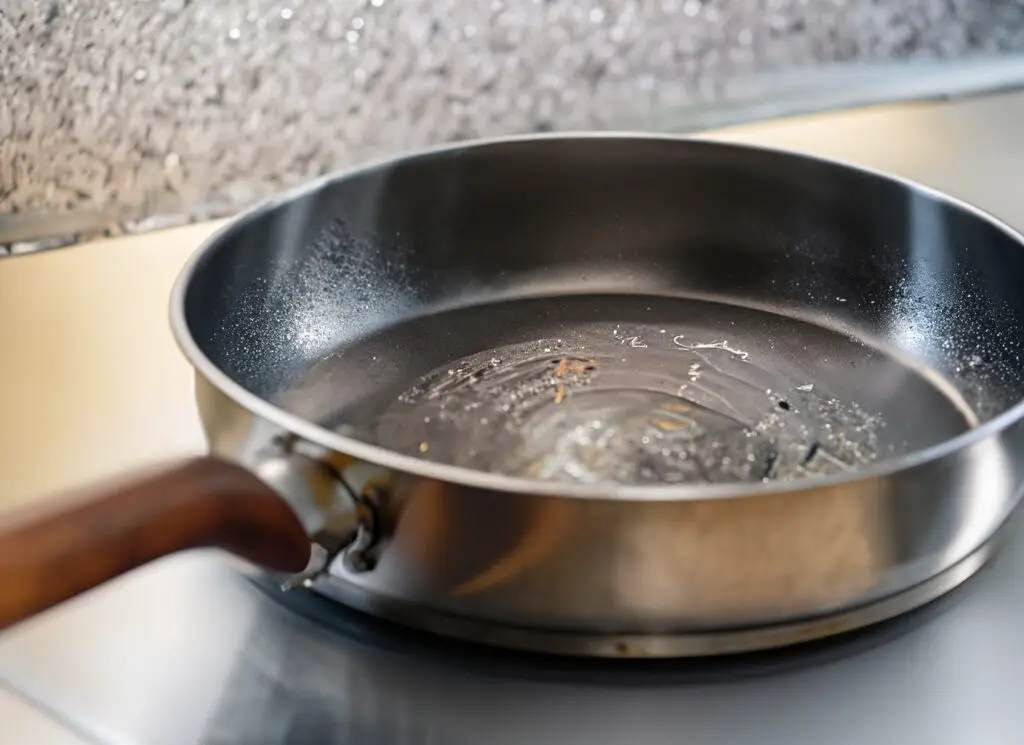
Once you've finished cooking your main event, you'll often see tasty little brown bits stuck to the bottom of the pan. These are called "fond," and they are pure gold! They're packed with flavor.
To deglaze, simply remove the pan from the heat (or turn it down to low), add a liquid like wine, broth, or even water. As the liquid heats up, use a wooden spoon or spatula to scrape up those browned bits from the bottom of the pan. This not only frees up any stuck-on food but also creates a delicious sauce that you can pour right over your meal. Voila! Flavor explosion!
This is a huge advantage of stainless steel. You can't deglaze a non-stick pan without damaging its coating. With stainless steel, those stuck-on bits are your friends, waiting to be transformed into something delicious.
A Quick Note on "Seasoning" for a Slightly More Non-Stick Surface
Okay, so we’ve established that traditional seasoning is a no-go. But there’s a very minor thing you can do after cleaning that might give you a tiny edge for your next cook. It’s not really seasoning, but it’s good practice.
After you've thoroughly washed and dried your pan, you can put it back on the stove over very low heat for a minute or two. Then, add a tiny drop of oil and wipe it all over the inside of the pan with a paper towel, until there’s no visible oil left. This helps to prevent any microscopic rust spots and keeps the surface in top condition. Think of it as a quick polish, not a full-blown spa treatment.
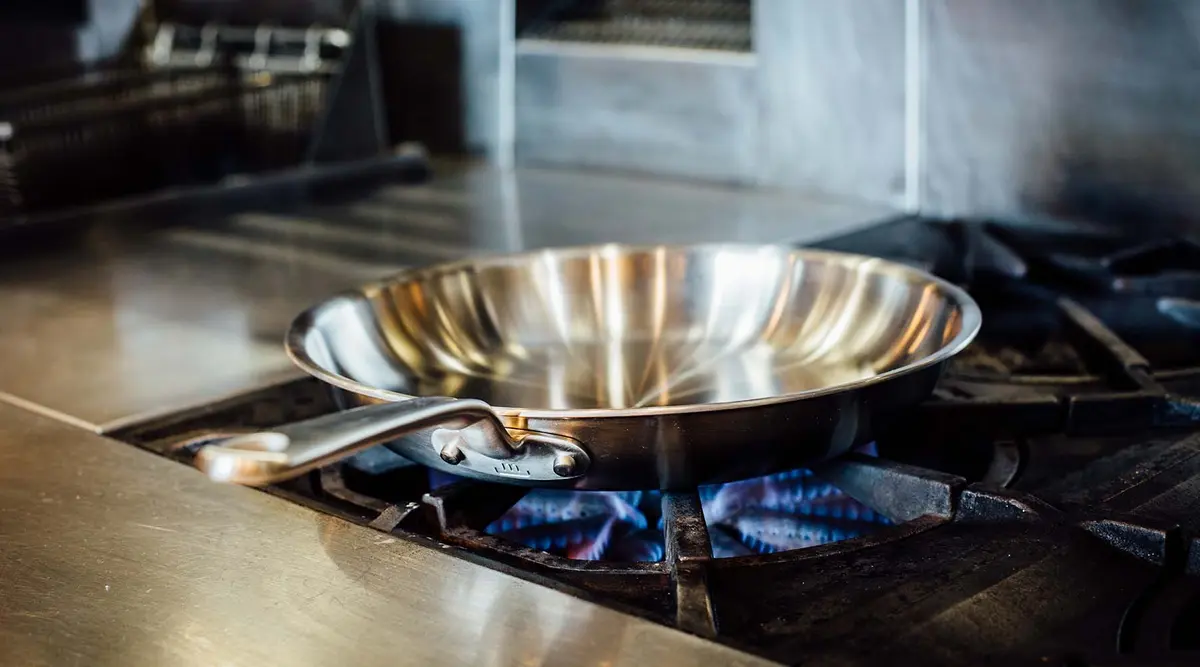
This won’t make your pan non-stick like Teflon, but it can help maintain that smooth, clean surface that contributes to easier cooking. It's like giving your pan a little pat on the back and saying, "Good job, you're ready for the next adventure!"
Why Stainless Steel is Still Awesome (Even Without Seasoning)
So, why bother with stainless steel if you have to be a bit more mindful than with a non-stick pan? Oh, let me count the ways!
- Durability: These pans are built to last. They won't warp, chip, or scratch easily. You can even use metal utensils on them (though I still tend to prefer wood or silicone to be extra safe). They're practically indestructible!
- Healthier Cooking: Unlike non-stick coatings that can degrade over time and potentially release harmful chemicals, stainless steel is inert. It won't leach anything into your food. That means cleaner, healthier meals for you and your loved ones.
- Excellent Searing: For that perfect golden-brown crust on your steak or chicken, stainless steel is your champion. It gets hot and stays hot, giving you those amazing Maillard reaction results that non-stick pans often struggle to achieve.
- Versatility: You can go from stovetop to oven with most stainless steel pans, opening up a world of culinary possibilities. Sear your steak on the stove, then pop it in the oven to finish. Easy peasy!
- Easy to Clean (Mostly): Once you've mastered the heat and oil dance, cleaning is usually a breeze. The deglazing trick we talked about is a game-changer.
So, instead of worrying about a nonexistent seasoning ritual, focus on the simple techniques: proper heating, controlled oil, and not overcrowding. These are the real secrets to happy, non-stick cooking with your stainless steel pans.
Think of your stainless steel pans as your trusty sidekicks in the kitchen. They might not need a fancy spa day, but they do appreciate a little bit of respect and understanding. When you treat them right, they'll reward you with perfectly cooked meals, incredible flavor, and years of reliable service.
So, go forth and conquer that kitchen! Sizzle, sear, and sauté with confidence. Your stainless steel pans are ready to shine, and so are you. Happy cooking, and may your food always slide gracefully from pan to plate!