
Does Jet Fuel Burn Hot Enough To Melt Steel
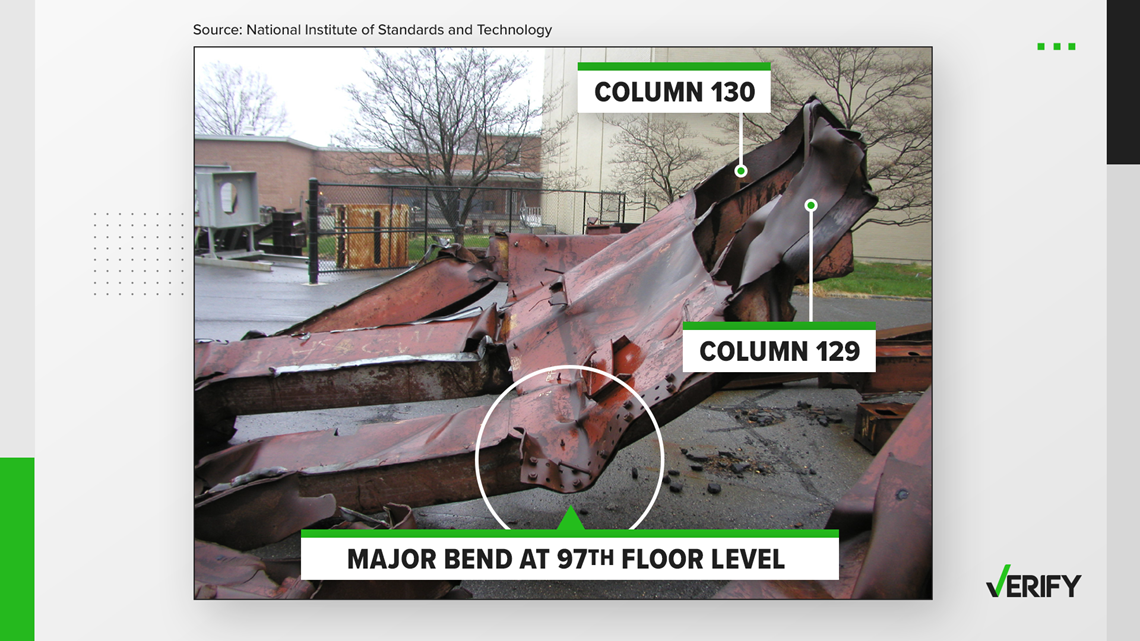
Hey there, folks! Ever find yourself staring at a perfectly good toaster and wondering, "Could this thing really melt steel?" Okay, maybe not that specifically, but you get the idea. We see things burn, we see things melt, and our brains, bless their curious little hearts, start to connect the dots. Today, we're diving into a question that pops up now and then, usually around dramatic movie scenes or heated online discussions: Does jet fuel burn hot enough to melt steel? It sounds like a blockbuster plot point, doesn't it?
Let's break it down, nice and easy. Think about your everyday experience with fire. A campfire? Super cozy, perfect for roasting marshmallows. But it’s not exactly going to reshape your garden gnome, is it? A gas stove? Great for searing a steak, but you're not going to melt your frying pan. We’ve got different kinds of heat, right? Some are just for a bit of warmth, and others can get seriously intense.
Jet fuel, the stuff that powers those massive metal birds soaring through the sky, is a bit more potent than your average backyard barbecue. It's designed for one main job: to get those engines roaring and lift tons of metal and people to thousands of feet. And to do that, it needs to burn really, really hot. We're talking about temperatures that make your oven on its highest setting look like a chilled margarita.
Now, about that steel. Steel is a tough cookie. It's what we build bridges with, what makes your car frame sturdy, and what keeps your skyscraper from wobbling like a jelly on a plate. It takes a lot of heat to make steel start to lose its structural integrity, to get all gooey and bendy. Think about it like trying to bend a paperclip with your bare hands – it’s pretty darn resistant.
So, the million-dollar question: does jet fuel’s fire reach that melty point for steel? The short answer, my friends, is it's complicated, and generally, no, not on its own.

Let's unpack this a little. Jet fuel, when it burns in the open air, typically reaches temperatures in the range of about 800 to 1500 degrees Fahrenheit (around 425 to 815 degrees Celsius). Now, that's hot! It's definitely hot enough to cause significant damage, to ignite other materials, and to create an incredibly dangerous situation. It's hot enough to make things weaken and warp, especially if they're not designed to withstand that kind of prolonged heat exposure.
But what about melting steel? Pure steel has a melting point that starts around 2,500 degrees Fahrenheit (about 1,370 degrees Celsius) and can go up from there depending on the exact alloy. So, you see, there's a significant gap between the typical burn temperature of jet fuel in the open and the temperature needed to turn solid steel into a liquid puddle.
Imagine you're trying to boil a big pot of water for pasta. Jet fuel is like a really enthusiastic stovetop burner – it gets things really hot, making that water boil furiously. But melting steel is like trying to boil a whole swimming pool with that same burner. It’s just not designed for that scale of transformation.

Now, you might be thinking, "But I've seen stuff!" And you're right, dramatic events can be confusing. In real-world scenarios, especially those involving structures, there are a lot of other factors at play. It's not just about the fuel itself, but the entire environment of a fire. Think of it like baking a cake. The oven temperature is important, but so is the batter, the pan, the air circulation, and how long you leave it in there.
In a large-scale fire, like a building fire, other materials start burning too. Furniture, paper, plastics, insulation – all these things add fuel to the fire. They can burn at different temperatures and contribute to the overall heat load. This sustained, intense heat from multiple sources over a long period can definitely weaken steel structures, making them sag, bend, and eventually fail. It's like the steel is having a really, really bad day, and its strength starts to fade.

So, while the jet fuel itself might not be directly melting the steel like a hot knife through butter, its presence and combustion can be a significant part of a scenario that leads to structural collapse. It's a bit like how a spark can start a huge forest fire. The spark itself isn't the whole fire, but it's the catalyst for a much bigger, more destructive event.
Why should we care about this, you ask? Well, it’s not about being alarmist. It’s about understanding how things work, and in this case, understanding a little bit about structural integrity and the power of combustion. When we hear about fires or see dramatic scenes, having a basic grasp of the science behind it helps us distinguish between what's plausible and what’s just Hollywood magic.
Think about the safety of buildings. Engineers design structures to withstand various stresses, including heat. Understanding how different materials behave under extreme conditions is crucial for ensuring our safety. It’s not just about the heat from the fuel, but how that heat interacts with all the other components of a structure.

It’s also about discerning information. In a world buzzing with information, especially online, it’s easy to get caught up in sensational claims. A little bit of factual understanding can help us cut through the noise and appreciate the realities of science and engineering. It’s like knowing the difference between a well-done steak and a slightly charred one – both are cooked, but the outcome is different!
So, next time you’re on a plane, or even just looking up at the sky, you’ll have a slightly more informed perspective. Jet fuel burns incredibly hot, creating intense fires. These fires can weaken steel structures significantly. However, the direct melting of steel by jet fuel alone, in typical open-air combustion, is generally not what happens. It’s the sustained, amplified heat from a complex fire scenario that can lead to structural failure.
It’s a fascinating piece of the puzzle, isn’t it? The incredible power contained within that fuel, the resilience of steel, and the complex interplay of heat and material science. It’s a reminder that while movies can be exciting, the real world often has its own, equally compelling, set of rules and realities. And understanding those realities, in a simple, everyday way, makes us all a little bit more in the know. So, go forth and ponder the heat, the steel, and the wonderful, sometimes fiery, world around us!