
Does Stainless Steel Work On Induction Stove
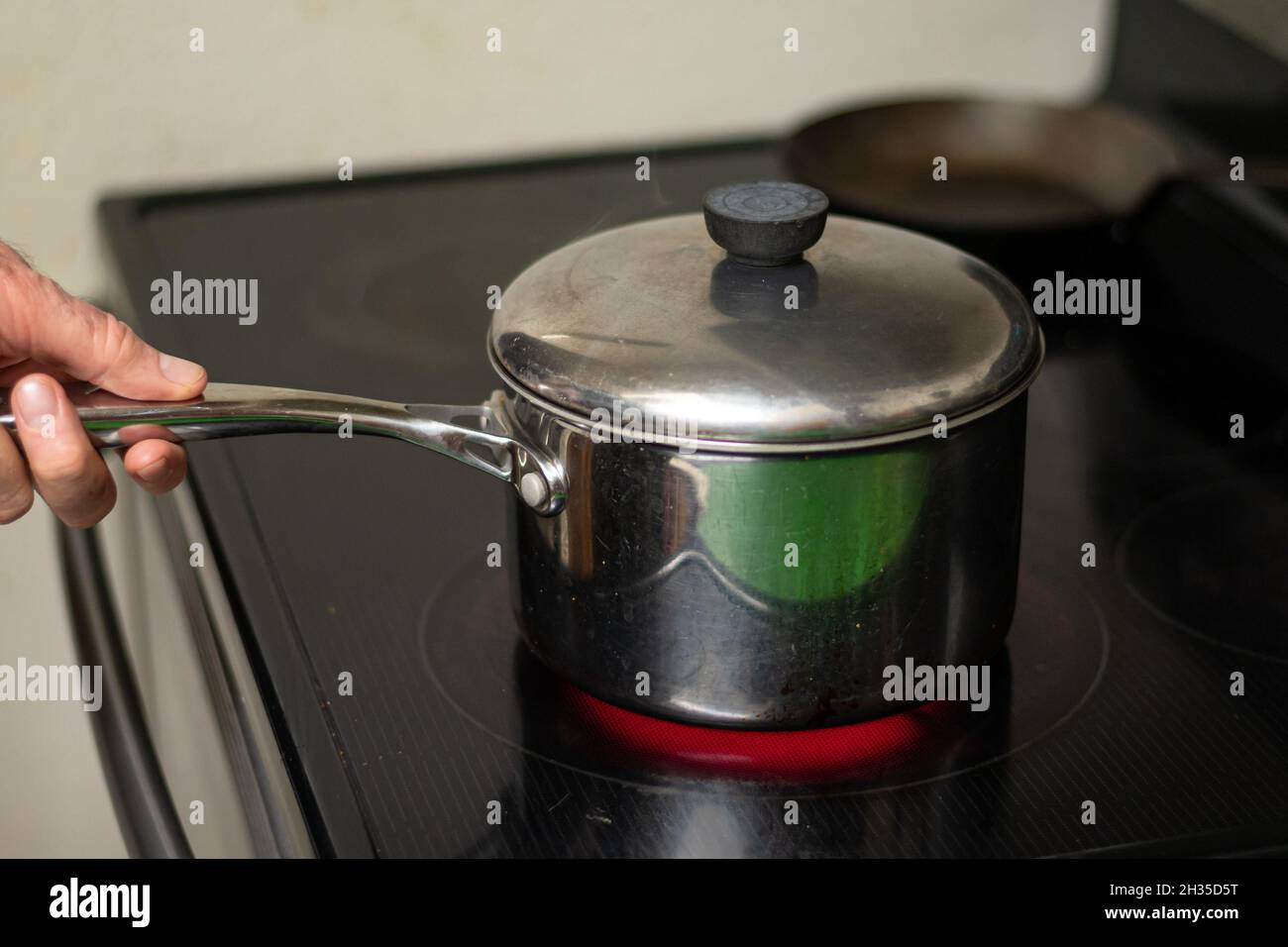
Hey there, home chefs and kitchen enthusiasts! Ever find yourself staring at your shiny new induction stovetop, wondering if your trusty stainless steel pots and pans are ready to join the culinary revolution? You're not alone! Induction cooking is all the rage, and for good reason. It’s incredibly fast, remarkably energy-efficient, and offers such precise temperature control that it feels like you’ve got a secret weapon in your kitchen. Gone are the days of waiting for water to boil for what feels like an eternity, or struggling to keep a delicate sauce from scorching. Induction is all about speed, accuracy, and making your cooking experience a whole lot smoother.
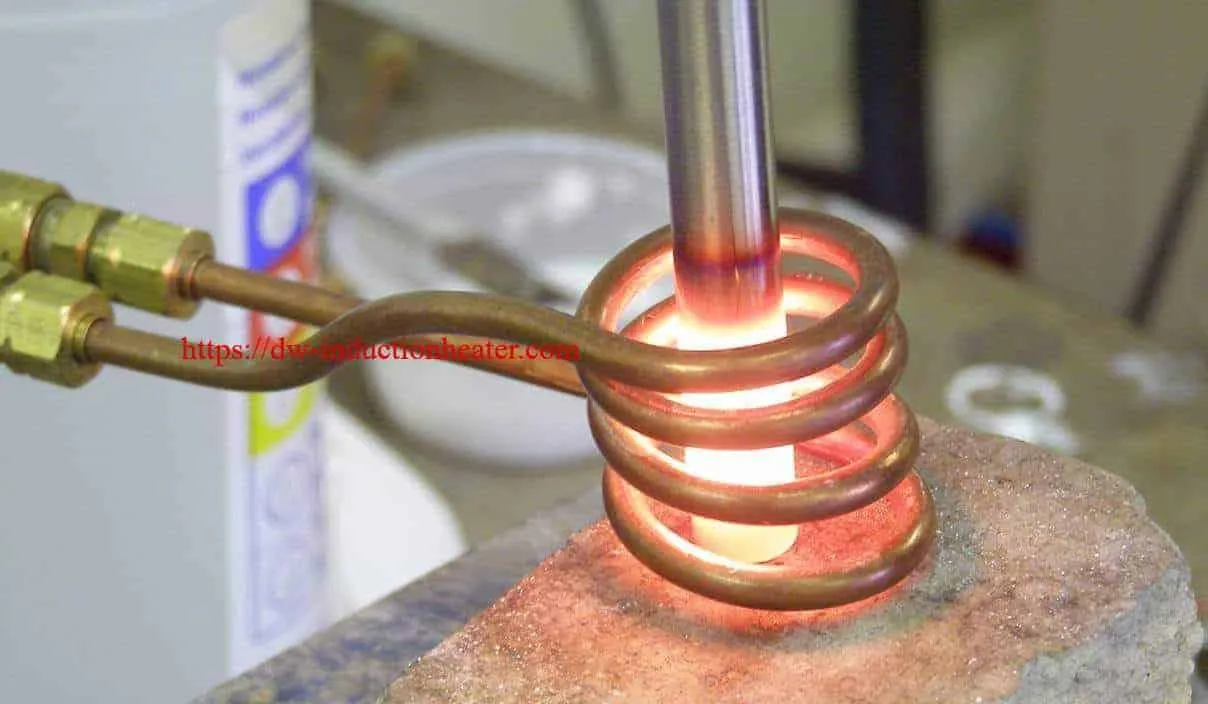
But what about your cookware? This is where the magic of stainless steel and induction really shines! The core purpose of an induction stovetop is to create an electromagnetic field that directly heats the cookware itself. Think of it like a high-tech, invisible heating element. For this to work, your cookware needs to be ferromagnetic – meaning it needs to contain iron or a material that a magnet can stick to. And guess what? Most stainless steel cookware is indeed ferromagnetic!
So, does stainless steel work on induction stoves? The resounding answer is a big, fat YES, for the most part! This is fantastic news because stainless steel is an absolute workhorse in kitchens worldwide. It's prized for its durability, its resistance to staining and corrosion, and its ability to distribute heat evenly. From searing a perfect steak to simmering a rich bolognese, stainless steel is a champion. You’ll find it in everything from everyday saucepans and frying pans to roasting pans and even specialized espresso makers.
Now, how can you ensure your stainless steel cookware plays nicely with your induction cooktop and that you get the most out of this dynamic duo? Here are a few handy tips:
The Magnet Test: Your Golden Rule. The easiest way to know for sure is the trusty magnet test. Grab a refrigerator magnet and see if it sticks firmly to the bottom of your stainless steel pan. If it does, you're good to go! If it doesn’t, it’s likely made from a non-ferromagnetic alloy of stainless steel (like some purely decorative or lightweight options), and it won’t heat on an induction surface. Don't fret, though; many manufacturers clearly label their cookware as "induction compatible."

Look for the Logo. Keep an eye out for the induction symbol on the packaging or the bottom of your cookware. This little icon is your assurance that it's designed to work with induction technology.
Embrace Multi-Ply Construction. Many high-quality stainless steel pots and pans feature a "multi-ply" or "clad" construction. This often involves layers of stainless steel sandwiching a core of aluminum or copper. This not only makes them ideal for induction but also significantly improves heat distribution, preventing hot spots and ensuring beautifully even cooking. You’ll notice a noticeable difference in how your food cooks!
Keep the Base Clean and Flat. For optimal heat transfer, make sure the bottom of your stainless steel cookware is clean and free from any burnt-on food. A flat base also ensures the best contact with the induction surface. A quick wipe down before you start cooking is all it takes!
By following these simple guidelines, you can confidently use your beloved stainless steel cookware on your induction stovetop, unlocking a world of faster, more efficient, and downright enjoyable cooking experiences. Happy cooking!