
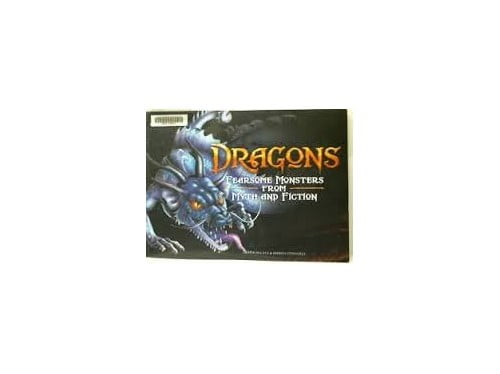
Dragons Fearsome Monsters From Myth And Fiction

There are few creatures as instantly recognizable and utterly captivating as the dragon. For centuries, these magnificent beasts have slithered, soared, and sometimes even snorted their way into our stories and imaginations. They’re the ultimate fantasy monsters, aren't they?
Think about it: massive, scaly bodies, wings that stretch across the sky, and that legendary fiery breath. It’s the stuff of epic quests and bedtime tales. But what if these fearsome creatures aren't always just about breathing fire and hoarding gold?
The Classic Dragon: Big, Bad, and Beautifully Scary
When we hear "dragon," we often picture the ancient, wise, and terrifying kind. These are the ones from old legends, like the ones in the epic poem Beowulf. They’re often portrayed as guardians of immense treasures, sleeping on piles of gold and jewels.
Their roar can shake mountains, and their scales are tougher than any knight’s armor. These dragons are the ultimate challenge, the final boss of many a heroic journey. They represent primal fear, the wild unknown, and the ultimate test of courage.
But even in these classic tales, there’s a certain grandeur to them. They aren't just mindless beasts; they have a presence, a power that commands respect, even if it’s born of terror. Imagine the sheer awe of seeing one for the first time!
When Dragons Get Comfy: The Unexpectedly Domestic
Now, let’s flip the script a little. Not all dragons are locked away in lonely mountain caves. Some are surprisingly integrated into the lives of humans, and not always in a hostile way.
Take the dragons of How to Train Your Dragon. These aren't the world-ending monsters of old. Instead, we meet Toothless, a Night Fury who is more like a giant, scaly, flying cat with a mischievous streak.

The relationship between Hiccup and Toothless is incredibly heartwarming. It shows that fear can be overcome with understanding and a bit of shared adventure. Who knew a dragon could be such a loyal best friend, even if he occasionally eats fish with a little too much enthusiasm?
Then there are dragons that are just… part of the scenery. In some fantasy worlds, dragons might be like majestic, oversized birds of prey, or even used for transportation! It’s a far cry from the classic fire-breathing terror.
The Quirky Dragon: More Than Just Fire
Let's talk about the funny side of dragons. Because, believe it or not, they can be hilarious. They might have a terrible temper, but sometimes that temper leads to accidental comedy.
Imagine a dragon trying to be stealthy but tripping over its own tail. Or a dragon whose fiery breath accidentally sets its own eyebrows alight. These are the moments that make you chuckle.

Dragons, it turns out, can be surprisingly clumsy, delightfully vain, or even a little bit grumpy in the mornings, just like anyone else!
Even when they are supposed to be fearsome, their sheer size and power can lead to comical situations. Picture a dragon trying to pick up a tiny object without crushing it. It’s the giant in the china shop scenario, but with scales and wings.
The Wise and Wonderful Dragon: More Than a Muscle
While some dragons are all about brute force and fire, others are incredibly intelligent and possess ancient wisdom. These dragons are often mentors or keepers of knowledge. They’ve seen ages pass and have a unique perspective on the world.
Think of the dragon Smaug from The Hobbit. Yes, he’s greedy and a formidable opponent, but he’s also incredibly cunning and speaks with a sophisticated, menacing charm. He’s a master of riddles and manipulation.
These dragons aren't just monsters; they are characters with complex personalities. They can be proud, arrogant, but also insightful. They offer a different kind of challenge – one that requires wit as much as bravery.
Sometimes, these wise dragons act as enigmatic guides, offering cryptic advice or posing philosophical questions. They are a testament to the idea that size and power don't equate to a lack of intelligence or depth.
Dragons as Symbols: What Do They Really Mean?
Across different cultures, dragons symbolize a wide range of things. In some Eastern cultures, they are benevolent beings associated with good fortune, strength, and control over water. They are powerful spirits that bring rain and prosperity.
In contrast, Western traditions often portray them as evil creatures to be slain by heroes. This duality is fascinating. It shows how much our interpretations of these myths can change depending on where you stand.
But what unites most dragon stories is their sheer impact. They represent the untamed, the powerful, and the magical. They embody our deepest fears and our grandest aspirations.

Whether they’re hoarding treasure, befriending a brave kid, or just being a bit of a nuisance with their fire, dragons continue to capture our hearts and minds. They are more than just monsters; they are enduring symbols of wonder, power, and the boundless possibilities of imagination.
From Ancient Fear to Modern Friend
It’s amazing how these creatures have evolved in our storytelling. From the terrifying beasts of ancient sagas to the lovable companions of animated films, dragons have adapted. They still retain their power and awe, but they’ve also found new ways to connect with us.
Perhaps it’s their sheer adaptability that makes them so enduring. They can be whatever we need them to be: a symbol of ultimate evil, a majestic guardian, or a loyal, if somewhat slobbery, friend.
So the next time you encounter a dragon in a book, a movie, or even just in your own daydreams, remember that there’s more to them than meets the fiery eye. They are complex, surprising, and wonderfully varied creatures. They are the ultimate testament to the magic of storytelling.