
Dulce Et Decorum Est Pro Patria Mori Poem

Ever stumbled upon a poem that just…sticks with you? Like, you read it once, and it’s in your brain rent-free forever? Today, we’re diving into one of those. It’s called “Dulce et Decorum Est,” and yeah, it sounds fancy, but stick with me, it’s a wild ride.
So, this poem is by a chap named Wilfred Owen, and he was actually there, you know, in World War I. He saw all the messy, awful stuff firsthand. And when he wrote this, it wasn't to sing about heroic soldiers with shiny armor. Nope. It’s more like a…rant. A really, really powerful one.
The title itself, “Dulce et Decorum Est,” is Latin for “It is sweet and fitting to die for one’s country.” Sounds pretty noble, right? Like something you’d see on a war memorial, all grand and heroic. But Owen? He’s basically taking that phrase and throwing it back in everyone’s face. It’s like saying, “Oh yeah, it’s soooo sweet and fitting to die,” while showing you exactly what that death looks like. Ouch.
So, What's the Story?
Imagine this: tired soldiers, wading through mud, exhausted after a battle. They’re basically shuffling along, looking like they’ve been through the wringer. Owen paints this picture with words, like he’s grabbing you by the collar and saying, “Look at this. This is what war really looks like, not the glittery version they sell you.”
They’re described as “old beggars under sacks,” which is a pretty brutal image. No glorious uniforms here, just worn-out, broken-down humans. And they’re “coughing like hags.” Again, not exactly the picture of youthful vigor, is it?
Then, BAM! Alarm bells ring. The enemy is attacking. And it's not a clean, organized attack. It's a gas attack. Ever seen those old war movies where they’re scrambling for gas masks? It’s that, but way more terrifying.
They’re scrambling, fumbling, trying to get their masks on. And Owen focuses on one poor guy who doesn't quite make it. He’s left behind, exposed to the poison. This is where the poem gets really intense, and honestly, a little hard to read, but that’s kind of the point.
The Worst Bit
Owen describes this soldier’s struggle to breathe, like he’s drowning. He calls it a “gargling from the froth-corrupted lungs.” Gross, right? But again, he’s not shying away from the truth. He’s showing you the raw, unglamorous horror of it all.
And get this: Owen says he can see this soldier’s death in his dreams. He sees him “flound’ring like a man in fire or lime.” Imagine that. Being burned alive, but not by flames. By gas. It’s a visceral, horrifying image that sticks with you.
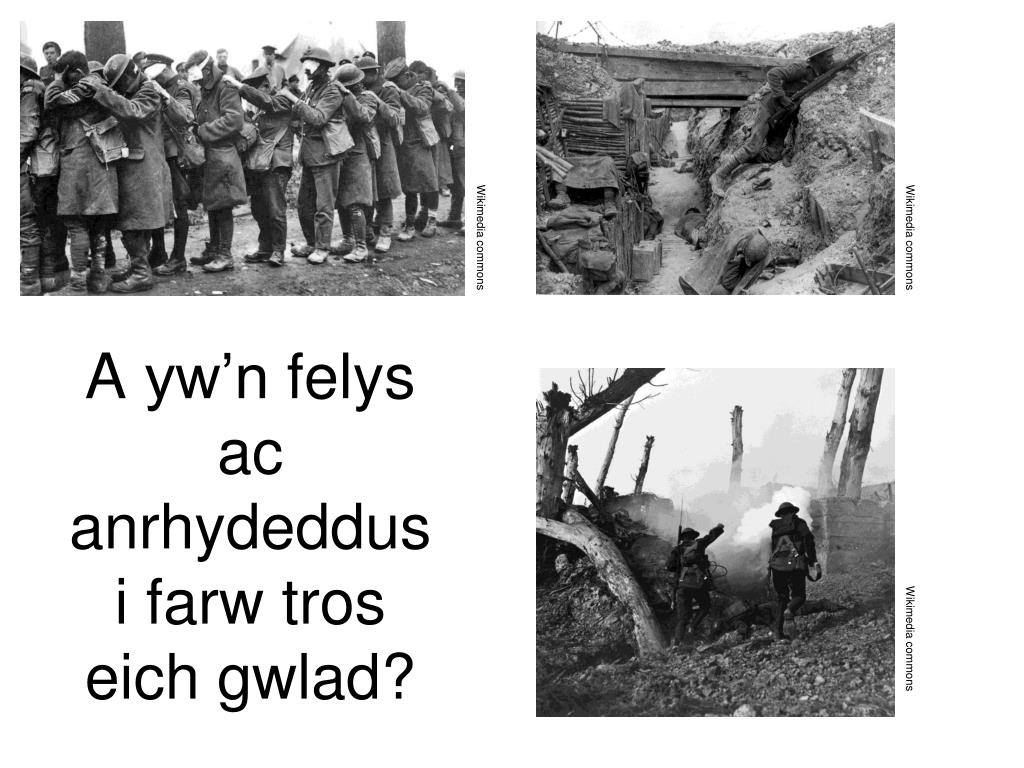
The soldiers who made it, the ones who did get their masks on, they’re just watching this unfold. They’re helpless. They can only watch their comrade die a slow, agonizing death. It’s not a moment of brave camaraderie; it’s a moment of pure, unadulterated terror and loss.
So, Why is This "Cool" or "Interesting"?
Okay, “cool” might not be the first word that comes to mind when you’re talking about a man drowning in poison gas. But it’s interesting, right? In a really profound way.
Think about it. Before poems like this, war was often presented as this grand, epic adventure. Knights in shining armor, brave speeches, and everyone coming home a hero. It was a story designed to make people feel good about fighting.
Owen, though? He rips that narrative to shreds. He’s like, “Hold up. That’s not what it’s like. Let me tell you about the real cost.” He’s an early example of someone saying, “Hey, propaganda isn’t always the truth.”
It’s like comparing a heavily filtered Instagram picture to a gritty, raw documentary. The Instagram picture might look nice, but the documentary shows you what’s really going on. Owen’s poem is that documentary.
And because he lived through it, his words have this incredible weight. They’re not just made-up stories; they’re the testimonies of someone who experienced the absolute worst. It’s like hearing a story from someone who’s been bungee jumping blindfolded and then tells you, “Yeah, the view was okay, but the feeling of plummeting towards the earth was pure terror.” You’re going to believe them.
The Power of Truth, Even When It Hurts
This poem forces you to confront the brutal reality of war. It’s not about glory or honor; it’s about suffering, fear, and the utter destruction of human life. It’s a stark reminder that behind every statistic, every patriotic slogan, there are real people with real fears and real pain.
It’s a bit like those historical reenactments that try to show you what life was really like in ancient times. Maybe it’s not all feasts and fancy clothes; maybe it’s also mud, disease, and hard labor. Owen’s poem is the anti-war reenactment, showing the mud, the gas, and the desperate struggle for survival.
And that Latin phrase? “Dulce et decorum est pro patria mori”? Owen turns it on its head. He implies that it’s not sweet or fitting to die that way. It’s a tragedy. It’s a waste. It’s a betrayal of the young lives that are so carelessly thrown away.
So, the next time you hear about war or patriotism, take a moment to remember Owen’s poem. It’s a powerful antidote to any romanticized notions. It’s a call to remember the human cost, the real suffering, and to question those grand pronouncements about dying for your country. It’s a poem that, unfortunately, remains relevant, a chilling reminder that war is never sweet, and rarely fitting.