
Eustachian Tube Dysfunction And Flying

Ah, the siren song of travel! Whether it's that much-anticipated beach getaway, a whirlwind city break, or a pilgrimage to see your favourite band in a faraway land, flying is often the key that unlocks those adventures. But for some of us, the ascent and descent can feel less like a gentle lift-off and more like a pressure cooker experience for our ears. We're talking about Eustachian tube dysfunction (ETD) and its rather unwelcome encore performance every time the plane changes altitude.
Let's face it, nobody wants to spend their precious travel time with that stuffed-up, popping, and sometimes downright painful ear sensation. It can turn the thrill of takeoff into a dull ache and the joy of landing into a desperate search for relief. But before you start contemplating a cross-country road trip or, you know, not going, let's dive into the wonderful world of your Eustachian tubes and how to keep them happy during your flight. Think of it as giving your ears a little VIP treatment.
The Tiny Tube with a Big Job
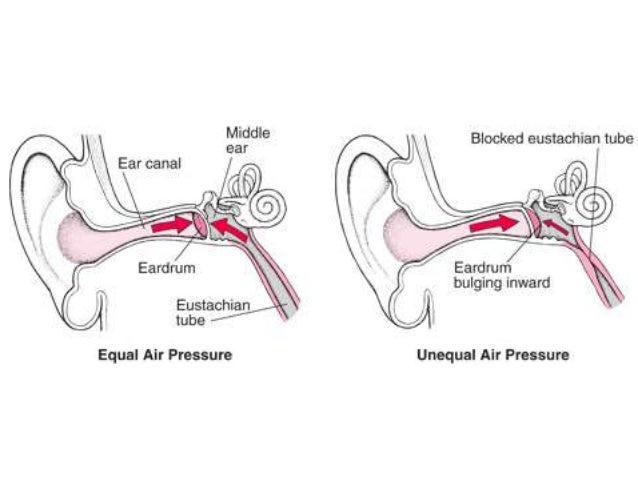
So, what exactly is this Eustachian tube, and why does it cause such a fuss? Imagine a tiny, elegant passageway, about the size of a pencil lead, connecting the middle ear to the back of your throat. Its mission? To equalize pressure between the outside world and the delicate environment of your middle ear. It’s like a miniature airlock, ensuring that as the airplane climbs and the external pressure drops, the pressure inside your ear doesn’t get left behind. Similarly, as the plane descends and external pressure increases, the tube opens up to let that pressure equalize. Pretty clever, right?
When this little guy is functioning perfectly, you might not even notice it. It’s the silent hero of comfortable flying. But when it gets a bit grumpy – usually due to inflammation from a cold, allergies, or sinus issues – it can become blocked or swollen. This is ETD, and it’s like trying to pass a large elephant through that tiny pencil-lead-sized opening. The result? That uncomfortable feeling of fullness, muffled hearing, and that characteristic popping or crackling sound.
When Your Ears Decide to Go on Strike
The symptoms of ETD during flying are pretty standard. You’ll likely feel that pressure build-up, particularly during descent when the air outside is pushing harder. This can range from a mild annoyance to a sharp, stabbing pain. Your hearing might feel muffled, like you're listening through cotton wool. You might also experience a popping or clicking sensation, or even a feeling of imbalance. For some, it can be accompanied by a ringing in the ears (tinnitus).
Think of it like trying to listen to your favourite podcast on a dodgy internet connection. The audio is distorted, intermittent, and just plain frustrating. Your ears are trying to process crucial information (pressure changes), but the connection is poor, leading to that unpleasant sensory feedback.

Navigating the Skies: Your Pre-Flight Ear Care Toolkit
The good news is that you're not powerless against ETD! With a little preparation and some smart strategies, you can make your flights much more comfortable. It's all about being proactive and giving your Eustachian tubes the best possible chance to do their job.
Hydration Station: This is foundational, folks. Drink plenty of water before, during, and after your flight. Dehydration can thicken mucus, making those tubes even more prone to clogging. Think of it as lubricating the system. Carry your own reusable water bottle and take advantage of water refills. It’s good for you, good for the planet, and great for your ears.
The Power of the Chew: On ascent and descent, the key is to get those tubes to open. The simplest way? Chewing gum or sucking on hard candies. The act of swallowing and the movement of your jaw help to open the Eustachian tubes. It’s the same principle as why babies often cry on descent – they’re swallowing and crying, which can help equalize pressure. So, next time you’re rummaging for a snack, think of it as an ear-saving manoeuvre. Bonus points if you choose a flavour that reminds you of a happy memory, like the minty freshness of a childhood holiday.
The Valsalva Maneuver: This one sounds a bit medical, but it's quite straightforward. Gently pinch your nostrils shut and then try to exhale softly through your nose. It’s like a controlled puff. The idea is to force air up into the Eustachian tubes and help open them. Don’t blow too hard – you don't want to damage anything! It’s a delicate dance, not a wrestling match. Many pilots and frequent flyers swear by this technique.

Yawning is Your Friend: Similar to chewing, yawning widely also opens up the Eustachian tubes. If you can’t summon a genuine yawn (though airplane air often does the trick!), try a forceful fake yawn. It’s a bit silly, but it works!
Nasal Sprays: Your Secret Weapon: If you’re prone to congestion from allergies or a cold, a decongestant nasal spray can be a lifesaver. Use it about 30 minutes to an hour before takeoff and again before landing. It helps shrink the swollen tissues in your nasal passages and around the opening of the Eustachian tubes, making it easier for them to function. Just be sure to follow the instructions and don’t overuse it, as some can have a rebound effect.
Avoid Flying Sick: This is a big one. If you're already suffering from a head cold or significant sinus congestion, flying can exacerbate your symptoms. If possible, try to postpone your trip until you're feeling better. If that's not an option, talk to your doctor about pre-flight medication. They might recommend specific decongestants or even short-term steroid nasal sprays.

Earplugs? Maybe, but the right kind: There are special pressure-equalizing earplugs designed for flying. They have a filter that helps regulate the rate at which pressure changes. They’re not a cure-all, but they can provide some relief for mild ETD. They work by slowly releasing the pressure from the ear canal, allowing it to match the ambient pressure more gradually. Think of them as a shock absorber for your ears.
Beyond the Flight: When to Seek Professional Help
While most cases of ETD during flying are temporary and manageable, it’s worth noting when you should consult a medical professional. If you experience persistent pain, significant hearing loss, discharge from the ear, or if your ETD symptoms are chronic and interfere with your daily life, it's time to see an ear, nose, and throat (ENT) specialist.
They can diagnose the underlying cause of your ETD and recommend more targeted treatments, which might include prescription medications, allergy management, or even minor procedures if necessary. It’s like taking your car to the mechanic when the engine light comes on – better to get it checked out before it becomes a major issue.
A Little Bit of Ear-ducation: Fun Facts!
Did you know that the Eustachian tube is named after Bartolomeo Eustachi, an Italian physician from the 16th century? He was quite the anatomist! And here’s a fun one: the tube is generally closed and only opens when you swallow, yawn, or chew. This is why those actions are so effective at helping to equalize pressure. It’s a biological design that’s been around for millennia, long before airplanes were even a twinkle in an inventor’s eye.
Another interesting tidbit is that ETD can sometimes be a symptom of a larger issue, like sleep apnea. So, if you're experiencing ongoing ear problems, it's always worth a full medical assessment. It’s a reminder that our bodies are interconnected, and sometimes a seemingly minor issue can be a clue to something more significant.
The Takeaway: Making Travel a Breeze
Flying with ETD doesn’t have to be a recurring nightmare. By arming yourself with these simple, practical tips, you can significantly improve your comfort and ensure that your journeys are filled with anticipation and excitement, not ear discomfort. Think of it as adding a few essential tools to your travel kit, right alongside your passport and your favourite playlist.
The next time you’re looking forward to that flight, remember the humble Eustachian tube. Give it some love, give it some hydration, and give it a little help with a well-timed chew or yawn. It’s these small, mindful actions that can make a world of difference, allowing you to truly relax and enjoy the magic of reaching new heights and exploring new horizons.
A Moment of Reflection
It's fascinating how a tiny, unseen part of our anatomy can have such a profound impact on our experiences. Our Eustachian tubes, silently working to keep our inner ear in balance, are a testament to the intricate engineering of the human body. And when they’re not quite cooperating, it serves as a gentle reminder to be present, to listen to our bodies, and to be kind to ourselves. Just as we might consciously choose to slow down and enjoy a good cup of coffee, or take a moment to appreciate a beautiful sunset, we can also be mindful of the subtle signals our bodies send us. By understanding and addressing issues like ETD, we’re not just aiming for a pain-free flight; we’re practicing a more holistic approach to well-being, one that extends from the pressure in our ears to the peace in our minds. So, the next time you’re boarding a plane, approach it not with dread, but with a toolkit of gentle self-care, ready to embrace the journey with open ears and an open heart.