
Exercises For Eustachian Tube Dysfunction

Ever feel like your ears are playing a game of hide-and-seek with sound? One minute you're enjoying your favorite podcast, the next it's like someone suddenly muffled everything with a giant sock. Yep, we've all been there. This weird ear-muffling sensation, often accompanied by a little popping or crackling, can be a sign of something called Eustachian tube dysfunction. Sounds fancy, right? But really, it's just your Eustachian tube having a bit of a tantrum.
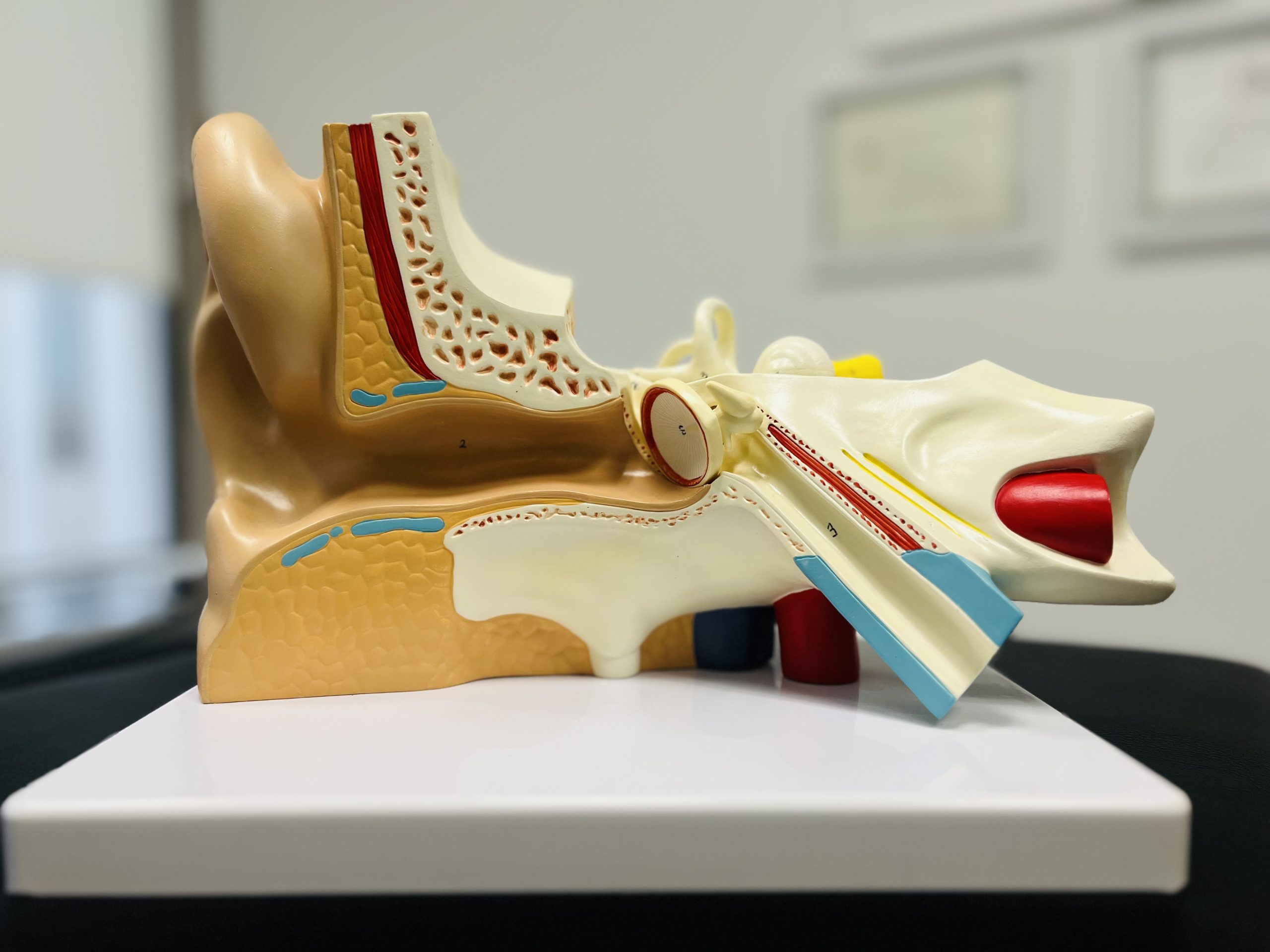
So, what exactly is this Eustachian tube we're talking about? Think of it as a tiny, magical passageway connecting the back of your throat to your middle ear. Its main job is to, well, equalize pressure. You know when you're on an airplane and your ears go "POP!" as you ascend or descend? That's your Eustachian tube doing its thing, letting air in or out to match the pressure outside. Pretty neat, huh? It also helps drain any gunk that might build up in your middle ear, keeping things nice and tidy. It’s like the little janitor of your ear!
But sometimes, this little janitor gets blocked. Imagine a traffic jam on a tiny freeway. This can happen for a bunch of reasons: a common cold, allergies, sinus infections, or even just dramatic changes in altitude. When the Eustachian tube gets blocked, that pressure equalization goes out the window, and that's when you get that plugged-up, underwater feeling. It’s like your ears are living in a different atmospheric pressure zone than the rest of your head!
Now, before you start Googling for a mad scientist who can surgically reroute your ear canals (please don't!), there are actually some pretty cool and surprisingly simple things you can do right at home to help your Eustachian tube chill out and get back to business. We’re talking about exercises, my friends. Yes, you can exercise your Eustachian tube! Isn't that wild?
The Gentle Unblocking Toolkit
The goal with these exercises is pretty straightforward: to gently encourage the Eustachian tube to open up and do its job. We're not talking about intense workouts here; think more like gentle stretches and mindful movements. It’s all about coaxing, not forcing.
The Classic "Pop" – Valsalva Maneuver (The Grown-Up Version)
You’ve probably done a version of this without even realizing it. The Valsalva maneuver is basically holding your breath and gently blowing air out through your nose. Think of it like gently puffing out a dandelion. How do you do it?
First, take a normal breath. Then, gently pinch your nostrils closed with your fingers. Now, with your mouth closed, try to gently blow air out through your nose. Don't huff and puff like you're trying to win a balloon-blowing contest! It's a very light, controlled puff. You might feel a little pop or a click in your ears. That's a good sign! If you don't feel anything, try again, but still keep it gentle. It’s like trying to get a stubborn jar lid to budge – a little twist, not a full-on Hulk smash.

Important Note: Be gentle with this one. You don't want to blow so hard that you hurt yourself. If you have any ear pain or feel worse, stop immediately. This is for relief, not for creating new problems!
The "Yawn and Swallow" Combo – Nature's Own Decongestant
This one is so simple, you might be tempted to dismiss it. But honestly, yawning and swallowing are surprisingly effective. When you yawn, your soft palate and the muscles around your Eustachian tube open up. Swallowing does something similar. So, why not combine them?
Try to take a big, exaggerated yawn. Really stretch those jaw muscles. Then, immediately after the yawn, swallow. You can even try swallowing a sip of water to give it an extra boost. Repeat this a few times. It’s like giving your Eustachian tube a little wake-up call and a gentle nudge to open.
Think of it like this: your Eustachian tube is a tiny door, and yawning and swallowing are like jingling the doorknob and giving it a little push. Sometimes, that’s all it needs to swing open.
The "Chew It Up" Method – Like a Tiny Ear Massage
This one is almost too easy. Chewing gum is actually a fantastic way to help your Eustachian tubes. Why? Because the act of chewing and swallowing stimulates the muscles that open the tubes. Plus, who doesn’t love an excuse to chew gum?
So, grab your favorite flavor of gum and get to it! Chew it as you normally would, and make sure to swallow. You can even try chewing with your mouth slightly more open to engage those muscles a bit more. It's like giving your Eustachian tubes a mini-massage from the inside out.
Imagine your jaw working like a tiny, gentle pump, pushing things in the right direction. And the best part? You get fresh breath as a bonus! It’s a win-win situation.
The Toynbee Maneuver – A Softer Approach
This is another technique that involves swallowing, but with a slight variation. It's often considered a bit gentler than the Valsalva maneuver, which is great if you're feeling particularly sensitive.

To perform the Toynbee maneuver, gently pinch your nostrils closed with your fingers. Then, instead of blowing, simply swallow. You can swallow water or even just make a swallowing motion. Again, the goal is to create a slight negative pressure that can help draw open the Eustachian tube.
It's like a gentle tug on a rope, rather than a forceful pull. This can be especially helpful if you find the Valsalva maneuver a bit too intense. Listen to your body, and choose the method that feels most comfortable for you.
The Ostiomeatal Complex "Blow" – For the More Adventurous (and Careful!)
This one is a bit more involved and is often used by people with more persistent issues, but it's still a home-based exercise. It focuses on clearing the tiny openings that connect your sinuses to your Eustachian tubes. It's sometimes referred to as "auto-insufflation."
Here's the idea: you're trying to use your breath to create a gentle pressure that helps open up these crucial areas. You can do this by using a specialized device, like a rhino horn (yes, that’s a real thing, and no, it’s not for elephants!) or a device called a politzer bag. These devices help direct a gentle puff of air into your nasal passages while you perform a swallowing or yawning motion.

Disclaimer: This is a bit more advanced, and it's highly recommended to consult with a doctor or an audiologist before trying this. They can show you the proper technique and ensure you're doing it safely. Think of it like learning to ride a bike with training wheels – you need a little guidance at first to avoid a tumble.
When to Call in the Experts
While these exercises can be incredibly helpful, it's important to remember they are not a magic bullet for every ear issue. If you're experiencing persistent ear pain, significant hearing loss, dizziness, or discharge from your ear, it's crucial to see a healthcare professional. These could be signs of something more serious that requires medical attention.
Also, if you've been trying these exercises for a while and aren't seeing any improvement, it’s a good idea to get checked out. Your doctor can help diagnose the underlying cause of your Eustachian tube dysfunction and recommend the best course of treatment for you. Sometimes, it might be something as simple as prescribed nasal sprays for allergies, or in more complex cases, further medical interventions might be needed.
But for those everyday moments of ear fuzziness, these simple, curious exercises can be your secret weapon. So next time your ears feel a little off, give them a gentle nudge, a little yawn, or a good chew. You might be surprised at how quickly your ears can get back to their crystal-clear, sound-capturing best!