
Facts About The New Mexico State Flag
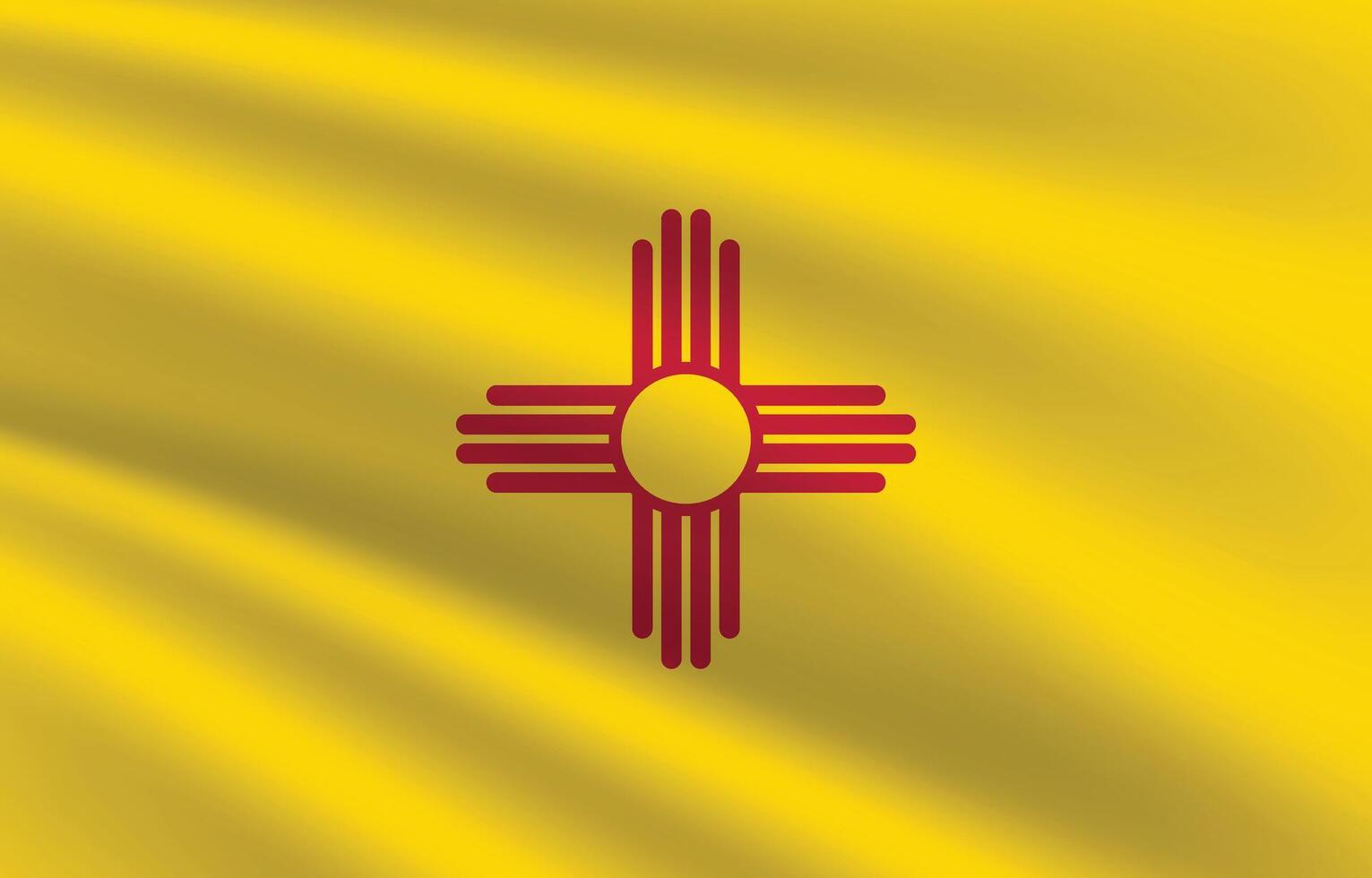
I remember the first time I really noticed the New Mexico flag. I was a kid, probably lost somewhere in a dusty antique shop in Santa Fe, poking at some vaguely interesting-looking pottery. My dad, bless his patient soul, was scanning through old postcards. And then there it was, flapping gently on a wall – a simple, elegant design that just… stuck with me. Unlike, say, the Texas flag that screams "I'm big and I'm here!" or the California flag with its rather earnest bear, New Mexico's had this quiet confidence. It felt ancient, somehow. Mysterious. I remember asking my dad what the symbol was, and he just shrugged, saying something about it being an old Indian symbol. Little did I know, that was just the tip of the iceberg.
So, what's the deal with this swoon-worthy flag that makes even a jaded traveler stop and stare? It's not just a pretty piece of cloth, you know. It's got history, a dash of controversy (because what doesn't in New Mexico?), and a story that’s surprisingly rich for such a minimalist design. Let's dive in, shall we? Grab your coffee, your tea, or maybe a cool glass of agua fresca, because we’re about to unwrap the secrets of the Zia sun symbol and its flaggy home.
The Star of the Show: The Zia Sun Symbol
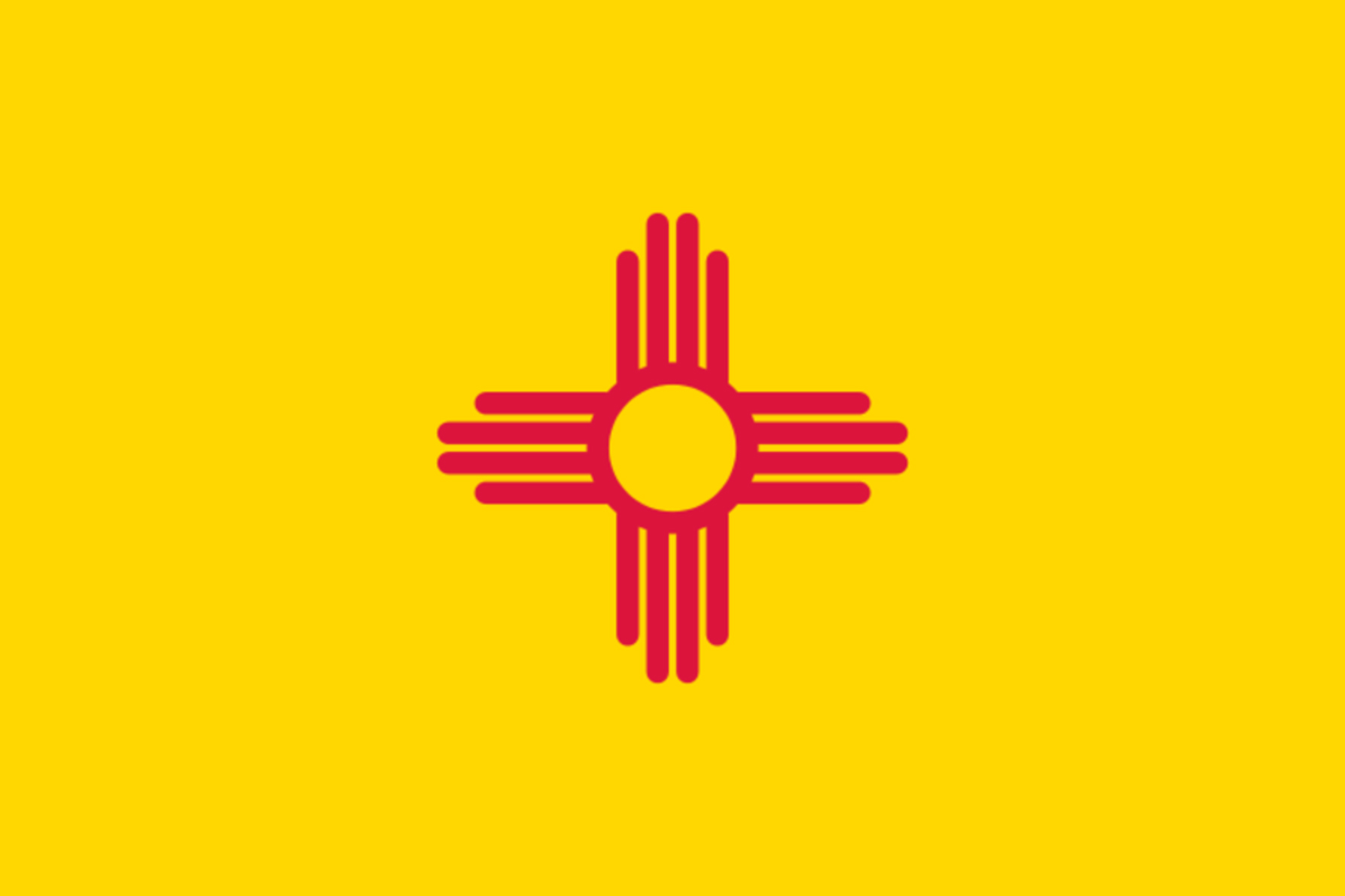
Okay, let's get this out of the way first. That big, bold symbol in the middle? It's not just a generic sun. It's the Zia sun symbol. And before you go thinking, "Oh, another pretty Native American design," hold your horses. This symbol is deeply sacred to the Zia Pueblo people. It's their heritage, their spirituality, their very identity distilled into four cardinal directions, four seasons, four times of day (dawn, noon, afternoon, night), and four elements of life (blood, mind, body, spirit). See? It’s not just four lines and a circle, my friends. It's a whole philosophy packed into one iconic image.
The symbol has four main rays extending from the center circle, and each ray has four smaller lines extending from it. That makes 16 rays in total. Count 'em! The Zia people believe these numbers represent important aspects of their culture and cosmology. It’s a testament to the fact that even the simplest-looking things can hold profound meaning. It’s like finding a perfectly smooth river stone – it might look plain, but pick it up, and you can feel the centuries of water and earth shaping it. That's the Zia sun symbol for you.
Now, here's where things get a little spicy. For a long time, this symbol was used pretty freely. Think postcards, t-shirts, you name it. But the Zia people rightfully pointed out that this was their sacred symbol, not just some quirky local art to be slapped on everything. This led to some important discussions and, eventually, legal protections around the use of the Zia sun symbol. It's a powerful reminder that cultural appropriation is a real thing, and we need to be mindful and respectful of the origins and significance of symbols, especially those tied to indigenous cultures. So, the next time you see it, give a little nod of respect, okay?
A Little Bit of History, A Whole Lot of Drama (Sort Of)
The flag as we know it today wasn't always this way. It actually came about thanks to a state flag design contest back in 1925. Can you imagine that? A contest to decide the official flag! I can just picture the entries rolling in – probably a lot of eagles, maybe some mountains, and definitely a few questionable artistic interpretations of "New Mexico." Thankfully, a woman named Pauline Pickard, who was the regent of the New Mexico Museum, saw potential in a design submitted by Dr. Harry Mera. Dr. Mera was an Albuquerque doctor and an archaeologist, which explains his keen eye for historical and cultural elements.
His design? You guessed it: the Zia sun symbol on a field of yellow. The story goes that Dr. Mera found an old Zia pot with the symbol on it during an archaeological dig. He was apparently quite taken with its beauty and significance. And Pauline? She just knew it was the one. The yellow background? That's said to be inspired by the colors of the Spanish flag, a nod to the region's colonial past. It’s like a little visual history lesson, isn’t it? Yellow, representing the sun and the Spanish influence, and the Zia symbol, representing the indigenous soul of the land.
The contest was a bit of a kerfuffle. Apparently, there were some debates about the design and who actually submitted it. Some accounts say Dr. Mera submitted it, others that it was a collaborative effort, or that Pauline Pickard championed it so fiercely it became adopted. The truth, as is often the case, might be a bit more complex. But what’s undeniable is that the Zia sun symbol, on that specific shade of yellow, won out and has been the proud banner of New Mexico ever since.
Why Yellow? And Why the Sun?
Let’s circle back to that sunny disposition. The yellow background isn't just some random choice. As I mentioned, it's widely believed to be a nod to the Spanish explorers who brought their own flags, often featuring yellow or gold, to the region. Think of Isabella and Ferdinand, the Catholic Monarchs, and their golden age of exploration. That rich history is woven into the fabric of New Mexico, and the yellow on the flag is a subtle, elegant reminder of that. It’s a way of saying, "We acknowledge our past, all of it."
And the sun? Well, New Mexico is often called the "Land of Enchantment," and it's also known for its incredible sunshine. Seriously, if you like sunshine, New Mexico is your place. It’s bright, it’s clear, and it’s often breathtaking. The sun is a powerful symbol across many cultures, representing life, energy, and enlightenment. For the Zia people, it's even more profound, as we've discussed. So, the combination of the Spanish-influenced yellow and the deeply significant Zia sun symbol creates a flag that's both historically resonant and spiritually powerful.
It's funny how a simple color choice can carry so much weight. Imagine if they had picked, I don't know, beige. The flag would probably blend into the adobe walls and no one would ever notice it. But yellow? It pops. It demands attention, but in a gentle, inviting way. It’s like a warm embrace from the desert sun. And the Zia symbol? It’s the beating heart of that embrace. It’s a perfect synergy, really.

The "Official" Story vs. The Whispers
You know how in families, there are the official stories and then there are the little whispers and anecdotes that add color? The New Mexico flag is kind of like that. The official narrative is that Dr. Harry Mera submitted the winning design in 1925, featuring the Zia sun symbol on a yellow field. It was adopted by the legislature and became the official state flag.
But then you hear other things. Stories about the design being inspired by an old Zia pot, or how Pauline Pickard was the real driving force behind its adoption. There are even debates about whether Dr. Mera was even the sole designer. And, of course, the whole legal aspect of protecting the Zia symbol is a more recent, but crucial, part of its story. It's a testament to how living symbols evolve and gain new layers of meaning and protection over time.
It's actually kind of cool, though, that a flag can have these layers of interpretation and historical debate. It means people care about it. It means it's not just a sterile piece of civic iconography. It’s a symbol that people engage with, question, and continue to interpret. It’s a flag that lives.
The Symbol of New Mexico's Identity
So, what does the New Mexico flag really represent? Beyond the history and the symbols, it’s the emblem of a state that’s a fascinating blend of cultures. You have the indigenous roots, the Spanish colonial legacy, the influences of Anglo settlers, and the vibrant, diverse population that calls New Mexico home today. It's a place where ancient traditions meet modern life, where stunning natural beauty coexists with rich artistic expression.
The flag, with its simple yet profound design, manages to encapsulate this complexity. The Zia sun symbol speaks to the deep spiritual connection to the land that has existed for millennia. The yellow field hints at the historical tapestry woven by different cultures. It’s a flag that doesn't boast, but rather invites you to discover its depths. It’s a quiet invitation to explore the magic of New Mexico.
Think about it: when you see this flag, what do you feel? Do you picture vast deserts under an endless blue sky? Do you imagine ancient pueblos bathed in golden light? Do you sense the echoes of conquistadors and Native American wisdom? It's a flag that can evoke so many images and feelings, and that’s its power. It’s a true reflection of the unique spirit of New Mexico.
The Power of Simplicity
In a world that's often cluttered and complicated, there’s something incredibly appealing about a flag that’s so beautifully simple. The New Mexico flag is a masterclass in design. It uses a limited color palette and a single, powerful symbol to create an image that is instantly recognizable and deeply meaningful. It doesn't try to cram in every single aspect of the state onto a piece of fabric.
Instead, it focuses on a core element – the Zia sun symbol – and lets that speak volumes. It’s a reminder that sometimes, less really is more. This simplicity makes it incredibly effective. It’s easy to reproduce, easy to remember, and easy to appreciate. It’s the kind of design that stands the test of time, much like the ancient cultures it represents.
I mean, compare it to some other state flags. Some are just a jumble of seals, text, and multiple emblems. They're busy, almost overwhelming. The New Mexico flag, on the other hand, is clean. It’s elegant. It’s sophisticated. It’s like a perfectly brewed cup of coffee – simple ingredients, perfect result. And when you understand the meaning behind that simplicity? It becomes even more impressive. It’s a design that tells a story without saying a word, or at least, without too many words.
More Than Just a Symbol: A Sacred Trust
As I touched on earlier, the story of the Zia sun symbol and its use on the state flag also highlights a critical contemporary issue: the respect and protection of indigenous cultural heritage. The Zia Pueblo people have been incredibly generous in allowing their sacred symbol to be part of New Mexico's identity. But as its popularity grew, so did the need to ensure its sacredness was maintained.
This led to legal frameworks and agreements to prevent its unauthorized commercial use and to ensure it is displayed with respect. It's a powerful lesson for all of us. When we encounter symbols and traditions from different cultures, especially those of indigenous peoples, we need to approach them with a sense of awe and responsibility. They are not just aesthetic elements; they are often deeply rooted in spiritual beliefs and cultural practices.
The fact that the state flag of New Mexico incorporates such a sacred symbol is a unique and, frankly, beautiful aspect of its identity. It's a constant reminder of the land's ancient guardians and the enduring power of their traditions. It’s a visual representation of a shared heritage, and the ongoing dialogue about how to honor and protect that heritage. It’s a sign that New Mexico, in its own way, is learning and evolving in its understanding of history and cultural respect. And that, my friends, is something truly worth celebrating.
So, the next time you see that iconic Zia sun on a yellow background, take a moment. Appreciate its aesthetic beauty, yes, but also remember the deep history, the cultural significance, and the sacred trust it represents. It’s a flag that does more than just mark a territory; it tells a story. And it’s a story that continues to unfold.