
Fun Facts About Alkali Metals
Alright, buckle up, buttercups, because we're about to dive into the wonderfully wild world of alkali metals! These guys are the life of the periodic table party, and trust me, they've got some seriously cool tricks up their sleeves. Think of them as the rockstars of chemistry – a little bit dramatic, incredibly reactive, and undeniably captivating.
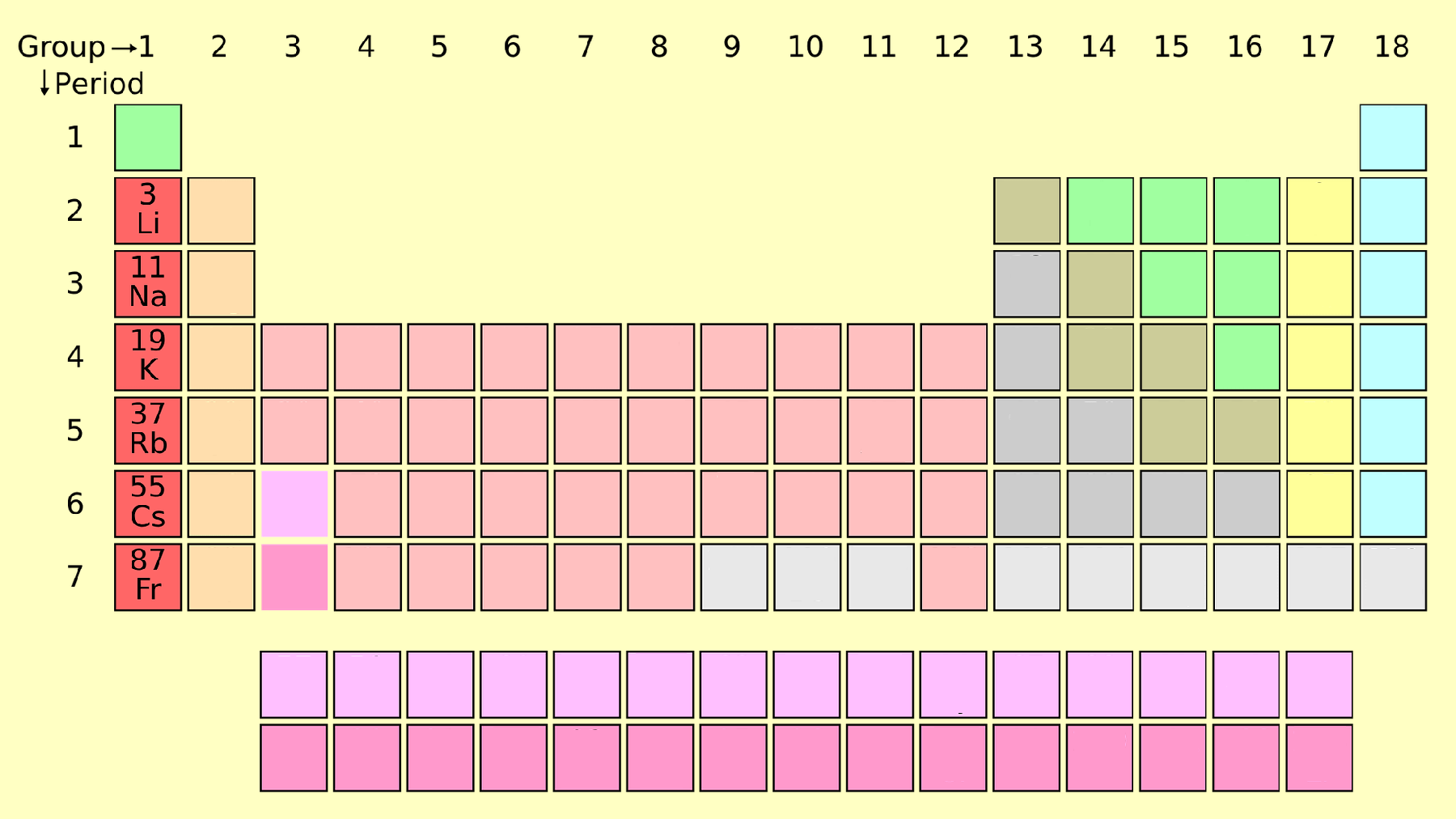
First things first, let's meet the gang. We've got Lithium (Li), Sodium (Na), Potassium (K), Rubidium (Rb), Cesium (Cs), and Francium (Fr). Now, Francium is a bit of a loner, super rare and a tad unstable, so we'll mostly be focusing on its flashier, more abundant cousins.
So, what makes these elements so darn special? Well, they're all in the same group on the periodic table for a reason: they’re super eager to get rid of just one electron. Imagine them at a party, each holding a single, coveted party favor. They’re practically begging someone to take it off their hands! This eagerness is what makes them so… well, reactive.
Let's talk about Sodium (Na) first. You know that stuff you sprinkle on your fries to make them taste amazing? Yep, that's a form of sodium! But here’s the kicker: pure sodium is NOT something you want to mess with. It's a silvery, soft metal that, if you plop it in water, goes absolutely bonkers. It’s like a tiny, metallic firecracker! It fizzes, pops, and can even set itself alight in a spectacular, albeit slightly terrifying, display. So next time you’re enjoying your salty snack, just remember the wild side of its main ingredient!
Then there's Lithium (Li). This little guy is probably the most famous for its starring role in your phone, your laptop, and even your electric car! Those rechargeable batteries that keep our modern lives humming? They’re powered by lithium-ion batteries. So, in a way, lithium is the unsung hero of your Netflix binge and your ability to doomscroll on the go. Pretty neat, huh? And just like its pals, pure lithium is also quite the character. If you were to put a piece of it in water, it would fizz and dance around, though maybe not quite as dramatically as sodium. It’s more of a spirited shimmy than a full-blown rave.

Now, let's talk about Potassium (K). This is another essential element, not just for the periodic table, but for you! Potassium is super important for keeping your heart beating steadily and your muscles working properly. Ever had a banana? Guess what's packed with potassium? That's right, this everyday fruit is a mini-powerhouse of this alkali metal! It’s a gentle reminder that even the most reactive elements have a crucial role in keeping us all alive and kicking. It’s a bit like a superhero who has a secret identity as a friendly neighborhood grocery item.
What about Rubidium (Rb) and Cesium (Cs)? These two are the more flamboyant members of the alkali metal family. They’re even more reactive than sodium and potassium! Cesium, in particular, is famous for being the one that gets so excited by light that it can actually release electrons. This property is used in atomic clocks, the super-precise timekeepers that keep our GPS systems and internet running smoothly. So, when you’re relying on Google Maps to get you to your destination, you’re indirectly thanking cesium for being so dazzlingly responsive to light! It's like the celebrity of the alkali metals, always ready for its close-up.
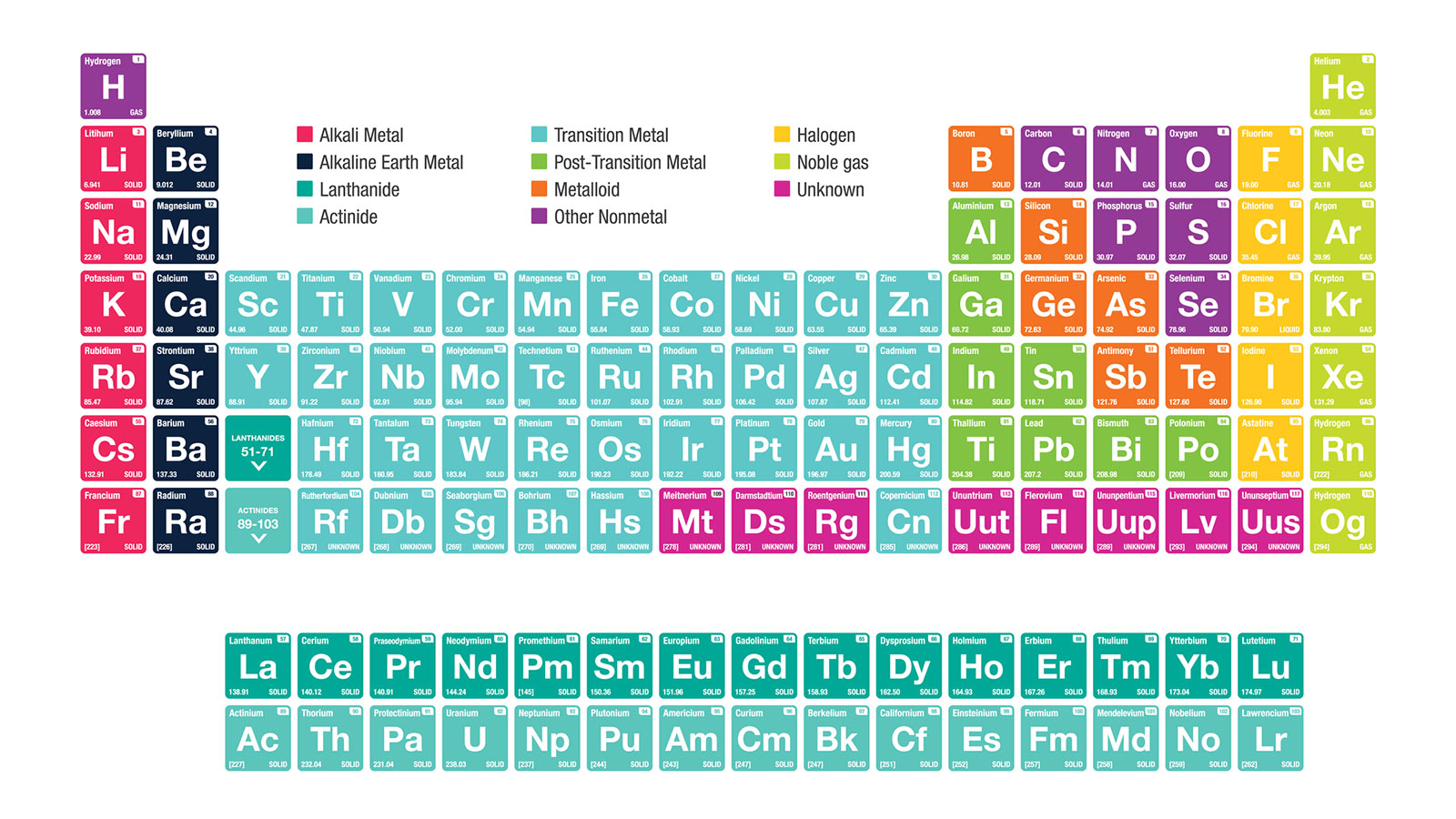
Just imagine, if you will, these silvery metals. They're soft enough to cut with a butter knife – a fact that always blows people’s minds. And the way they react with water? It’s like they’ve been waiting their whole lives for a chance to party, and water is the DJ that kicks things into high gear!
The reason they're so reactive is all about their electron configuration. They have one lone electron way out on the edge of their atomic structure, just begging to be given away. It’s like they’re holding a single, delicious cookie, and they’re really hoping someone will take it. When they find something that wants that electron (like oxygen or even water), BAM! A chemical reaction happens, and often it’s quite… energetic.
So, while you’ll never find pure sodium or potassium just chilling in your kitchen drawer (for good reason!), they are found in countless compounds all around us. From the salt on your table to the very building blocks of life, these alkali metals are doing their thing, often in a much more mellow and helpful way. They’re the unsung heroes, the workhorses, the rockstars playing backstage, ensuring that our world functions the way it does.
Next time you see a battery, eat a banana, or even just look at a glass of water, give a little nod to the amazing alkali metals. They might be a bit dramatic in their pure form, but they’re also essential, fascinating, and undeniably cool. They truly add a little sparkle – sometimes literally! – to our everyday lives. Isn't chemistry just the most thrilling thing ever?