
Fun Facts About The African Wild Dog
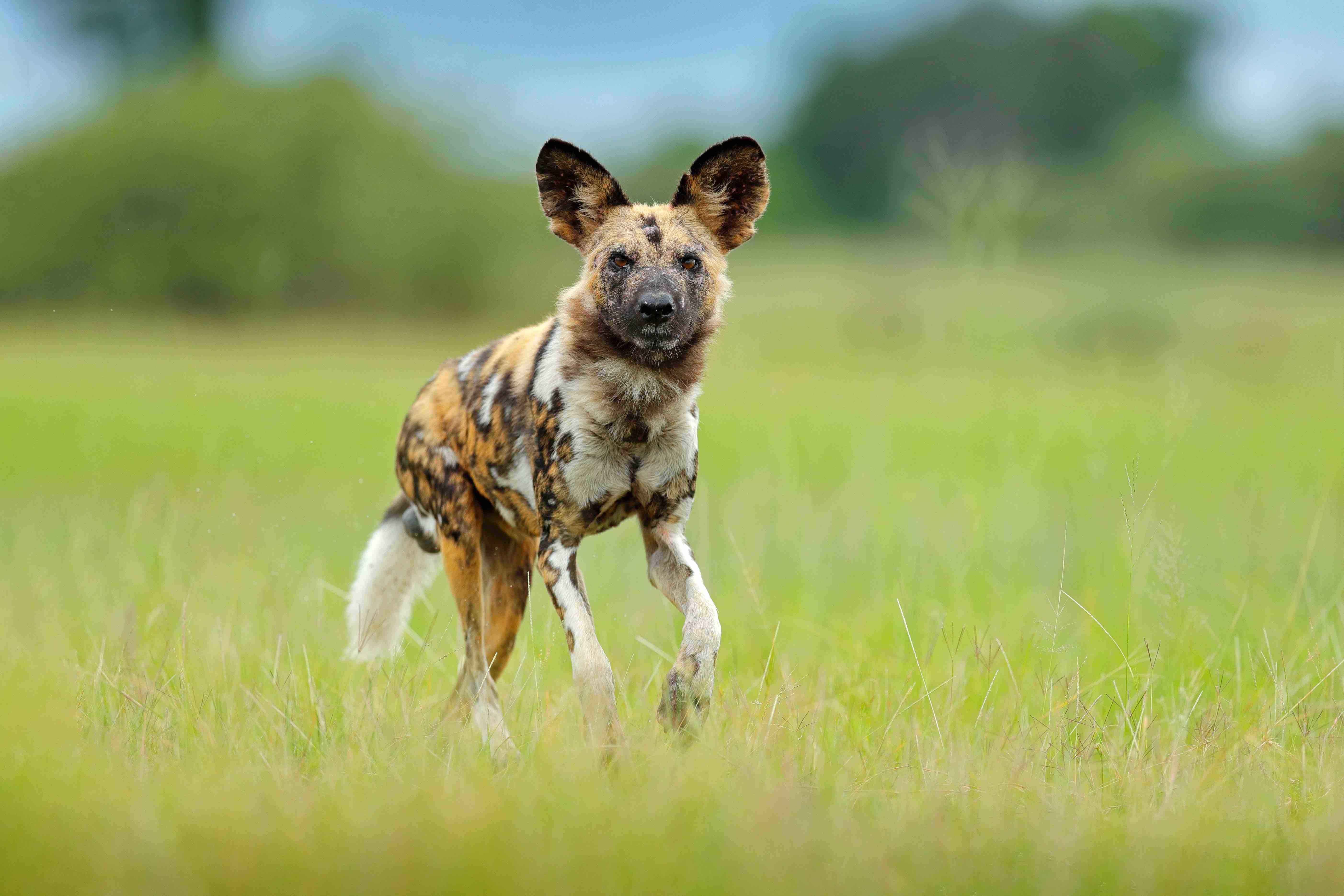
Imagine a dog with a coat like a crazy patchwork quilt, a superhero cape, and ears that could pick up whispers from miles away. That’s the African Wild Dog for you! These amazing creatures, also known as painted wolves or whistling dogs, are real stars of the African savanna, and they’ve got some seriously cool tricks up their sleeves.
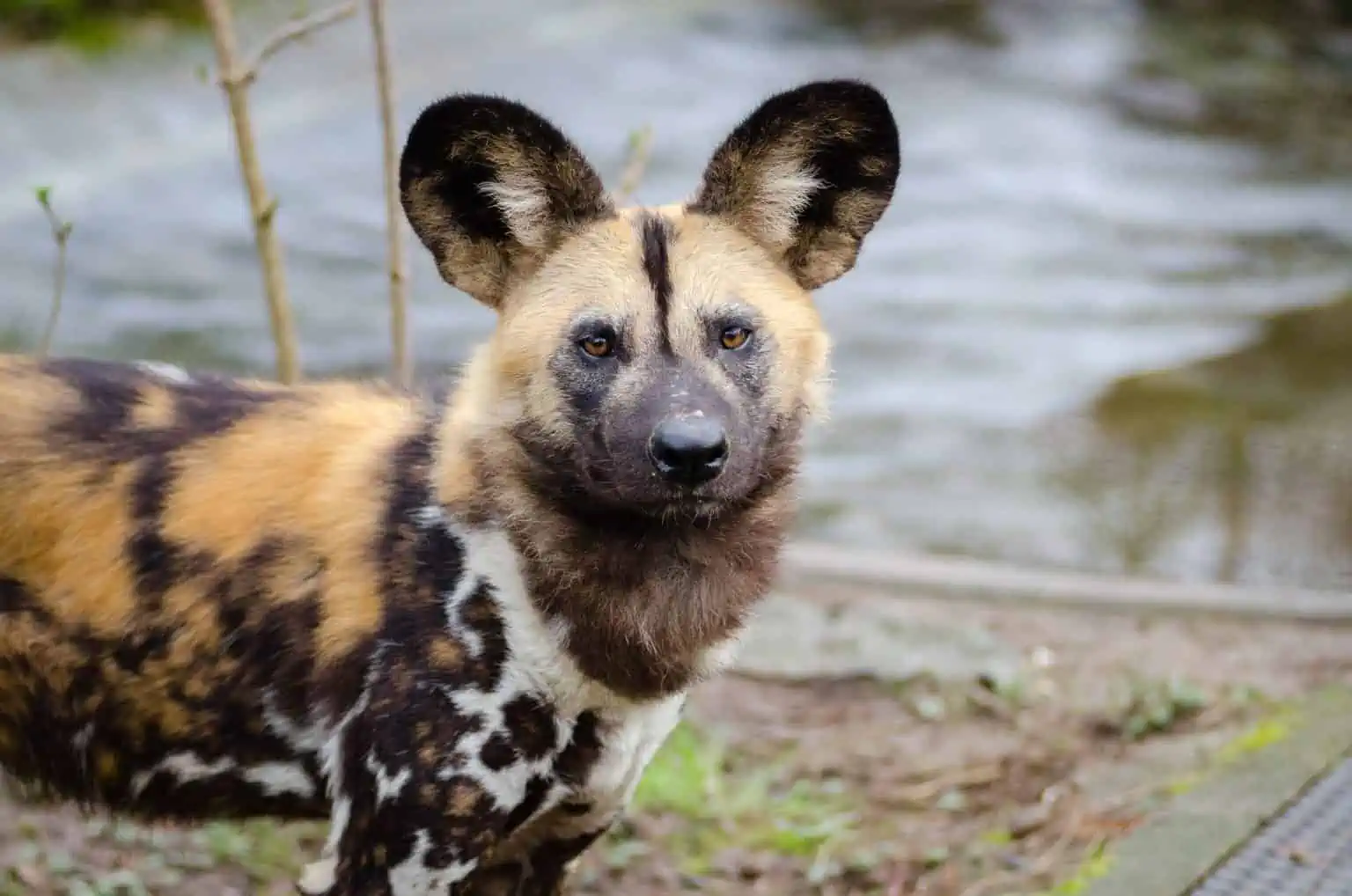
Let’s start with their name, painted wolves. Doesn’t that just sound magical? It’s because their fur is a masterpiece of nature. No two wild dogs look exactly alike! You’ll see splashes of black, tan, white, and brown all mixed up in unique patterns. It’s like they each have their own personal artist who went wild with the paintbrush. This makes them stand out, but also helps them blend into the dappled sunlight of the bush when they need to.
And those ears! My goodness, those ears are huge! They’re not just for show; they’re like built-in radar dishes. These incredible ears help them hear the faintest rustle of prey from a long distance. Think of them as nature’s finest listening devices, helping them stay connected and track down their next meal. It’s pretty impressive when you consider how much noise there is in the African wilderness!
Now, if you think these dogs are all about looking good with their fancy coats and big ears, think again. They are also incredibly social animals. They live in packs, and these packs are like a super-tight-knit family. They groom each other, play together, and even share their food. It’s a real team effort to survive out there, and they totally get it.
One of the most heartwarming things about wild dog packs is how they look out for each other. When one dog is injured or sick, the others will bring them food and stay by their side. They even regurgitate food for the pups and for pack members who couldn’t hunt. It’s like a fuzzy, four-legged support group, and it’s incredibly touching to see such loyalty in the wild. They truly embody the meaning of “pack mentality” in the best possible way.

Speaking of pups, the puppies are like little bundles of joy, and the whole pack pitches in to raise them. The alpha female is the mom, but every adult in the pack helps feed and protect the young ones. It’s an amazing example of communal parenting, where everyone plays a part in ensuring the next generation thrives. Imagine a whole bunch of aunties and uncles doting on the babies – it’s a recipe for a happy, healthy pup!
Wild dogs are also known for their incredible stamina and teamwork when hunting. They don’t have the brute strength of a lion or the stealth of a leopard. Instead, they rely on their endurance and smarts. They’ll chase down prey, sometimes for miles, working together to corner and outlast their meal. It’s not a quick, flashy kill; it’s a marathon of cooperation. They are the ultimate long-distance runners of the savanna!

And here’s something that might surprise you: they’re not as noisy as you might think. Unlike some other canids that bark a lot, African wild dogs communicate with a range of soft whines, yips, and their signature high-pitched whistle. This is how they got the nickname whistling dogs. It’s a more subtle language, perfect for coordinating their hunts without giving away their position.
"Their communication is like a secret code, a symphony of soft sounds that only they truly understand."
Sadly, these magnificent creatures are endangered, and it’s a tough world out there for them. Habitat loss and disease are big challenges. But every time you hear about the amazing things they do, it’s a reminder of why they are so special and why we should do everything we can to protect them. They are a vital part of the African ecosystem and a testament to the beauty and complexity of nature.
So, next time you think about African wildlife, don’t forget the painted wolves. They’re not just hunters; they’re artists, listeners, communicators, and the most loyal family members you could ever imagine. They’re a true treasure of the wild, and their story is one of incredible resilience and heartwarming connection.