
Galvanic Corrosion Aluminum And Steel
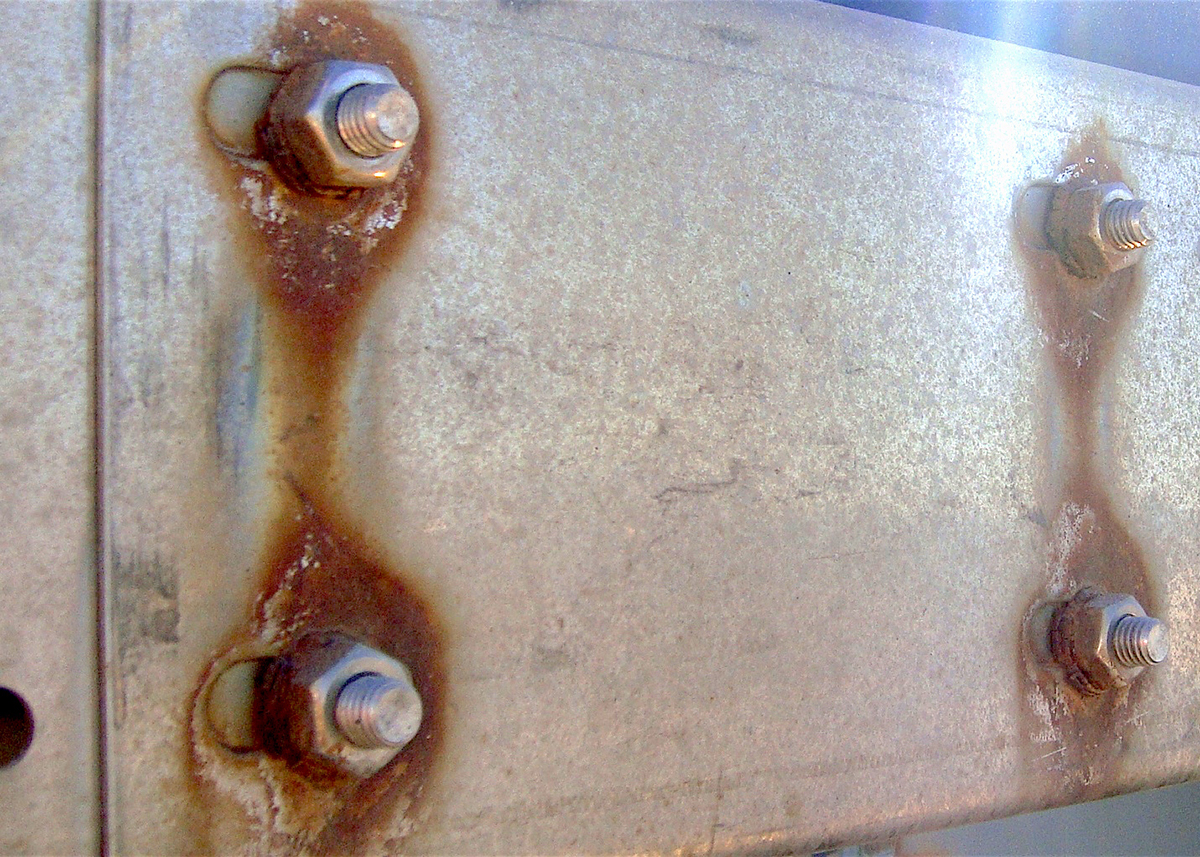
Hey there! Grab your mug, settle in. We’re gonna chat about something that’s a little… zappy. You know, like when you lick a battery? Well, not quite that intense, but you get the idea. We're diving into the wacky world of galvanic corrosion, specifically when aluminum and steel decide to become best buds. And let me tell you, this friendship can get a bit… electrifying. In a bad way, of course.
So, what is this galvanic gizmo anyway? Think of it like this: imagine you've got two friends, right? One's super chill, lets everyone else do the heavy lifting. The other? A total go-getter, always wanting to be the one in charge. In the metal world, these personalities are called their electrochemical potential. It’s basically how eager a metal is to give up its electrons. And when you put two metals with very different personalities together, especially when there's something wet around… BAM! You’ve got a reaction. A not-so-fun reaction.
Specifically, we’re talking about aluminum and steel. Now, steel, that’s our tough guy, right? Strong, dependable. Aluminum, it’s lighter, can be super shiny, but also… a bit more sensitive, shall we say? When these two get connected, usually by a bolt or a rivet or some other metal fastener, and they’re exposed to an electrolyte – which is just fancy talk for something wet, like rain, or even just humidity – things get interesting. And not in the “surprise party” kind of way.
Here's the scoop: Aluminum is more active than steel. It’s like the eager beaver of the metal world. It wants to lose its electrons, pronto! Steel, on the other hand, is a bit more reserved. So, what happens? The aluminum, being the generous soul (or maybe just a bit reckless), starts giving away its electrons to the steel. It’s like a one-sided electron handout. And this little electron dance is what causes the corrosion. Who knew electrons could be so dramatic?
When aluminum gives up its electrons, it starts to dissolve. Yep, it literally starts to eat itself away. And the faster it dissolves, the more the steel is protected. It's like the aluminum is sacrificing itself for the good of the steel. How noble! Except… it’s not really a sacrifice, it’s just what happens. The aluminum is the anode in this little electrochemical drama, and the steel is the cathode. Think of the anode as the metal that’s going to get eaten, and the cathode as the one that’s chilling, relatively unscathed. Poor aluminum!

This is a huge deal in, like, everything. Ever seen an old boat? Or maybe some outdoor furniture that’s looking a bit sad? Chances are, galvanic corrosion has been invited to the party. It’s especially common in marine environments. Saltwater? Oh yeah, that’s the perfect electrolyte. It’s like a supercharger for this whole corrosive process. So, those sleek aluminum railings on a boat and the steel bolts holding them? That’s a recipe for trouble, my friend. Trouble with a capital T, and that rhymes with P, and that stands for… well, you get it.
Why is this a problem? Because corrosion weakens metal. That super strong steel bolt? It might stay strong for a while, but that aluminum bracket it’s holding? It’s going to start looking like Swiss cheese. And then, things start to fall apart. Literally. We don't want our bridges collapsing or our cars falling into pieces because of a little metal misunderstanding, do we? Of course not!
So, how do we stop this metallic melodrama from unfolding? Well, clever folks have come up with a few tricks up their sleeves. One of the simplest is to just avoid putting dissimilar metals in direct contact when they’re going to get wet. Revolutionary, I know! But seriously, if you can separate them, you’re already halfway there. Think of it like a polite handshake instead of a full-on hug. Give them some space!

What if they have to be in contact? Well, we’ve got insulators. These are materials that don't conduct electricity very well. Imagine putting a little plastic washer between your aluminum bolt and your steel plate. That plastic is like a tiny bodyguard, saying, "Nope, no electron party here!" These insulators break the electrical connection, which is crucial for galvanic corrosion to happen. It’s like putting up a "Do Not Disturb" sign for the electrons. Very effective.
Another superhero in this fight is coatings. Think paint, or plating, or even special anodizing for aluminum. These coatings act as a barrier. They physically separate the metals and, more importantly, they try to protect the more susceptible metal (our friend aluminum). If the coating is intact, the electrons can't get to the metal underneath, and corrosion is kept at bay. It’s like putting on a raincoat before you go out in the rain. Smart, right?
But what if the coating gets scratched? Uh oh. Then you’ve got a tiny little opening, a little window of opportunity for our galvanic gremlins. And guess what happens? The corrosion can start at that scratch, and it can spread underneath the coating. It’s like a sneaky little bug that gets under your skin. This is why maintaining coatings is super important. A little touch-up here and there can save you a whole lot of heartache later.
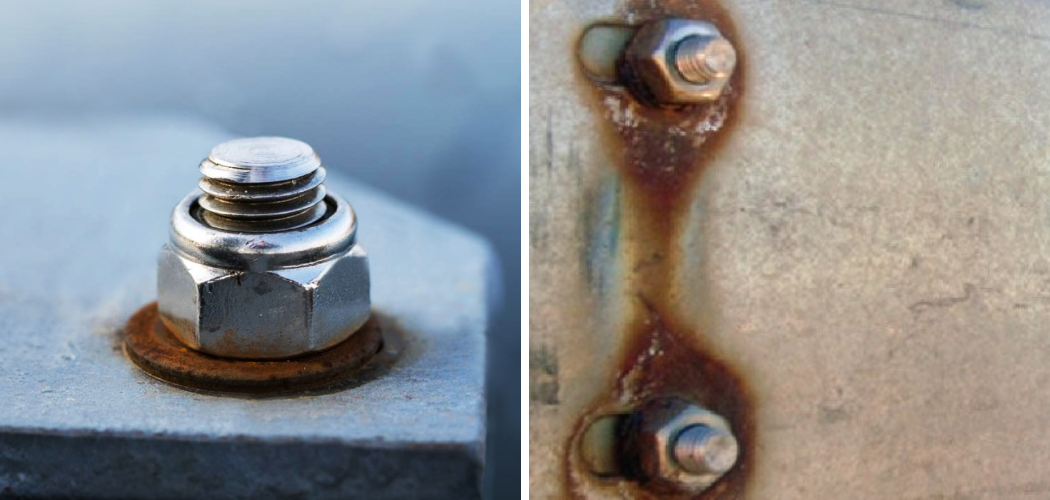
Now, there's also something called sacrificial anodes. This is a bit of a clever workaround. You add a third metal, one that's even more active than aluminum, into the mix. This super-active metal becomes the anode and gets corroded instead of the aluminum or the steel. It’s literally sacrificing itself, like a superhero taking one for the team. These are often used on ships and submarines. They’re like little expendable buddies that get eaten away so the rest of the valuable structure stays intact. Pretty neat, huh? Think of it as a built-in repair crew, only instead of fixing, they’re getting corroded.
The choice of which metals to use together is a biggie. Sometimes, you might have to pick between a slightly less strong but more corrosion-resistant aluminum alloy, or a steel that’s been treated to be less reactive. It’s all about understanding the electrochemical series. This is basically a ranked list of metals, from most noble (least reactive) to most active (most reactive). If you want to minimize galvanic corrosion, you want to pick metals that are close together on this list. Think of it like choosing friends who have similar interests – less drama, less conflict!
Why don’t we just use one metal for everything? Well, sometimes we do! But often, you need the strength of steel combined with the lightness and corrosion resistance (in some environments) of aluminum. Think about an airplane. You need strong structural components (steel parts) but also lightweight fuselage (aluminum). They have to work together! So, understanding galvanic corrosion is crucial for engineers designing all sorts of things, from your everyday toaster to massive offshore oil rigs.

The bigger the difference in electrochemical potential between two metals, the faster and more severe the galvanic corrosion will be. And it’s not just about the metals themselves, but also the area ratio. If you have a very small piece of aluminum connected to a huge piece of steel, the aluminum is going to get eaten away much faster. It’s like one tiny ant trying to feed a whole army of hungry giants. The ant doesn’t stand a chance! So, engineers have to consider this too when designing things.
And let's not forget the environment! As I mentioned, saltwater is a big culprit. But even freshwater can cause issues, especially if it has dissolved salts or minerals. And some industrial environments can have very aggressive electrolytes that really speed things up. It’s like putting your metals in a spicy soup instead of plain water. Everything happens faster!
So, next time you see a metal object with both aluminum and steel parts, especially if it looks like it’s been through a bit of weather, take a moment to appreciate the silent, zappy battle that might be going on. It’s a constant tug-of-war, a little electrochemical dance. And hopefully, thanks to some clever engineering and a bit of knowledge, that dance doesn’t end with everything falling apart. It’s a fascinating, if sometimes destructive, little phenomenon, isn't it? Makes you think about all the hidden battles happening all around us. Now, who needs a refill?