
Galvanic Corrosion Aluminum Stainless Steel
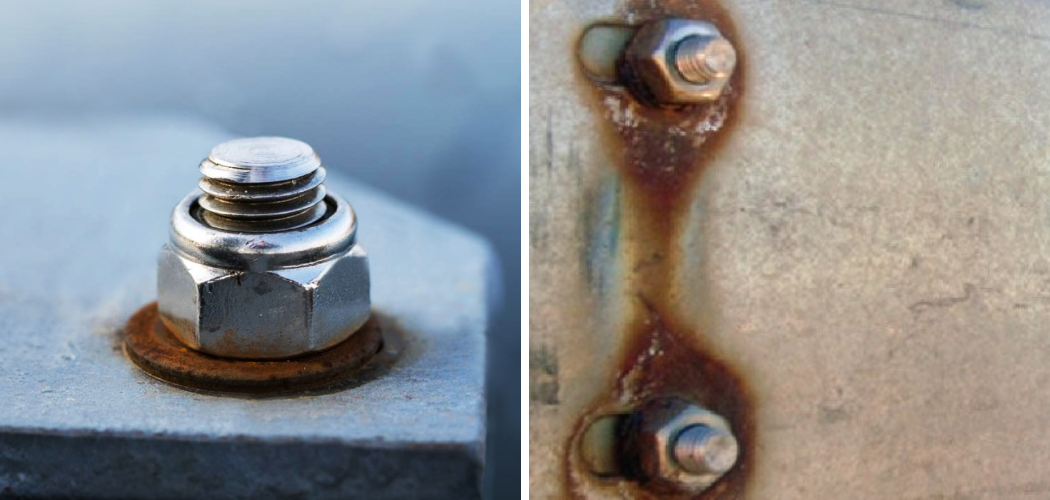
Alright, gather 'round, folks, and let's talk about something that sounds about as exciting as watching paint dry, but is actually way more dramatic than you'd think: the epic clash between aluminum and stainless steel. No, seriously, these two metals, often best buddies in your kitchen or in that fancy boat your rich uncle owns, can actually go to war with each other. And let me tell you, it's a battle royale where one of them usually ends up looking like it went ten rounds with a grumpy badger. We're talking about galvanic corrosion, a fancy term for when two different metals decide to have a tiny, electro-chemical party they shouldn't be invited to.
Imagine this: you've got your shiny, sleek stainless steel pot, practically begging to be used for your world-famous chili. Then, you decide to add a little zing with some aluminum foil, or maybe you've got some aluminum utensils chilling in the same drawer. You think they're just hanging out, minding their own business, right? Wrong! They're actually forming a miniature, invisible battery. It's like they're secretly holding hands, and one of them is getting all the good vibes (and the electrons) while the other is left feeling drained and… well, corroded. It’s a total betrayal, I tell you.
So, what's the deal? Why do these metals gang up on each other? It all comes down to their electrochemical potential. Think of it like a popularity contest in the metal world. Some metals are super popular, they’ve got tons of electrons just itching to mingle. Others are a bit more reserved, they’re holding onto their electrons for dear life. When you plop a popular metal next to a shy metal, and they're both chilling in an electrolyte (like salt water, or even just plain old moisture from your breath if you’re breathing on them dramatically enough), the popular one gets to be the electron-giver, and the shy one gets to be the electron-taker. And guess who usually ends up looking like a sad, rusty mess? It’s rarely the stainless steel, which is often the superhero in this scenario. Sorry, aluminum, but you’re usually the one taking the hit.
This whole electrochemical hullabaloo is called galvanic corrosion. It’s like a cosmic joke where the metals are the punchline. The metal that’s higher on the galvanic series (that's the list of metals ranked by their electrochemical potential, like a metal popularity chart) is the one that’s going to sacrifice itself. And wouldn’t you know it, aluminum is way, way higher on that list than most types of stainless steel. So, when they meet, it’s a one-way ticket to corrosion town for our friend aluminum. It’s like putting a kid who’s way too eager on the playground next to a teenager who just wants to be left alone. The kid's gonna get roughed up.
Think about it: have you ever seen those old aluminum boats that look a bit… pockmarked? Or that ancient aluminum camping cookware that’s seen better days? Chances are, it’s been having a long-standing feud with something else, possibly even just the salty air or the water it’s been dipping into. Stainless steel, on the other hand, is like that stoic friend who can handle anything. It’s got this protective layer of chromium oxide that’s like an invisible force field. It’s a superpower, really. It basically says, "Bring it on, moisture! Bring it on, salt! I’ve got this."
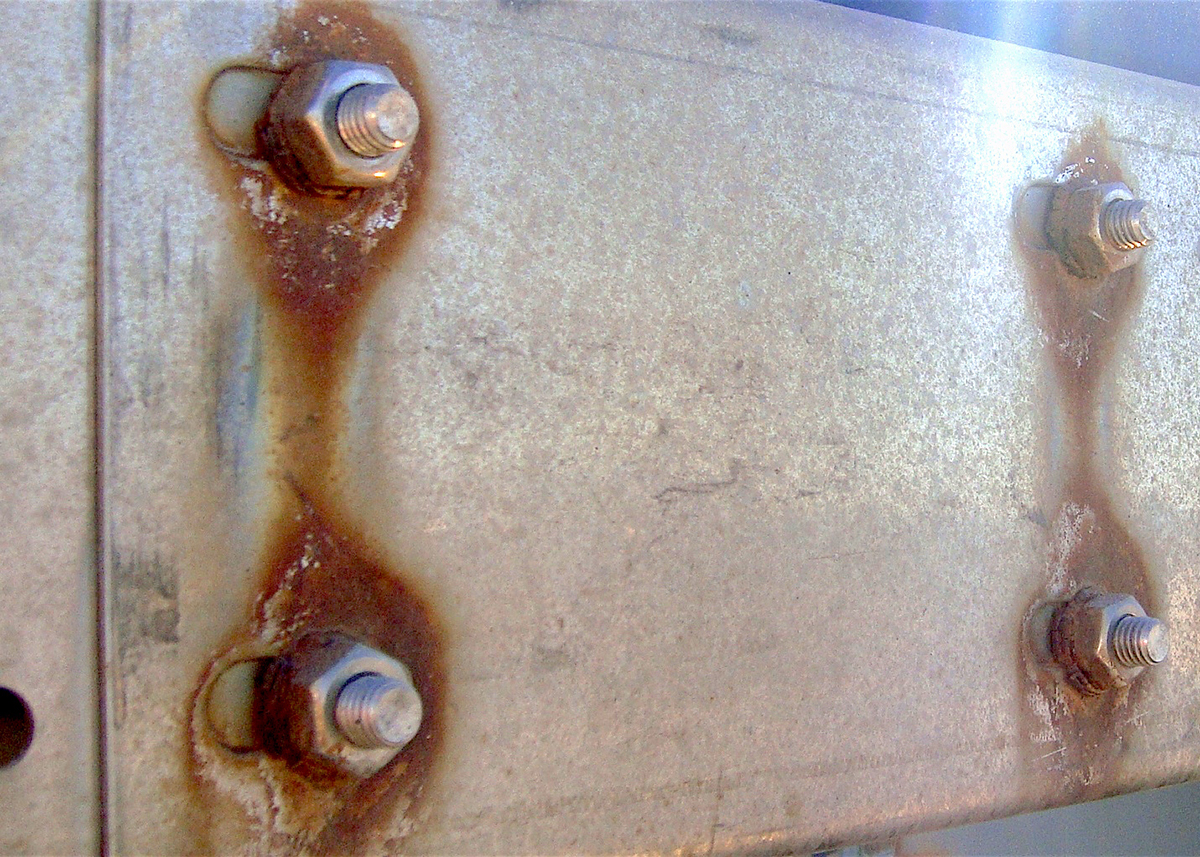
But when aluminum decides to join the party, and it's in contact with stainless steel, that superpower can get a bit overwhelmed. The electrons flow from the aluminum to the stainless steel, and the aluminum starts to oxidize. Oxidation, my friends, is just a fancy word for rust, but for aluminum, it’s more like a chalky, white powdery substance. It’s not as glamorous as red rust, but it’s just as destructive. It’s like a slow, polite disintegration. Very British, if you ask me.
Now, you might be thinking, "So, I should just throw away all my aluminum foil and never let it near my fancy cutlery?" Not quite! The severity of this metal melee depends on a few factors. Firstly, the electrolyte. The juicier the electrolyte, the faster and more intense the corrosion. So, if your aluminum and stainless steel are hanging out in the ocean, or in a really humid environment, things are going to get spicy. If they’re just sitting on your dry kitchen counter, they’re probably just exchanging polite nods.
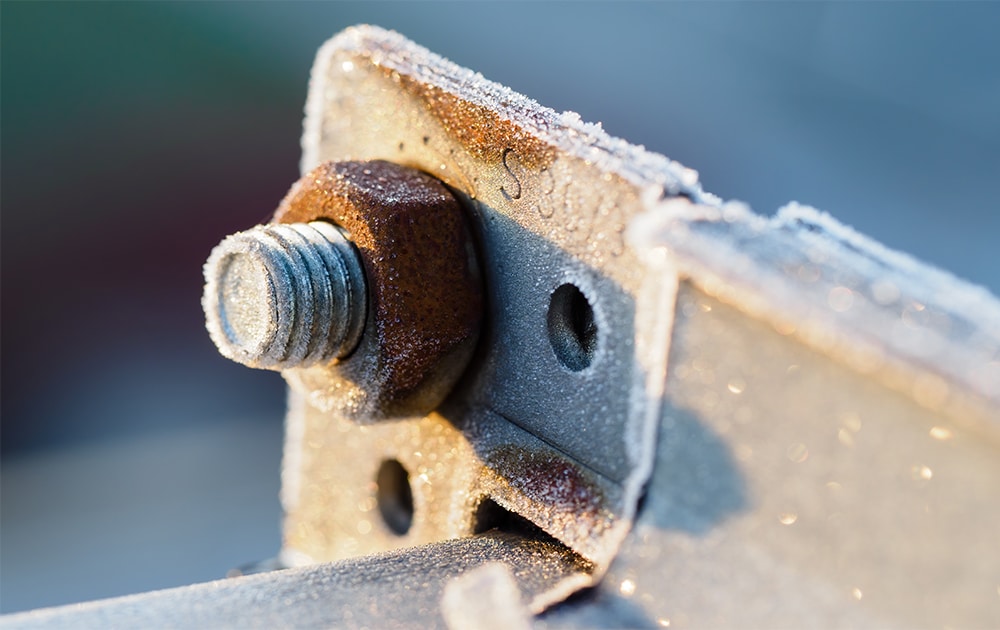
Secondly, the surface area. If you have a tiny little bit of aluminum touching a giant piece of stainless steel, the corrosion is going to be concentrated on that tiny bit of aluminum. It’s like one person taking all the blame for a group prank. Conversely, if you have a huge piece of aluminum touching a small piece of stainless steel, the stainless steel might start to get a little bit of a surface-level scuffing, but the aluminum is still the main victim. It’s all about that electron flow, baby!
So, how do we prevent this metal melodrama? Well, the simplest solution is to avoid direct contact between dissimilar metals, especially when they’re going to be exposed to moisture. Think of it as a social distancing rule for your kitchenware. If your stainless steel pan has an aluminum base, that's usually a deliberate design choice where they've made sure they're bonded in a way that minimizes galvanic corrosion. But if you're improvising with a DIY project, or just have a chaotic utensil drawer, you might want to be more mindful.
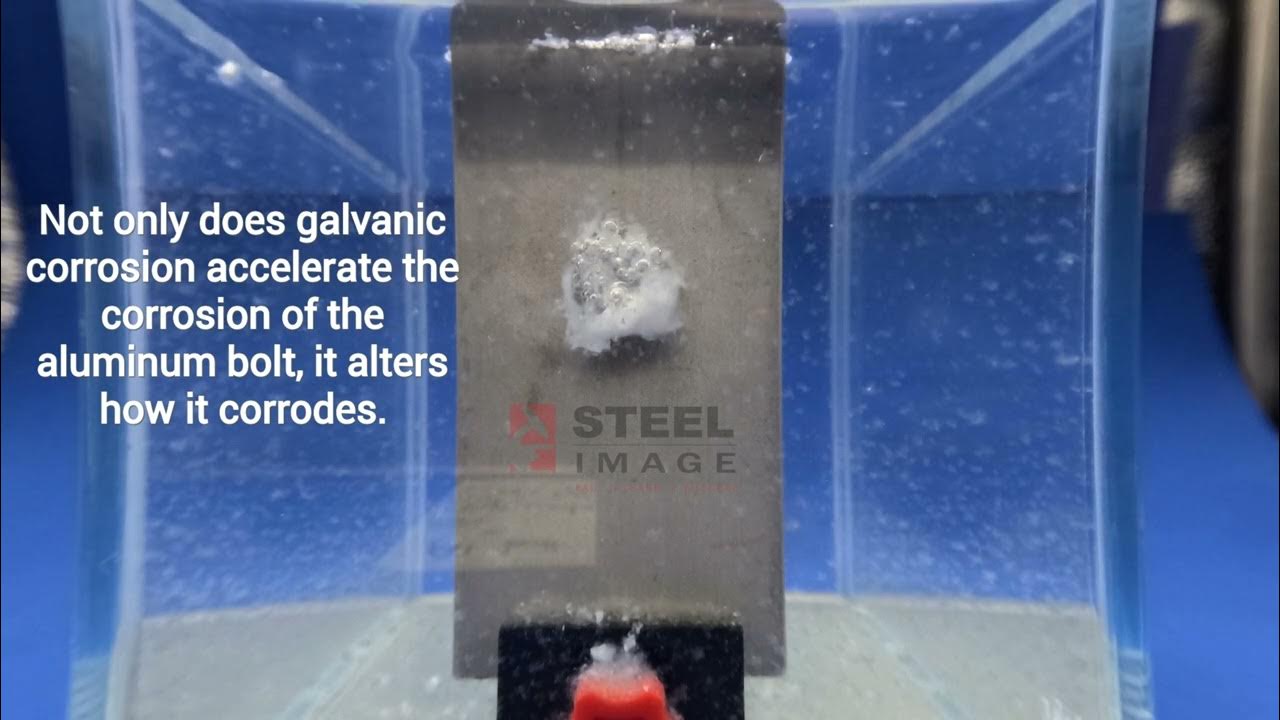
Another trick is to use a sacrificial anode. This is basically putting a third metal into the mix that's even more eager to corrode than aluminum. It's like throwing a decoy into the fight to distract the bully. Zinc is a common choice for this. It’s like the metal world’s ultimate peacekeeper, or perhaps, just the ultimate scapegoat. It’s willing to take one for the team, so your precious aluminum (or whatever you’re trying to protect) can live to see another day.
And what about coatings? Sometimes, metals are coated to prevent this sort of thing. Think of a non-stick pan with a metal handle. That handle might be stainless steel, and the pan itself could be aluminum. But there’s a barrier, a little bit of insulation, to keep them from having a full-blown argument. It’s like putting a mediator between two bickering siblings.
So, the next time you’re assembling a sandwich with aluminum foil and using your trusty stainless steel knife, or you're wondering why that old aluminum garden gnome is looking a bit crumbly next to your stainless steel bird feeder, you’ll know. It’s not just the weather; it’s a full-blown metal misunderstanding. It’s the dramatic, often unseen, war of the metals. And while it might sound a bit dry, remember, even the most mundane things can have a surprisingly electrifying story. Just like your phone battery, some connections are best left unplugged.