
Galvanic Corrosion Stainless Steel Aluminum
Hey there, fellow curious minds! Ever looked at something made of mixed metals and wondered, "Is this whole thing going to hold up?" Maybe you've seen a fancy boat with both stainless steel bits and aluminum parts, or a picnic table with a cool metal frame. It's a pretty common sight, right? But have you ever stopped to think about what's really going on between those different metals?
Well, today we're diving into a little science mystery that's actually pretty darn cool, and it all boils down to something called galvanic corrosion. Don't let the fancy name scare you off – it's not some scary monster under the bed. Think of it more like a tiny, invisible team of electrochemists duking it out, all without us even noticing.
Specifically, we're going to chat about what happens when stainless steel and aluminum decide to hang out together. It's a classic combo in many applications, from marine environments to everyday objects. But why is this particular pairing so interesting, and what are the potential quirks we should be aware of?
The "Friendship" of Metals
So, imagine you have two different types of friends. One is super chill, laid-back, and doesn't get riled up easily. Let's call this friend aluminum. The other friend is a bit more high-strung, always ready to react, and can be a bit of a drama queen when things get tough. This is our stainless steel friend.
When these two friends are thrown together, especially in the presence of a third, invisible party – water (or any electrolyte, really) – things can get… lively.
See, metals have a natural tendency to want to be in their most stable form. For some metals, this means giving up electrons easily, while for others, it means holding onto them tightly. This tendency is measured by something called the galvanic series. It’s basically a ranking of metals based on how likely they are to corrode when paired with another metal.
And guess what? Aluminum and stainless steel are pretty far apart on this list! This means when they're electrically connected and exposed to an electrolyte (like saltwater, or even just damp air), a little electrochemical reaction starts. It's like one friend is so eager to give up their electrons that they practically push them over to the other friend, who's happy to grab them.
The "Sacrifice" Play
Here's where it gets really interesting, and a bit like a superhero movie. The metal that's more "active" or eager to give up electrons – in this case, aluminum – becomes the anode. The metal that's less active, like stainless steel, becomes the cathode.
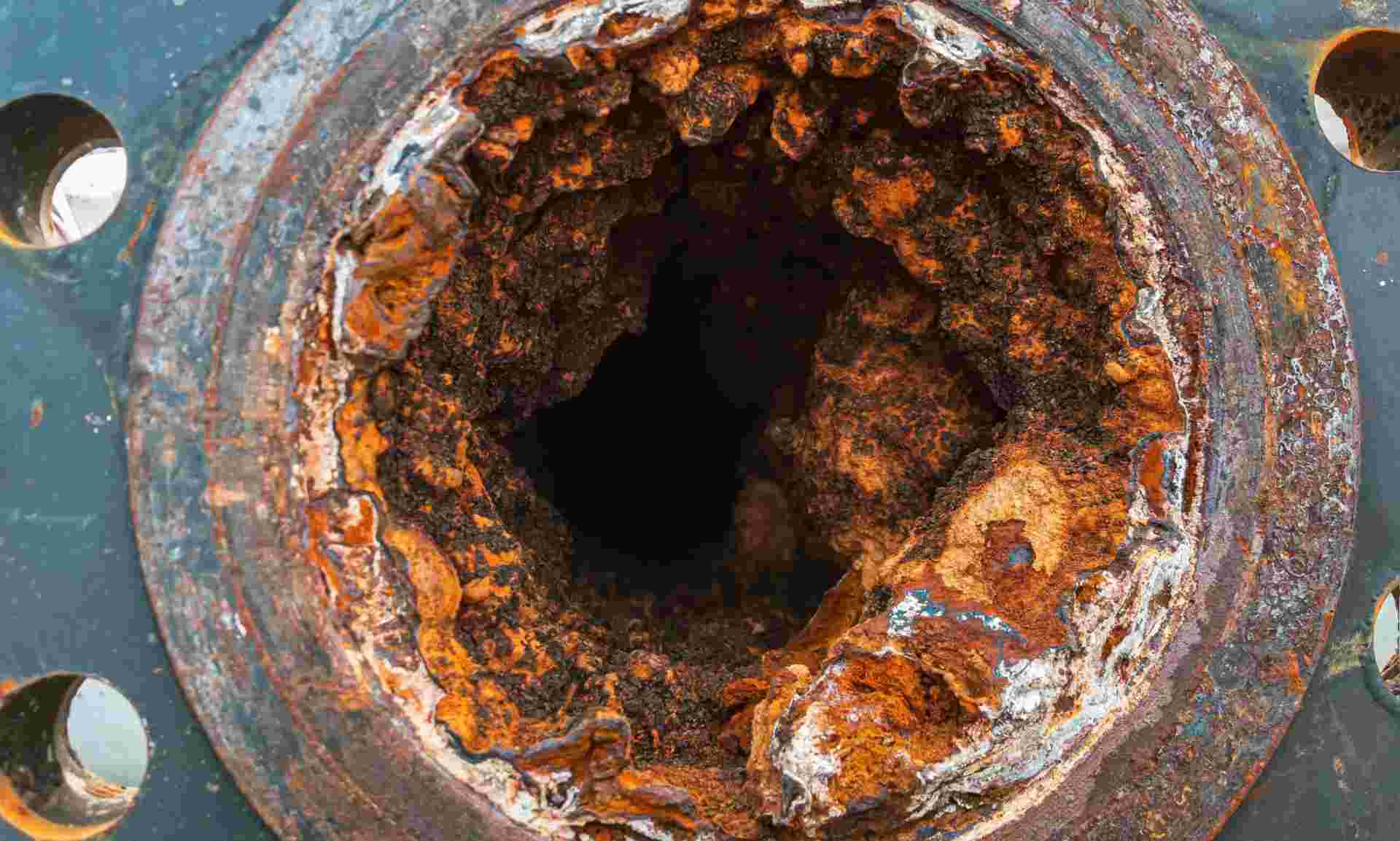
And here's the twist: the anode (our aluminum friend) starts to corrode, or essentially "eat away" at itself, to provide the electrons needed for the reaction. It's like the aluminum is making a heroic sacrifice to protect its less reactive partner, the stainless steel!
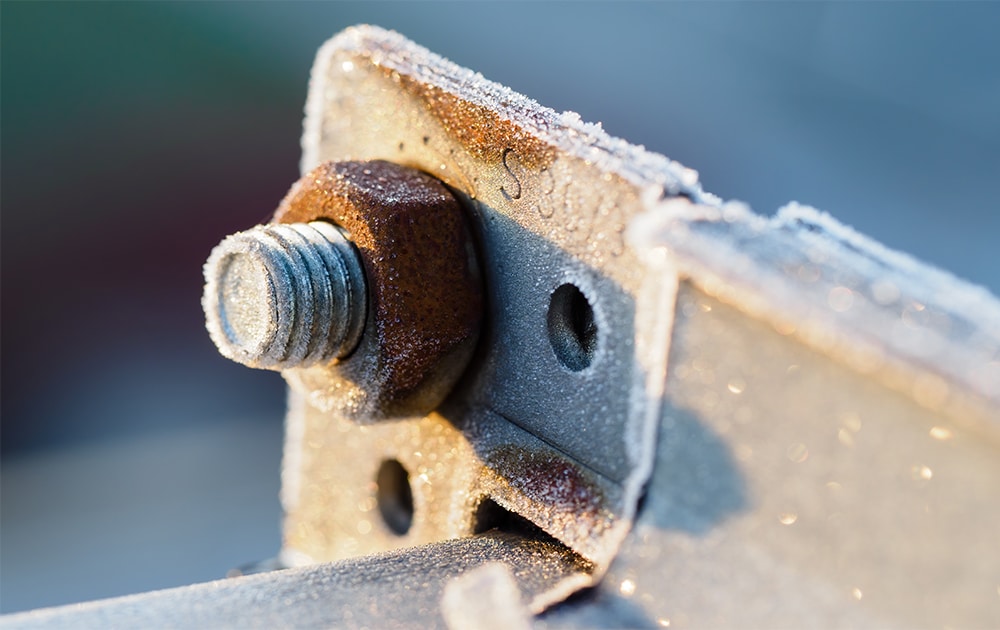
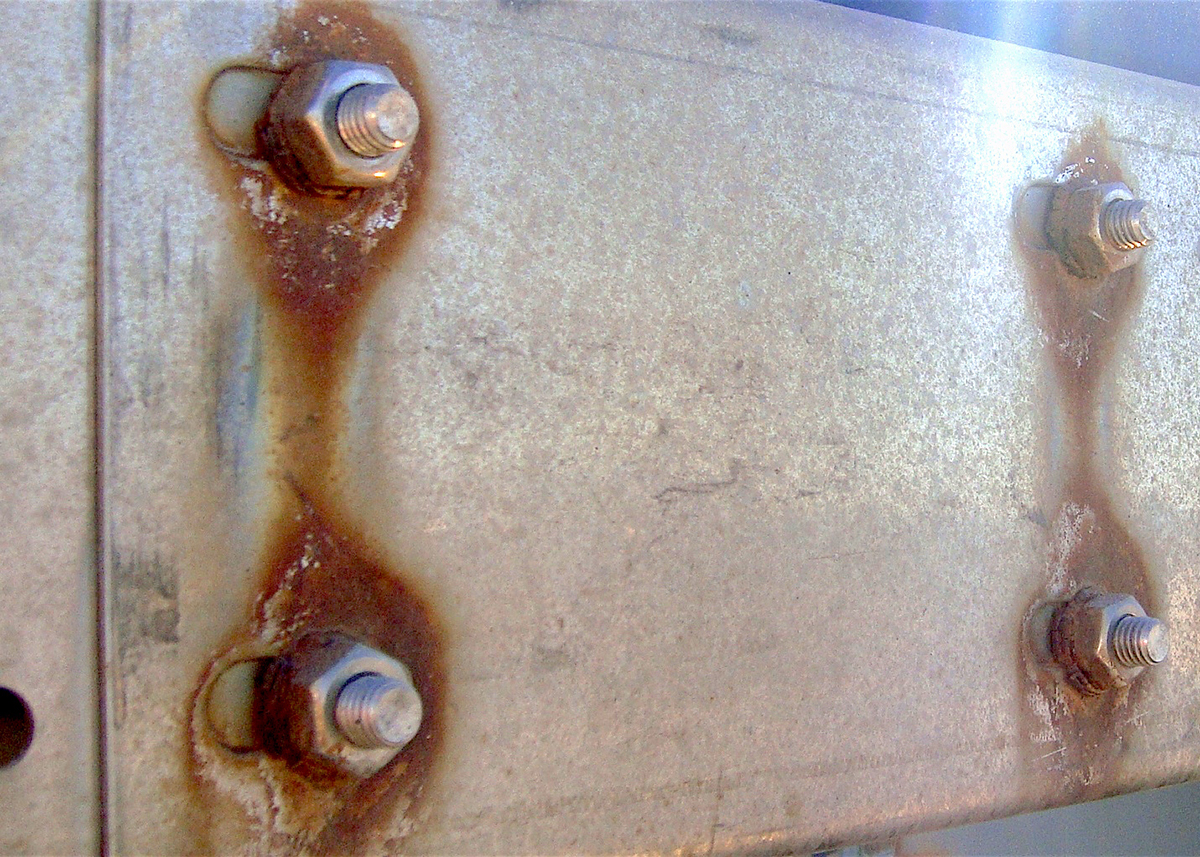
So, instead of both metals corroding equally, the aluminum takes the brunt of the damage. This can be a good thing if you want to protect the stainless steel, but it also means your aluminum parts are going to disappear over time. Kind of a bittersweet situation, isn't it?
Why Does This Happen?
Think of it like this: imagine a group of kids playing tag. One kid (aluminum) is super fast and keeps running around, giving energy to everyone. The other kid (stainless steel) is a bit slower and just stands there, happily taking the energy without moving much.
In the world of metals and electricity, these "electrons" are the currency. Aluminum is like the generous donor, readily shedding its electrons. Stainless steel, on the other hand, is more like the receiver, accepting those electrons. This flow of electrons, driven by the difference in their "eagerness," is what we call an electrical current.
And where there's an electrical current between dissimilar metals in an electrolyte, there's a potential for corrosion. The aluminum, being the more active metal, gets "eaten away" as it loses its material to fuel this electrical circuit. It’s a fundamental principle of electrochemistry at play!
When is This a Big Deal?
So, is this a problem you need to worry about every time you see a stainless steel screw holding up an aluminum bracket? Not necessarily. The severity of galvanic corrosion depends on a few key factors:
- The difference in the metals: The further apart aluminum and stainless steel are on that galvanic series chart, the greater the potential for corrosion.
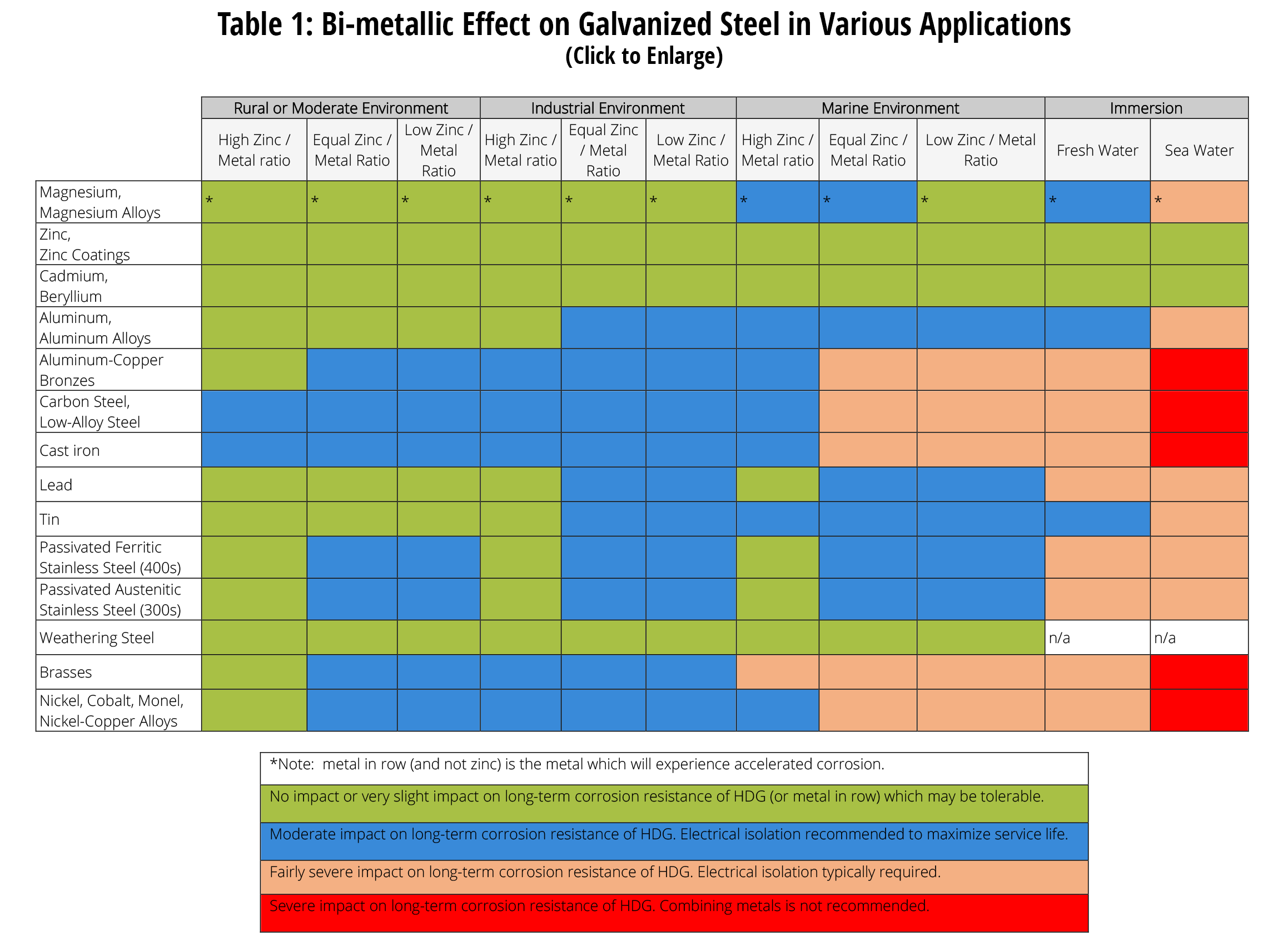
- The environment: Saltwater is a notorious conductor and electrolyte. So, if your aluminum and stainless steel combo is hanging out near the ocean or in a marine environment, you're going to see corrosion happen a lot faster. Think of it as a turbo boost for the reaction!
- The relative surface area: If you have a large piece of stainless steel connected to a tiny piece of aluminum, the corrosion on the aluminum will be much more concentrated and rapid. It’s like trying to spread a little bit of paint over a huge canvas – it won’t cover well.
If you've ever seen those beautiful boats with their shiny stainless steel railings and aluminum hulls, you might be wondering how they deal with this. Well, clever engineers and designers have figured out some neat tricks!
Keeping Things Ship-Shape (and Elsewise!)
One of the most common ways to combat galvanic corrosion is through electrical isolation. This means putting a barrier between the two different metals so they can't directly touch and create that electrical connection. Think of it like putting a rubber gasket between a bolt and a surface. That rubber is a non-conductor, stopping the electrical handshake.
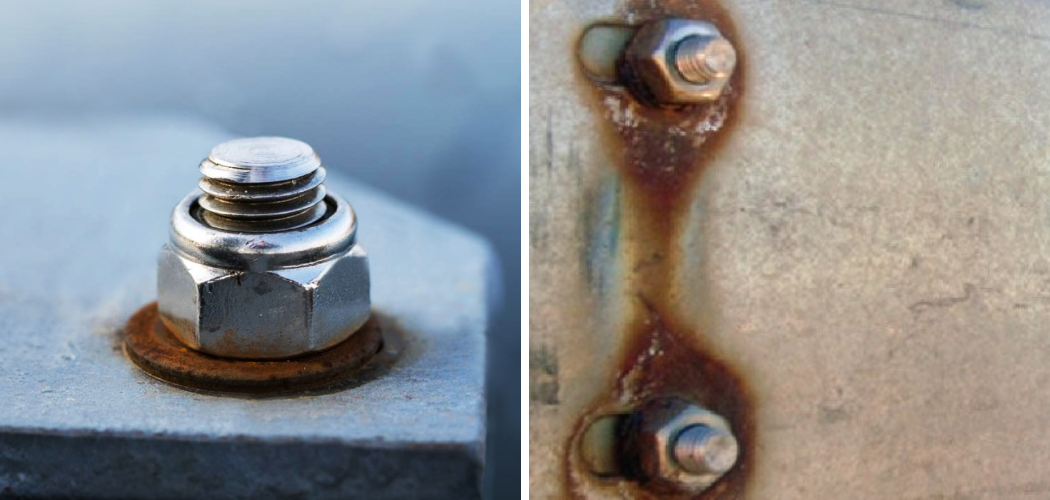
Another trick is using sacrificial anodes. This is a bit counterintuitive, right? Instead of just dealing with the corrosion, we add another, even more reactive metal (like zinc or magnesium) to the mix. This super-reactive metal then becomes the anode and corrodes instead of the aluminum or stainless steel. It’s like bringing in a third, even more sacrificial friend to take the hit!
You'll often see these on boats, pipelines, and even water heaters. They're designed to be replaced periodically, acting as the primary target for corrosion, leaving the main structure intact.
So, the next time you spot a piece of equipment or an everyday object made from both stainless steel and aluminum, you can appreciate the subtle science at play. It’s a fascinating example of how chemistry can influence the durability and lifespan of the things we use every day. It's not just about pretty aesthetics; it's about understanding how different materials interact and how we can cleverly manage those interactions!
Isn't science just cool? It’s everywhere, even in the way two pieces of metal decide to get along (or not get along!) in the presence of a little moisture. Keep that curious mind buzzing!