
Galvanized Iron Vs Galvanized Steel
Hey there, curious cats and life enthusiasts! Ever find yourself staring at, say, a trusty old fence post or a shiny new watering can, and wonder, "What's the deal with this stuff? It looks like metal, but… different?" Well, get ready, because we're about to dive headfirst into the surprisingly fascinating world of galvanized goodness. And trust me, it's more fun than it sounds!
Today, we're pitting two fantastic contenders against each other: Galvanized Iron versus Galvanized Steel. Now, before you start picturing a gladiator match in a rusty old factory (though that would be epic, wouldn't it?), let's clarify. We're not talking about the metals themselves battling it out. We're talking about how they're treated to become the superheroes of durability we know and love. And the secret ingredient? A wonderful, protective coating of… zinc!
The Magic of Galvanizing: Why Zinc is Your Metal's Best Friend
So, what exactly is this "galvanizing" business? Think of it like giving your metal an amazing, shiny bodyguard. Pure zinc is applied to the surface of the iron or steel. Why? Because zinc is a natural protector. It bravely steps in front of rust (that nasty, crumbly enemy of all things metallic) and takes the hit. It’s like a superhero cape for your metal!
This zinc coating does two main things. First, it acts as a barrier. It's a physical shield, preventing water and oxygen from reaching the metal underneath. No contact, no rust, right? Simple, effective, brilliant!
But here's where it gets really cool. Zinc is also a sacrificial anode. What does that even mean, you ask? Well, if a tiny scratch does manage to break through that zinc armor, the zinc still keeps fighting! It corrodes preferentially, meaning it sacrifices itself to protect the steel or iron. It's like the bodyguard diving in front of the bullet for you. How noble is that?
This whole process makes your metal objects incredibly resistant to corrosion, extending their lifespan dramatically. Think about it: those old galvanized buckets still holding water after decades? That sturdy fence that’s weathered countless storms? That’s the power of galvanizing at work!
Galvanized Iron: The Classic Champ
Let's start with our seasoned veteran, Galvanized Iron. Historically, iron was the go-to metal for many applications. And when you add that zinc coating, you get a material that's quite robust. It’s known for being relatively easy to work with, and it offers excellent corrosion resistance.
You might find galvanized iron in older plumbing pipes (though modern standards are a bit different now!), some types of decorative ironwork, and even certain agricultural equipment from yesteryear. It's got that charming, slightly rustic feel to it. Imagine a vintage watering can, looking a little worn but still perfectly functional – that's often the magic of galvanized iron!
The iron itself is an alloy of iron and carbon. When it's galvanized, the zinc forms a strong bond. It's like a good, solid handshake that’s built to last. However, iron, while strong, can be a tad more brittle than steel in certain situations. It’s like a wise old oak tree – strong and enduring, but perhaps not as flexible as a young sapling.
Galvanized Steel: The Modern Powerhouse
Now, let's talk about Galvanized Steel. This is where things get a little more… high-performance. Steel, as you probably know, is an alloy of iron and carbon, but typically with a much lower carbon content than cast iron, and often with other elements added to enhance its properties. This makes it incredibly strong and, importantly for our discussion, more ductile.

When you galvanize steel, you're essentially giving a super-strong material an extra layer of super-protection. This combination is incredibly popular today because steel is so versatile and strong. Think about building construction: beams, roofing, cladding – a lot of it is galvanized steel. Why? Because it needs to withstand the elements for years and years without faltering.
Galvanized steel is everywhere! Your car's chassis? Likely galvanized steel. That sturdy toolbox in your garage? Yep. Even the clothesline you might use on a sunny day? Often galvanized steel. It’s the workhorse of the modern world, and galvanizing ensures it can handle whatever life throws at it.
The bonding process between zinc and steel can be particularly effective, creating a tough, integrated coating. This means it can handle bending, shaping, and the general wear and tear of everyday life with remarkable grace. It’s like a gymnast who’s both incredibly strong and incredibly agile!
So, What's the "Fun" Difference?
Okay, so we've established they both get that awesome zinc treatment. Where does the fun come in? It’s all about the applications and the stories they tell!
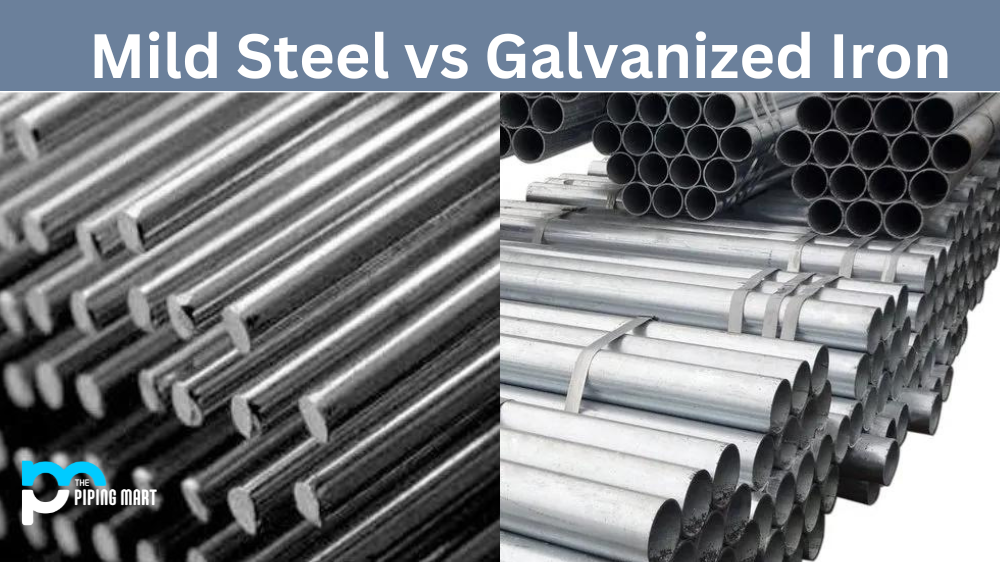
Imagine a weekend DIY project. If you're building something that needs to be super robust and able to withstand harsh weather, like an outdoor grill stand or a sturdy garden planter, galvanized steel is your go-to. It’s reliable, strong, and will keep looking good through all your barbecue sessions and planting endeavors. You can literally build things that last!
On the other hand, if you're aiming for a more vintage aesthetic, perhaps restoring an old piece of furniture or creating some charming garden art, galvanized iron might be your choice. It has a certain patina, a history etched into its surface. Working with it can feel like connecting with the past, adding character and soul to your creations.
Think about the sheer joy of seeing a project you’ve built, something you’ve poured your heart into, stand strong and proud, defying the elements for years. That’s the fun! It's the satisfaction of creating something that endures, something that contributes to your life and surroundings in a positive, lasting way.
And let's not forget the visual appeal. That distinctive, slightly matte, silvery-gray finish of galvanized metal? It’s a look that’s both industrial and surprisingly chic. It complements so many styles, from modern minimalist to rustic farmhouse. It’s metal that doesn’t just do a job; it looks good doing it!
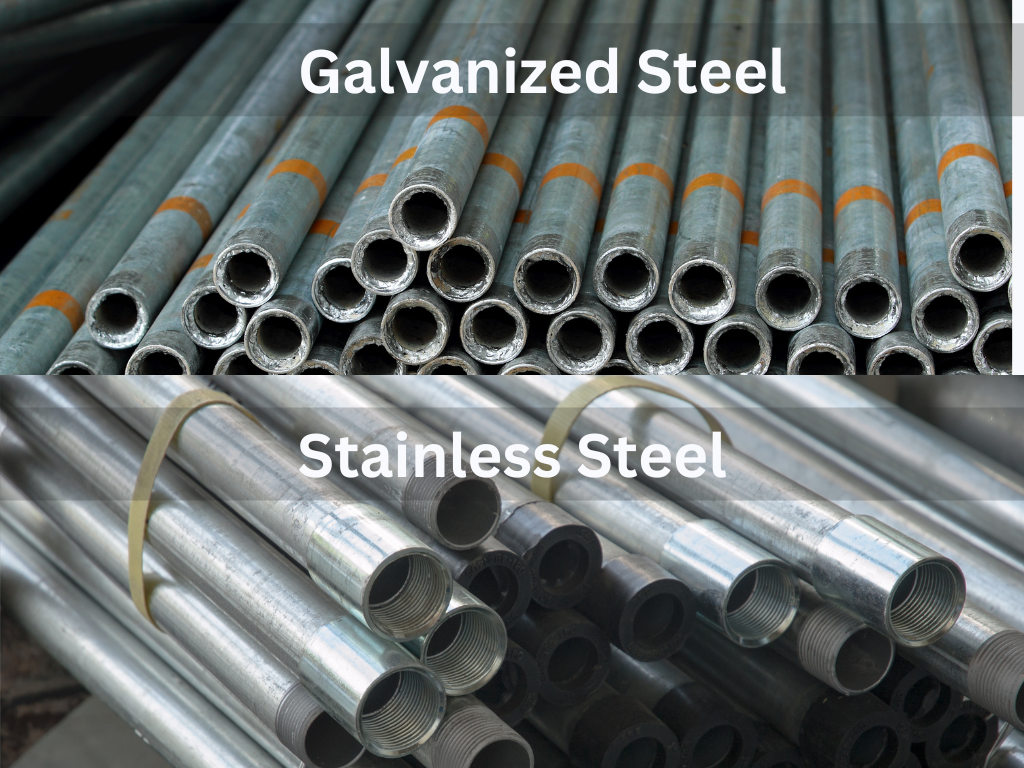
The choice between galvanized iron and steel often comes down to the specific needs of your project and the aesthetic you’re aiming for. Are you building a skyscraper? You’re probably using galvanized steel. Are you creating a charming, rustic garden gate? Perhaps galvanized iron has a role to play. It’s like choosing the right tool for the job, or the perfect ingredient for a recipe – the right material can make all the difference!
Embrace the Enduring Power!
So, the next time you see something made of galvanized metal, take a moment to appreciate it. It's not just a hunk of metal; it's a testament to clever engineering and protective coatings that let it stand the test of time. It’s a small victory against rust, a silent guardian of our structures and possessions.
Whether you’re a seasoned DIYer, a budding artist, or just someone who appreciates well-made things, understanding the difference between galvanized iron and steel can open up a whole new world of possibilities. It might even inspire you to start your own project, to build something that will last, something that will bring you joy for years to come.
Don't be afraid to explore! Peek at your garden shed, your outdoor furniture, even the railings on your balcony. See the galvanized magic for yourself. And who knows, perhaps this little dive into the world of zinc-coated metals will spark a bigger curiosity. Maybe you'll start researching building materials, or perhaps you'll be inspired to try a new DIY project. The world of materials is vast and fascinating, and a little bit of knowledge can go a long way in making your life, and your creations, that much more inspiring and enduring. Go forth and discover!