
Galvanized Steel Vs Zinc Plated

So, there I was, staring at this rusty old gate. Honestly, it was more of a memory than a gate at this point, a collection of sad, orange streaks and a general air of "I've given up." My granddad, bless his practical soul, had put it up when I was knee-high to a grasshopper. He'd always hammered home the importance of doing things right, especially when it came to keeping the weather at bay. He'd gesture expansively at various bits of metalwork around the farm, muttering about "protection" and "keeping the rot out."
One afternoon, whilst helping him with some fence repair – a glorious job involving more sweat than skill on my part – he pointed to some shiny new bolts. "See these, kiddo?" he'd said, his voice gruff but kind. "Gonna last a good long while. Keeps the rust bunnies away, you know." I, being a typical kid, probably nodded along, more interested in the prospect of ice cream than metallurgy. But the idea of "keeping the rust bunnies away" stuck with me. It sounded like a superhero mission for metal.
Fast forward a couple of decades, and I’m standing in a hardware store, utterly bewildered. I needed something for an outdoor project – a little bird feeder, nothing too dramatic, but I wanted it to survive more than one rainy season. And there it was: a bewildering array of metal bits, all claiming to be tough, all looking… well, metallic. The labels, though! "Galvanized," "Zinc Plated." What's the difference, really? Is it just fancy words for "not going to rust immediately"? It felt like a pop quiz I hadn't studied for.
This, my friends, is where our little journey into the world of metal protection begins. Because, as it turns out, "galvanized" and "zinc plated" aren't just interchangeable buzzwords. They’re two different approaches to essentially the same goal: keeping that pesky iron oxide – rust, to you and me – from making a mess of our beloved metal things.
The Big Question: Galvanized Steel vs. Zinc Plated – What’s the Deal?
Let's break this down. At its heart, the goal is to give steel a protective coat. Steel, as most of us know, is pretty darn strong. It’s the backbone of so many things. But give it a bit of moisture and air, and it starts to get a bit… sad. It oxidizes, forming that tell-tale reddish-brown crust that weakens it and, let's be honest, looks pretty grotty. Nobody wants grotty.
So, we need a sacrificial lamb, or rather, a sacrificial coating. And for that, we often turn to zinc. Why zinc? Well, it’s a bit of a hero in the corrosion protection world. It’s more reactive than iron, meaning it’s the first to take a hit from oxygen and moisture. It essentially sacrifices itself to save the steel underneath. Think of it as a tiny, metallic bodyguard.
Galvanizing: The Full Immersion Experience
When we talk about galvanized steel, we're usually talking about a process called hot-dip galvanizing. And let me tell you, it sounds about as intense as it is. Imagine taking a steel object – a bolt, a sheet of metal, a whole railing – and dunking it into a bath of molten zinc. We’re talking temperatures around 450°C (around 840°F). That’s hot enough to make your kitchen oven look like a refrigerator.
This isn't just a quick dip, either. The steel spends a good amount of time in this molten zinc. During this time, a metallurgical bond forms. This is the key difference, folks! It’s not just a layer on the steel; it's a layer that actually bonds with the steel at a molecular level. It creates a complex alloy layer, a bit like a super-strong, protective skin.
Think of it like this: imagine you’re painting a wall. You put on a few coats of paint, and it looks good, right? That’s kind of like zinc plating. Now, imagine you're actually fusing the paint into the plaster itself, so it becomes part of the wall. That’s more like galvanizing. It’s a much more integrated and robust protection.
This process creates a thick, durable coating of zinc. It’s tough, it’s resilient, and it’s designed for the long haul, especially in demanding environments. You’ll often see galvanized steel used for things like outdoor furniture, structural beams, guardrails, agricultural equipment, and, yes, those sturdy fence posts that Granddad would have approved of.
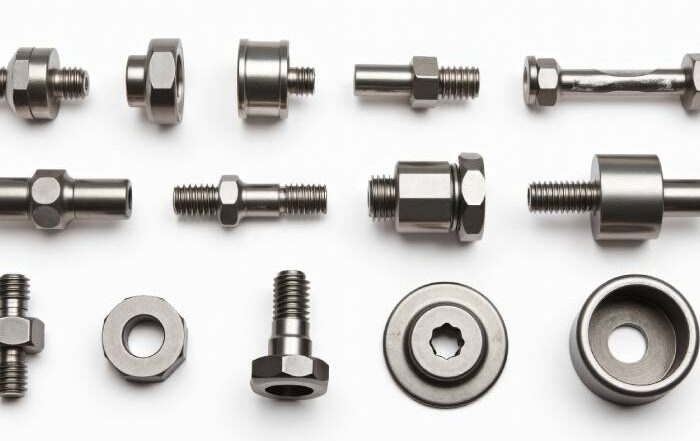
The surface of hot-dip galvanized steel can look a bit… well, industrial. It might have a spangled or patterned appearance, sometimes called a "bloom." Some people love this look; others… not so much. It's a sign of its protective might, though!
Zinc Plating: The Electroplated Buddy
Now, let's talk about zinc plating. This is also known as electroplating or electrogalvanizing. It’s a different beast entirely. Instead of a molten bath, we’re talking about an electrochemical process. Essentially, the steel object is immersed in an electrolyte solution containing zinc ions, and an electric current is used to deposit a layer of zinc onto the steel’s surface.
Think of it as a more precise, controlled application. It’s like using a very fine brush instead of a roller. This method typically results in a much thinner and more uniform coating of zinc compared to hot-dip galvanizing. It can also provide a smoother, more aesthetically pleasing finish.
Because the coating is thinner, zinc plating is generally considered to offer less long-term, heavy-duty protection than hot-dip galvanizing. It's more suited for indoor applications or environments where the exposure to harsh weather is less intense. You'll find zinc-plated fasteners, screws, nuts, bolts, and various metal components used in electronics and appliances.
There are different types of zinc plating, too, including clear, yellow, and black passivation. These are thin chromate conversion coatings applied over the zinc plating to provide an extra layer of corrosion resistance and to give them their distinctive colors. The yellow (often called "yellow zinc" or "gold zinc") is pretty common and gives that classic, slightly golden sheen.
So, if you need something that looks sleek and has a decent amount of protection for moderate conditions, zinc plating is often the go-to. It’s a more affordable option for many applications, and it doesn't have that rugged, sometimes uneven look of hot-dip galvanizing.
The Key Differences Summarized (Because Who Doesn’t Love a List?)
Alright, let's get to the nitty-gritty. If you’re still scratching your head, here’s a quick rundown of the main distinctions:
Coating Thickness:
Galvanized (Hot-Dip): Generally much thicker. This means it offers superior, long-lasting protection.
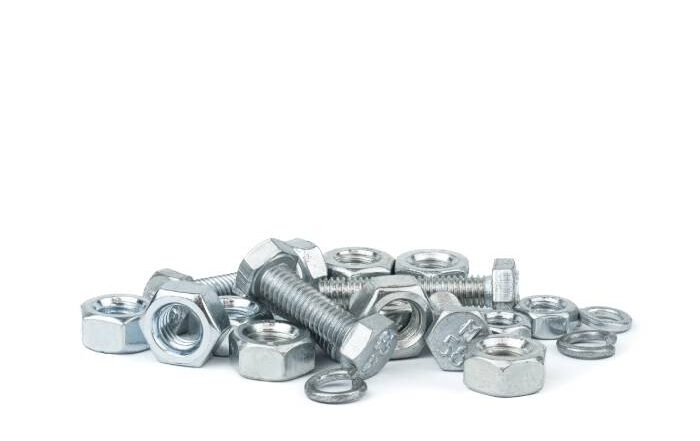
Zinc Plated (Electroplated): Thinner and more uniform. Good for moderate protection and aesthetics.
Bonding Method:
Galvanized (Hot-Dip): Forms a metallurgical bond. The zinc alloys with the steel, creating a strong, integrated coating.
Zinc Plated (Electroplated): A mechanical bond. Zinc is deposited onto the surface.
Corrosion Resistance:
Galvanized (Hot-Dip): Superior. Designed for harsh, outdoor environments and extended service life.
Zinc Plated (Electroplated): Good for indoor or less severe outdoor conditions. Less robust than hot-dip for extreme exposure.
Appearance:
Galvanized (Hot-Dip): Can be rougher, with spangles or patterns. More of an industrial look.
Zinc Plated (Electroplated): Smoother, more uniform finish. Can be bright and shiny, or colored with passivation.
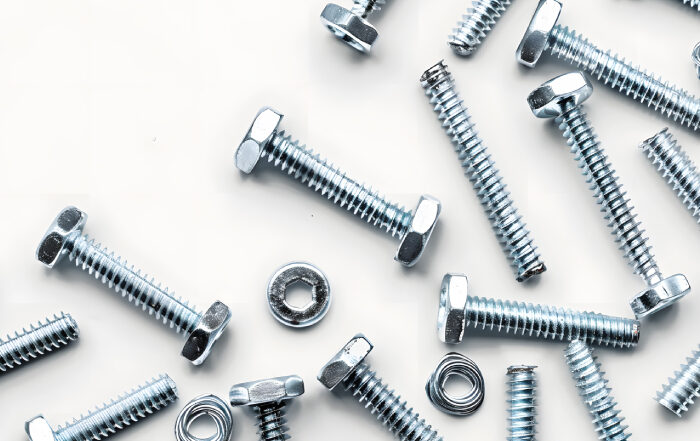
Application:
Galvanized (Hot-Dip): Heavy-duty outdoor applications: structural steel, fencing, outdoor furniture, bridges, etc.
Zinc Plated (Electroplated): Indoor applications, light-duty fasteners, automotive parts, electronics, household items.
Cost:
Galvanized (Hot-Dip): Generally more expensive due to the process involved.
Zinc Plated (Electroplated): Typically more cost-effective for many applications.
When to Choose Which? The Granddad Test
So, how do you decide? Well, channel your inner Granddad. Ask yourself: "What’s this going to be used for, and how long do I need it to last without turning into a rust monument?"
If you’re building something that’s going to be exposed to the elements 24/7, something that needs to withstand rain, snow, salt, and general outdoor abuse for years to come, then hot-dip galvanizing is your best bet. It's the heavyweight champion of zinc coatings. That rusty gate of Granddad’s? It was probably galvanized, and that's why it lasted so long, even if it eventually succumbed to time and a particularly enthusiastic patch of ivy.
If, however, you're looking for that neat, shiny finish for something that's mostly going to hang out indoors, or maybe on a covered patio where it won't get pummeled by weather, zinc plating is perfectly adequate. It’s a great option for smaller hardware, decorative items, or anything where appearance is as important as basic protection, and the environmental exposure isn't extreme.
It's a bit like choosing between a full-on, heavy-duty waterproof jacket for a trek in the Himalayas versus a stylish windbreaker for a stroll in the park. Both offer protection, but their purpose and level of resilience are vastly different.
The "Sacrificial" Nature: A Bit More Sciencey Stuff
I mentioned zinc being a "sacrificial" coating. Let’s unpack that a little, because it’s actually pretty cool. It's all thanks to electrochemistry. Zinc has a lower electrode potential than iron. In the presence of an electrolyte (like water), zinc will corrode preferentially to iron. This means that even if the zinc coating gets scratched, exposing the steel underneath, the zinc will continue to protect the steel by corroding itself.
It’s like the zinc is saying, "Go on, rust bunnies, come and get me! Leave my steel buddy alone!" This is known as galvanic protection. It's a fundamental principle that makes both galvanizing and zinc plating effective.
Hot-dip galvanizing, due to its thickness and the alloying process, offers this protection over a much longer period and can even protect minor scratches more effectively than thinner zinc plating. Zinc plating still offers this protection, but its lifespan is directly tied to the thickness of the coating.
A Word on Other Coatings (Because We’re Curious, Right?)
While we’re talking about zinc, it’s worth a quick nod to other protective coatings, just so you’re not completely lost if you see other labels. You might encounter things like cadmium plating (less common now due to environmental concerns), nickel plating, or chromium plating. These offer different levels of corrosion resistance and aesthetics, but zinc remains one of the most common and cost-effective solutions for steel protection.
And don't forget paints and powder coatings! These are applied on top of the metal and form a barrier. They’re great, but if the coating gets damaged, the steel underneath is directly exposed to the elements. Zinc coatings, on the other hand, offer that "sacrificial" backup even when scratched.
The Verdict? It Depends on the Mission!
So, there you have it. Galvanized steel and zinc plating are both methods to protect steel from rust using zinc, but they achieve this through different processes, resulting in varying levels of durability, appearance, and cost.
Next time you’re staring at a pile of hardware, don't just grab the cheapest or the shiniest. Take a moment to think about its destiny. Will it be battling blizzards or just hanging out in the spare room? The answer will guide you to the right kind of zinc-y protection.
And maybe, just maybe, you’ll hear a gruff voice in the back of your mind, much like Granddad’s, reminding you to do it right, to keep those rust bunnies at bay for as long as possible. It’s a noble cause, really, protecting our stuff from the slow, insidious creep of oxidation. Now go forth and choose wisely!