
Gas Metal Arc Welding Meaning
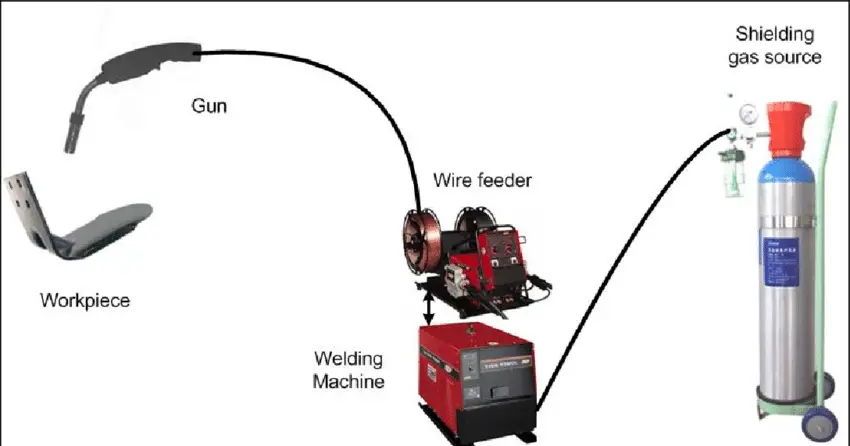
Ever seen those sci-fi movies where people fix spaceships with a dazzling, crackling light? That's kind of like what we're talking about today, but way more down-to-earth. We're diving into the magical world of Gas Metal Arc Welding. Yep, it's a mouthful, I know. Most of us just call it GMAW, or even more casually, MIG welding. Think of it as the superhero of joining metal pieces together.
Now, before your eyes glaze over with images of greasy overalls and dangerous sparks (though there are sparks, let's be real), let me tell you, this stuff is actually pretty cool. It’s like the ultimate glue for metal, but instead of waiting hours for it to dry, you get a super-strong bond in seconds. Plus, it looks awesome while it's happening. That bright, shimmering light? It's not just for show. It's the sound of metal becoming one, a tiny, controlled explosion of togetherness.
So, what exactly is this fancy-pants Gas Metal Arc Welding all about? Imagine you have two pieces of metal that need to become one. Maybe it's a wobbly bike frame, a broken garden gate, or even the chassis of a car (though that’s a bit more advanced). Instead of a hammer and nails, you grab a special welding gun. This gun is a bit like a magic wand, but it shoots out a thin wire and a protective gas at the same time.
The wire is actually the metal you’re using to join things. It’s like a super-thin metal spaghetti that gets fed through the gun. As this wire touches the two pieces of metal you want to join, zap! A powerful electric current flows. This electricity heats up the tip of the wire and the metal pieces to an insanely high temperature. We're talking hotter than a dragon's sneeze. This intense heat melts the metal, creating a tiny puddle of molten goodness.
And that’s where the "gas" part comes in. While all this melting is happening, a stream of special gas, usually something like argon or a mix of gases, blasts out from the welding gun. Think of this gas as a bodyguard. It swoops in to protect that shiny, new metal puddle from the air around it. If the air gets to the molten metal, it can make the weld weak and brittle. Like trying to build a sandcastle during a hurricane – not a good look.

The gas shields the molten metal, keeping it pure and strong as it cools and hardens. So, you have this continuous wire melting, this protective gas swirling, and a beautiful, glowing arc of electricity dancing between the wire and the metal. It’s a bit like a synchronized swimming routine, but with molten metal and electricity.
The result? A solid, seamless connection. The melted wire flows into the melted edges of the two pieces, and when it cools down, they're essentially fused together. It’s a permanent embrace. They are now one. No more wobbling, no more breaking. Just strong, dependable metal.

One of the reasons GMAW is so popular is because it's relatively easy to learn, at least for the basics. You can get a decent weld with a bit of practice. It’s not like you need a PhD in metallurgy to start fixing things. You just need the right equipment, a little bit of know-how, and maybe some stylish welding gloves and a helmet. Safety first, always!
And let's be honest, there’s a certain satisfaction that comes with creating something strong and durable with your own hands. It’s the feeling of being a modern-day blacksmith, but with way less sweat and considerably more high-tech gadgetry. You’re not just repairing; you're creating. You're transforming pieces of metal into something new, something that can withstand the test of time.
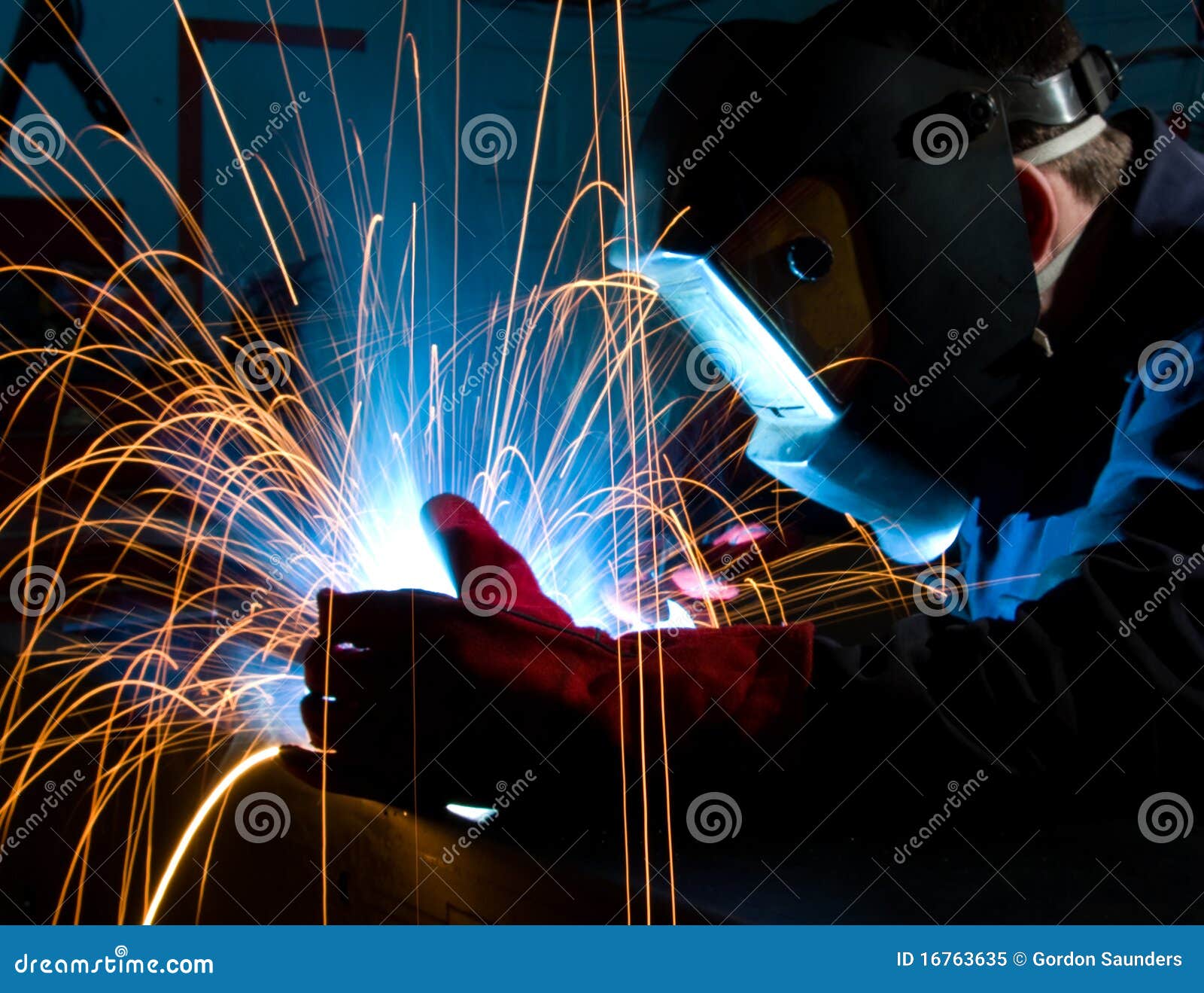
Think about it. From building cars that zoom down the highway to crafting intricate sculptures that grace art galleries, GMAW is everywhere. It’s the silent workhorse of so many industries. It’s the reason your trusty old car doesn’t fall apart, and the reason that sleek metal chair you’re sitting on is sturdy.
Now, here’s my potentially unpopular opinion: GMAW welding is actually pretty zen. Yes, I said it. Zen. You’re focused, you’re in the zone, you’re creating something tangible with precise movements and controlled heat. It's a meditative dance between man and machine, a flowing stream of molten metal guided by a steady hand. The rhythmic hum of the welding machine, the mesmerizing glow of the arc… it’s like a metal-working meditation retreat.

Of course, there’s a learning curve. You can't just pick up a welding gun and expect to build a spaceship on your first try. You’ll probably make some… interesting looking welds at first. Think of them as abstract art pieces. But with practice, you get better. You learn to control the speed, the angle, the amount of heat. You learn to make those beautiful, consistent beads of weld that look almost too good to be functional.
It’s like learning to ride a bike, but instead of falling on your knees, you might just end up with a slightly lumpy piece of metal. And that’s okay!
So, the next time you see someone welding, or you’re thinking about tackling a metal project, remember Gas Metal Arc Welding. It’s not just a technical process; it’s a way to fuse, to create, and maybe, just maybe, to find a little bit of inner peace amidst the sparks and the sizzle. It’s the everyday magic that holds our world together, one molten bead at a time.