
Getting Rid Of Scratches On Stainless Steel

Ah, stainless steel. The shining knight of our kitchens. It looks so elegant, so… unblemished. Until, of course, it’s not.
We've all been there. You’re washing a pan, maybe humming a little tune. Suddenly, a rogue spatula makes a daring escape from your grasp. Clang! There it is. A scratch. A tiny, insignificant scratch. But to you, it’s a flashing neon sign of your kitchen clumsiness.
And then the panic sets in. How do we fix this? Do we just… live with it? Is this the beginning of the end for our once-gleaming appliance?
Here’s my unpopular opinion: sometimes, these scratches are just… character. Think of them as battle scars. Each one tells a story of a particularly ambitious stir-fry, or a valiant attempt at making toast without burning it.
But, I get it. Not everyone wants their refrigerator to look like it’s been through a wrestling match with a herd of wild kittens. So, for those of you who are still on the quest for that pristine, factory-fresh shine, let’s talk about banishing those tiny terrors.
First, the gentlest approach. Imagine you’re soothing a fussy baby. You need something soft. So, grab a microfiber cloth. Yes, those fuzzy wonders you probably keep stashed away for special occasions.
Now, here’s where things get a little… creative. Some folks swear by baking soda. It’s like the grandmother of cleaning agents, always there with a gentle, yet effective, solution. You make a paste, a little thicker than pudding.
You then gently rub this paste onto the scratch. Think of it as a spa treatment for your stainless steel. You’re not scrubbing a stubborn stain; you’re gently coaxing the scratch to surrender.
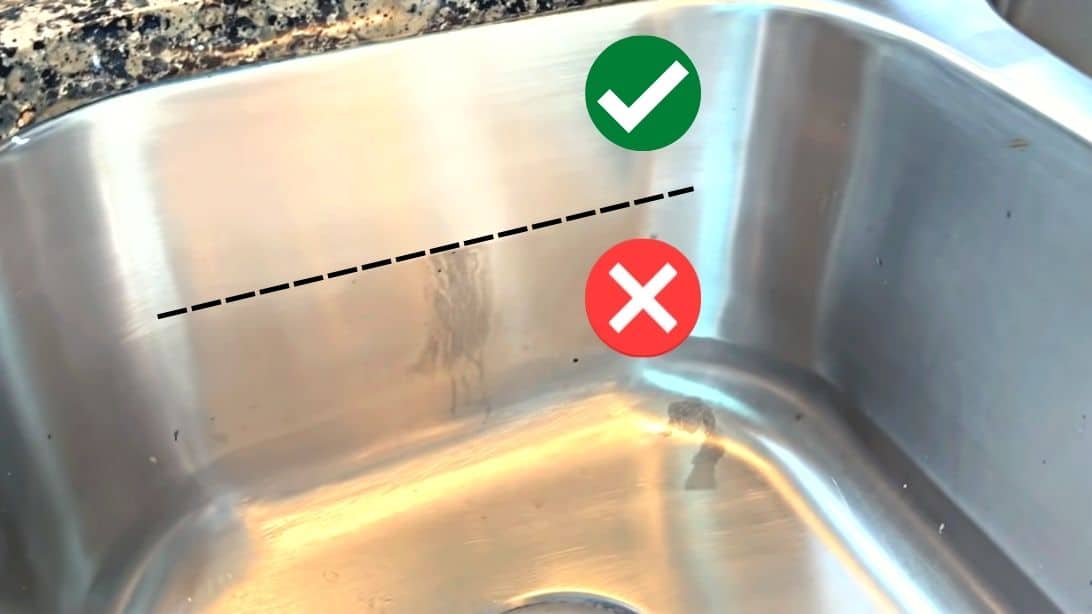
Then, with a clean, damp microfiber cloth, you wipe it all away. Rinse and repeat, they say. But be warned, this is for superficial scratches. The kind that make you squint to even see them.
What about those slightly deeper ones? The ones that feel like tiny canyons? For these, we might need to step up our game. Enter the world of specialized stainless steel cleaners. These are designed for the job, after all.
You’ll find them in little bottles, promising miracles. Read the instructions carefully. They usually involve a gentle rub in the direction of the steel’s grain. Think of it as following the flow, not fighting against it.
And speaking of grain, this is important! Stainless steel has a grain, just like wood. You need to rub with the grain, not against it. Imagine you’re petting a very well-behaved cat. You go with the fur, not against it.
Some people go for the almost-too-scary approach: mild abrasives. This sounds dramatic, I know. Like you’re about to bring out the industrial sandpaper. But we’re talking mild.

Think of things like non-gel toothpaste. Yes, toothpaste! The stuff you use to brush your teeth. Apparently, it has just enough grit to buff out minor imperfections.
You apply a small amount to a soft cloth and gently rub in the direction of the grain. It’s like giving your stainless steel a tiny polish, a little pick-me-up.
Another household hero that sometimes makes an appearance is vinegar. White vinegar, specifically. It’s a bit like a stern but fair teacher. It cuts through grime and can sometimes help with those duller scratches.
You can use it diluted with water, or sometimes straight up for a tougher situation. Again, soft cloth, gentle rubbing, and always with the grain. You’re coaxing, not conquering.
Now, for the truly adventurous. There are also scratch removal kits. These are a bit more involved. They often come with different grits of sandpaper or buffing pads.

This is where you really need to pay attention to the grain. Imagine you’re a surgeon, performing a delicate operation. Precision is key. You start with a finer grit and work your way up, gently removing the scratch.
Then, you buff it back to a shine. It’s a process, and it can be a little nerve-wracking. But for those who crave that flawless finish, it can be a lifesaver.
My personal philosophy? For a tiny scratch on my dishwasher, I might sigh dramatically and then forget about it five minutes later. It’s a badge of honor. It means the appliance is used. It’s part of the family.
But for that brand-new pot you just bought? Or the face of your beloved refrigerator? Then, by all means, unleash the baking soda paste! Grab your microfiber cloths and get to work.
Remember, the key is to be gentle. Stainless steel is resilient, but it’s not indestructible. Think of it as a delicate dance, not a demolition derby.
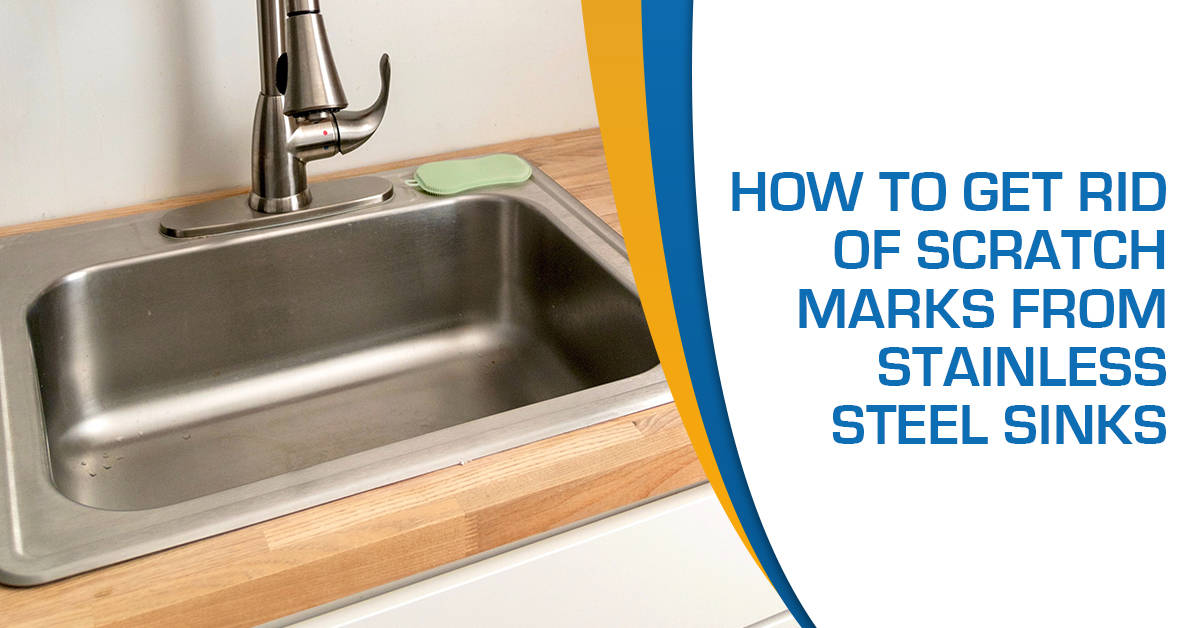
And if all else fails, and you’re still staring at a scratch that mocks you? Consider this: could it be… a conversation starter? "Oh, that scratch? That was the night we attempted to make soufflé for the first time. A culinary adventure, indeed!"
Sometimes, embracing the imperfections makes them less of a problem and more of a story. But if you’re determined to make it disappear, remember to be gentle, work with the grain, and perhaps have a little bit of patience. Happy polishing!
Unpopular Opinion Alert: Scratches add personality. Let them tell their tale!
But if you must restore that showroom gleam, remember the power of a good microfiber cloth and the magic of a gentle touch. These are your allies in the war against kitchen wear and tear.
So go forth, brave kitchen warriors! May your stainless steel shine, or at least, may your scratches tell an entertaining story.