
God Is Not Great : How Religion Poisons Everything

Hey everyone! So, I've been doing some reading lately, and one book really got me thinking. It's called God Is Not Great: How Religion Poisons Everything, by Christopher Hitchens. Now, before you roll your eyes or get your hackles up, hear me out! This isn't some kind of aggressive attack piece. It's more like a really curious dive into why someone would even say something so bold. You know, like when you see a really strange sculpture and you're not sure if you love it or hate it, but you definitely want to figure out what the artist was trying to do?
That's kind of how this book felt to me. It's a bit like peeling back the layers of a really complex onion. You might not like what you find in every layer, but the process itself is… well, fascinating. Hitchens, he's got this way of looking at things with a really sharp, analytical eye, almost like a detective examining a crime scene, but instead of a crime, he's looking at the impact of religion on, well, everything.
So, the title itself, "God Is Not Great," is pretty provocative, right? It's designed to grab your attention, like a really loud siren. And it definitely did. But what does it actually mean? Is it saying there's no God? Or is it saying that even if there is, religion, as humans have organized and practiced it, hasn't exactly been a force for pure, unadulterated good in the world? That's the juicy part, the part that makes you lean in and say, "Okay, tell me more."
Hitchens dives into history, into science, into philosophy, and he uses a whole lot of examples to back up his claims. He's not just throwing accusations around; he's building a case. And the "poisons everything" part? That's where it gets really interesting. He talks about how religion, in his view, can stifle scientific progress. Think about it: for centuries, people were afraid to question established religious doctrines, even when new discoveries were staring them in the face. It’s like having a perfectly good map, but refusing to look at it because someone told you it’s the only map that exists, and it’s perfect. Doesn’t that sound a little… limiting?
Science vs. Faith: A Timeless Debate
He brings up Galileo, for instance. Here's a guy who looked at the stars and saw something new, something that challenged the accepted wisdom. And what happened? Well, he had a pretty rough time of it, to put it mildly. Hitchens uses these stories to argue that sometimes, religion can be like a stubborn gatekeeper, holding back the floodgates of knowledge. It’s not that science is inherently better than faith, but rather that religion, in its more rigid forms, can be a real roadblock to understanding the world around us.
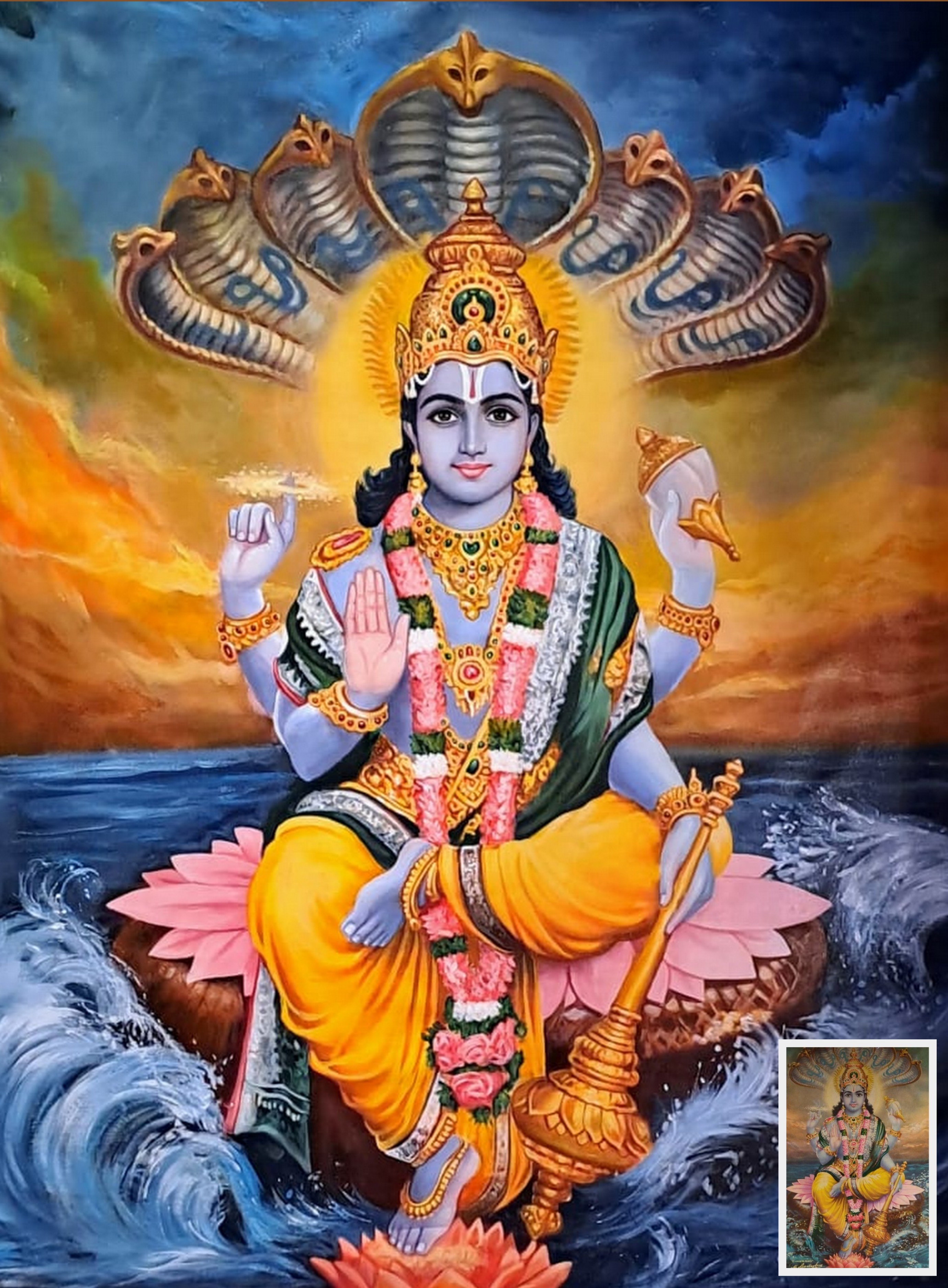
And then there's the whole idea of morality. We often hear that religion is the source of our moral compass, the thing that tells us right from wrong. But Hitchens, and a lot of other thinkers, question that. He'd argue that morality can exist independently of religious belief. I mean, do you need to believe in a divine reward or punishment to be a good person? Can't empathy, reason, and a desire to live in a decent society be enough? It's like asking if you need a recipe to enjoy a delicious meal. Maybe the ingredients and your own sense of taste are sufficient, right?
He also goes into how religion can be used to justify all sorts of terrible things. Wars, persecution, discrimination – you name it. It's like using a beautifully decorated shield to hide a very sharp, dangerous sword. The imagery can be appealing, the words comforting, but the impact can be devastating. He doesn't shy away from pointing out the historical instances where religious dogma has led to immense suffering. It’s not about saying all religious people are bad, not at all. But it’s about examining the system and its consequences.
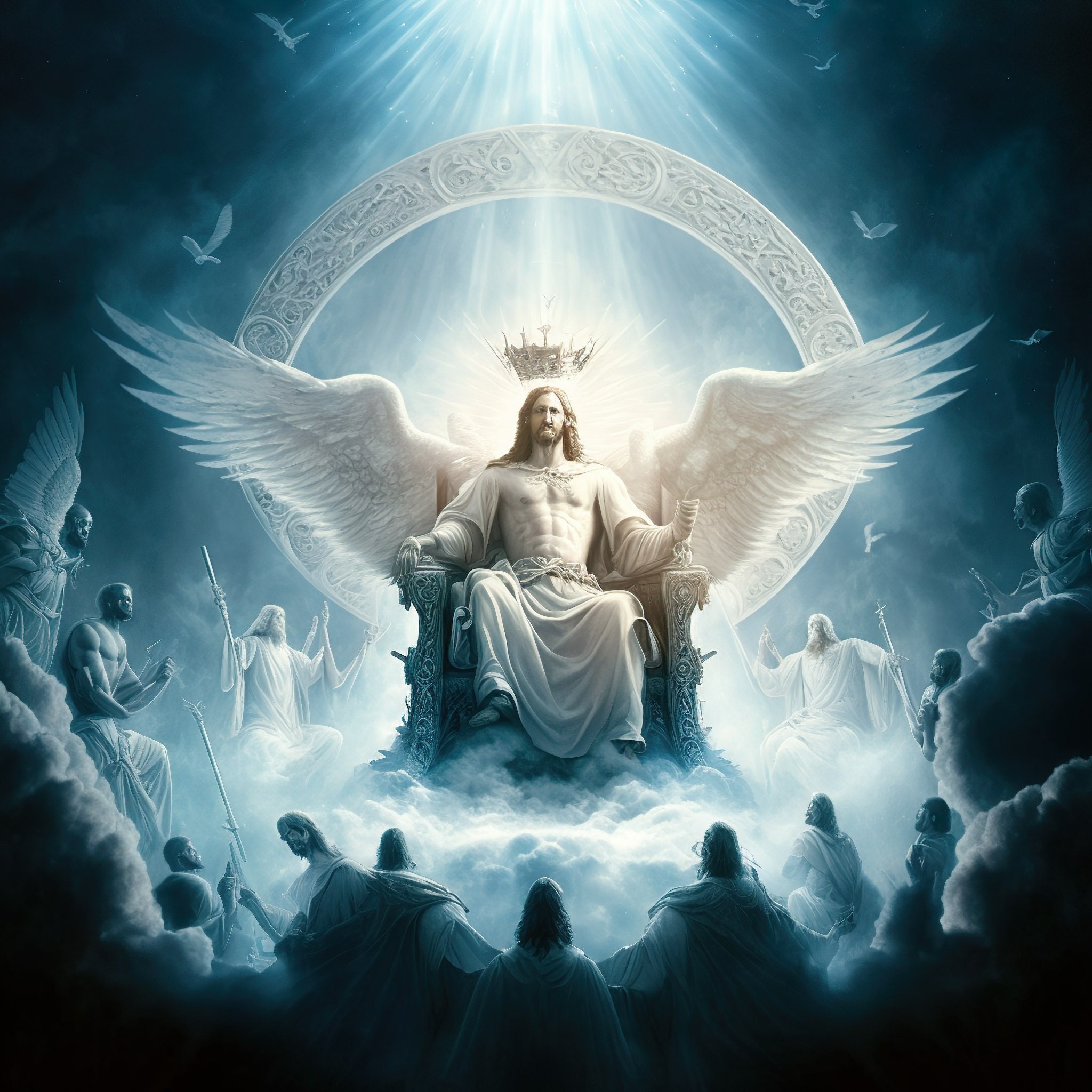
The "Poisoning" Effect on Society
One of the things that really stuck with me is his discussion of how religion can impact our view of ourselves and others. He suggests that some religious teachings can foster a sense of superiority, or a fear of the "other." It’s like a club that has really strict rules for who gets to be a member, and everyone outside is… well, not good enough. This can lead to division, to prejudice, and to a lack of understanding between different groups of people. And in a world that’s already pretty complicated, anything that makes it more divided feels like a bit of a bummer, doesn’t it?
Hitchens also talks about the idea of faith itself. He’s not a fan of believing things without evidence. For him, it’s like building a magnificent castle on quicksand. It might look impressive for a while, but it’s not built on solid ground. He’d rather have a well-supported theory, even if it’s not as grand or as certain as a religious tenet. It's like preferring a sturdy, well-built house over one that's constantly swaying in the wind. You know, for practical reasons!

Now, I’m not saying I agree with everything Hitchens says. That would be missing the point of being curious, wouldn’t it? This book is a starting point for conversations. It’s a challenge to think critically about something that so many people accept without question. It’s like getting a really interesting riddle, and the fun is in trying to solve it, even if you don't get it perfect.
So, if you're someone who likes to question things, who enjoys a good intellectual sparring match, or who just wants to understand different perspectives, then God Is Not Great might be a book worth picking up. It’s not about being angry; it’s about being curious. It's about looking at the world with open eyes and asking the hard questions, even when the answers might be a little uncomfortable. And in a world that’s constantly changing, isn't that one of the coolest things we can do?