
Grade Of Difficulty In Japanese Martial Arts
Ever watched a samurai movie or an anime filled with incredible martial arts action and thought, "Wow, how do they get that good?" Well, the secret isn't just flashy moves; it's a structured system of progression, especially in Japanese martial arts. Think of it like leveling up in your favorite video game, but with real-world skills and discipline! Understanding the "grade of difficulty" – often referred to as kyu and dan ranks – is like unlocking the cheat codes to appreciating the journey of a martial artist. It’s a fascinating peek behind the curtain, revealing the dedication, patience, and sheer hard work that goes into mastering these ancient arts.
The purpose of this ranking system is pretty straightforward: to provide a clear roadmap for a student's development. It’s a way for instructors to gauge progress, and for students to set achievable goals. This isn't just about punching and kicking harder; it’s about cultivating mental fortitude, developing a deeper understanding of the art's principles, and honing a refined technique. The benefits of this structured approach are immense. For beginners, it breaks down what can seem like an overwhelming discipline into manageable steps. Imagine trying to climb Mount Everest in one go – impossible! But taking it one base camp at a time? Totally doable. This gradual increase in difficulty builds confidence and prevents discouragement. For more advanced practitioners, it offers a continuous challenge, ensuring they never stop learning and improving. It fosters a sense of accomplishment with each new rank achieved, reinforcing the value of consistent effort.
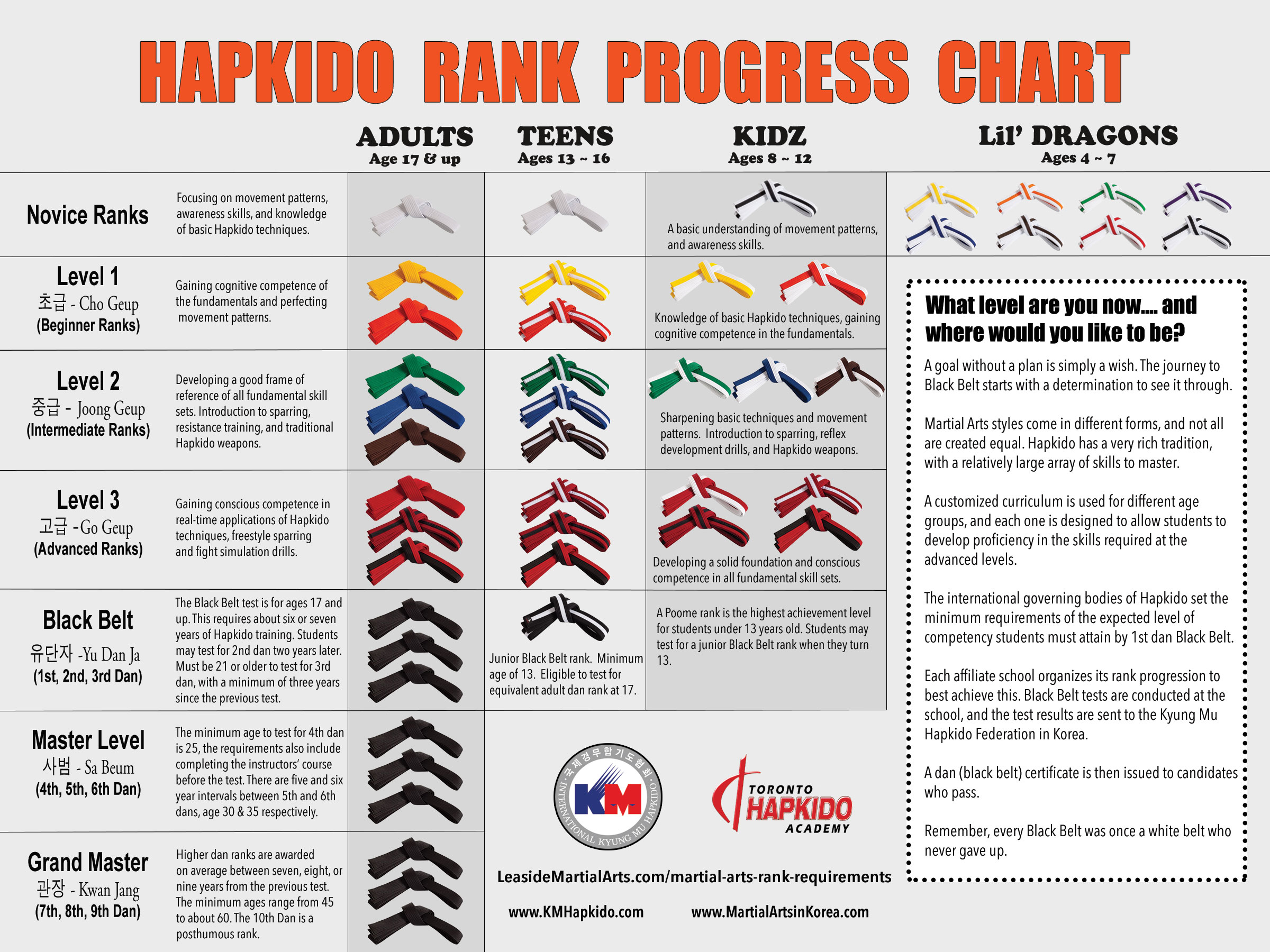
So, how does it actually work? In most Japanese martial arts, you'll encounter two main categories of ranks: kyu grades and dan grades. Let’s start with the kyu grades. These are typically for beginners and intermediate students. Think of them as the foundational levels. The numbering usually starts high (like 10th kyu) and counts down towards the next major milestone. So, 10th kyu is the very beginning, and as you progress, you might achieve 9th kyu, 8th kyu, and so on, until you reach 1st kyu. This is your final step before entering the more advanced world of dan ranks. Each kyu grade represents a set of skills, techniques, and knowledge that you need to demonstrate proficiency in. It's about mastering the basics, understanding proper form, and developing a solid foundation in the art.
Once you’ve conquered the kyu grades, you’re ready to enter the realm of dan ranks. This is where things get really interesting! The dan ranks are generally for advanced students and instructors. Unlike the descending numbers of the kyu grades, dan ranks start at 1st dan (often called Shodan) and count upwards. Shodan is a significant achievement, marking the transition from a student to a more seasoned practitioner. It signifies that you have a strong grasp of the fundamentals and are ready to explore the art more deeply. From Shodan, you’ll progress through 2nd dan (Nidan), 3rd dan (Sandan), and so on. The higher the dan rank, the greater the expertise, experience, and often, the level of responsibility within the martial arts community. Achieving higher dan grades can take many years, even decades, of dedicated practice and often involves demonstrating not just technical skill but also leadership, teaching ability, and a profound understanding of the art's philosophy.
What makes this system so engaging is that it’s not just about passing a test. It’s a journey of self-discovery and continuous improvement. Each rank presents new challenges, requiring you to refine your existing skills and learn new, more complex techniques. It’s a constant push to be better than you were yesterday. For example, a 1st kyu student might be perfecting their basic movements, while a 1st dan is expected to not only execute those movements flawlessly but also understand their application and perhaps even begin to teach them. The progression encourages a mindset of lifelong learning, a core tenet of many Japanese martial arts.
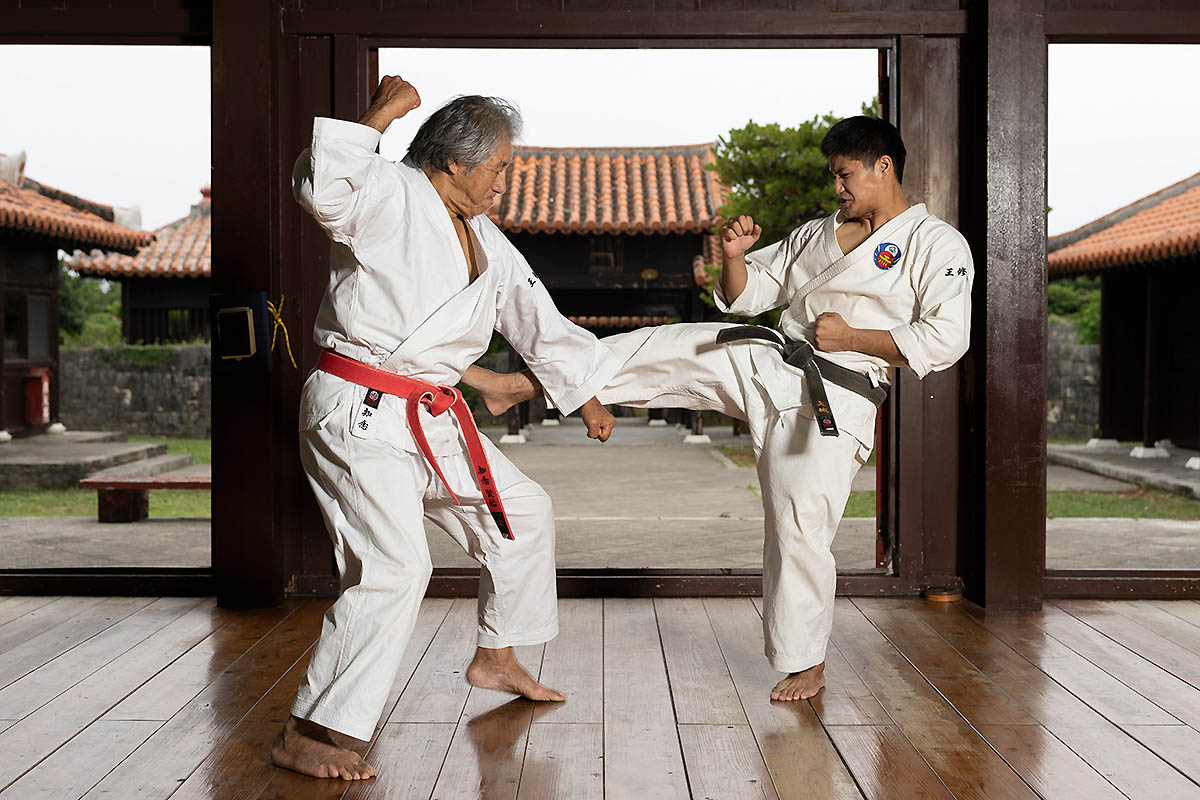
Consider Karate, for instance. A beginner might start with 10th kyu, learning stances like the zenkutsu-dachi (forward stance) and basic punches like the gyaku-zuki (reverse punch). As they climb through the kyu grades, they’ll learn more advanced blocks, kicks, and a wider array of kata (pre-arranged forms). Reaching Shodan means they can competently perform numerous kata, execute techniques with power and precision, and understand the underlying principles of Karate. From there, Nidan and beyond involves deeper study, perhaps specializing in certain aspects of the art or developing their own teaching methodology. The same logic applies to arts like Judo, Aikido, and Kendo, each with its own unique nuances but sharing this fundamental structure of rank progression.
This grading system isn’t just about a belt color or a certificate; it's a testament to years of dedication. When you see someone wearing a black belt (which typically signifies a 1st dan or higher), you’re looking at someone who has committed significant time and effort to their training. It represents discipline, perseverance, and a deep respect for the art. It’s a visual cue that they have earned their place through hard work and consistent practice. The journey from 10th kyu to 1st dan, and then on to higher dan grades, is a powerful metaphor for life itself. It teaches us the importance of patience, the rewards of consistent effort, and the value of never stopping the pursuit of mastery. So, the next time you witness a martial arts demonstration or hear about someone’s rank, remember the intricate system of difficulty that lies beneath the surface – a system that makes the journey as rewarding as the destination itself.