
Han Solo Dies In The Force Awakens

Okay, so let's talk about something that still feels a little… weird, right? Han Solo dying in The Force Awakens. It's one of those moments that kinda hit you like a ton of Beskar steel, even if you saw it coming a mile away. Remember seeing it in the theater? The whole place went from buzzing with excitement to this hushed, stunned silence. It was palpable.
And you know, it's not every day a character who’s basically the heartbeat of a franchise for decades gets written off. Han Solo. The scruffy-looking nerf herder himself. The guy who went from a selfish smuggler to a reluctant hero, and then all the way back to… well, we'll get to that. It’s a big deal, and honestly, it's kind of fascinating to unpack why it felt so impactful.
Think about it. We grew up with Han. He was our introduction to the idea that maybe the dashing hero doesn't always have to be perfect. He was flawed, he was sarcastic, he was relatable. He was the guy who owed Jabba the Hutt a whole lot of money and probably wasn't winning any Father of the Year awards, but he also had this incredible, hidden core of loyalty and bravery. He was the charm, the wit, the unexpected moral compass in a galaxy of black and white.
And then, in The Force Awakens, we see him older. A little more weathered, sure, but still Han. He's trying to mend things, trying to be the dad he maybe never thought he could be. He’s out there on that Starkiller Base, facing down his own son, Kylo Ren. This is the guy who faced down Imperial Star Destroyers with a wink and a blaster, and here he is, facing a personal tragedy of epic proportions.
The Big Confrontation
The scene itself, right? The bridge, the lights, the tension. Han is reaching out to Kylo, desperately trying to pull him back from the dark side. It's this incredibly vulnerable moment for him. He’s not the cocky pilot anymore; he’s a father, heartbroken and hopeful, begging his son to come home. It’s like watching your favorite, slightly grumpy uncle try to talk sense into a troubled teenager, but with the added stakes of, you know, galactic warfare.
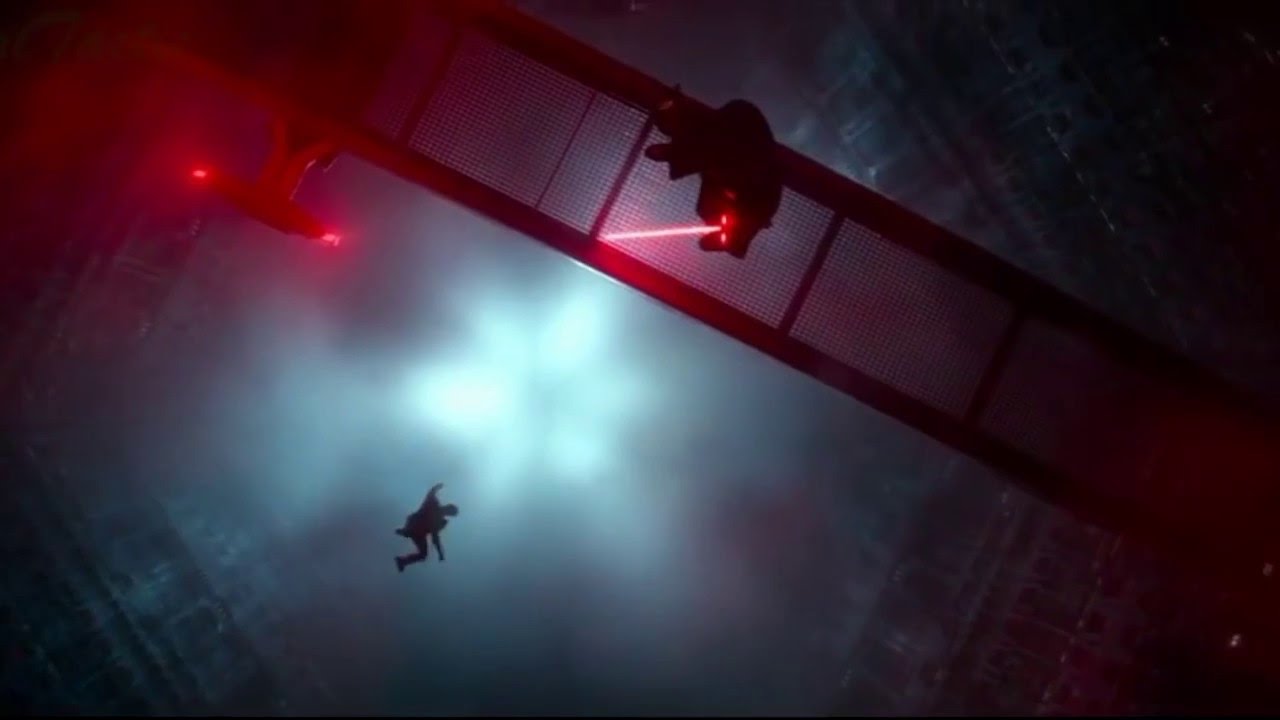
And then… the lightsaber. The click. The gut-wrenching betrayal. It’s a moment that’s designed to shock, to devastate. And it absolutely does. It’s not a quiet fade-out; it's a violent, brutal end. And in a weird way, that’s part of what makes it so interesting. It’s not a gentle retirement for our favorite scoundrel.
Why Does It Work (Sort Of)?
So, why is this cool? Or at least, why is it a memorable and significant moment, even if it hurts? For starters, it's a huge departure from the usual superhero movie tropes. Often, beloved characters get a heroic sacrifice that's almost… expected. They go out in a blaze of glory, saving the day one last time. Han’s death is more personal, more tragic. It’s about family, about regret, about the devastating consequences of choices made long ago.
It also serves a massive narrative purpose. It’s a pivotal moment that defines Kylo Ren’s path. It solidifies his commitment to the dark side and tells the audience, loud and clear, that this new trilogy is going to be different. It’s going to be darker. It's like when your favorite band releases an album that’s a complete shift in sound – it’s jarring, but it also shows they're not afraid to evolve. This was Han's evolution, in a way, though not the one we expected.

Think about it like this: Imagine if Frodo, after all his struggles, just… tripped and fell into Mount Doom. It wouldn’t have the same emotional weight as him consciously choosing to destroy the Ring, right? Han’s death, while brutal, is tied to his relationship with his son. It’s the ultimate, tragic consequence of his own past decisions and the darkness that has consumed his family. It’s a very human, albeit incredibly painful, moment in a sci-fi saga.
And then there's the legacy. Han Solo, even in death, remains a powerful presence. His memory inspires Rey and Finn. His actions, his spirit, continue to fuel the fight against the First Order. He doesn't just vanish; he becomes a symbol. It's like when your favorite legendary musician passes away – their music lives on, their influence is still felt. Han's presence is still very much there, even after he's gone.
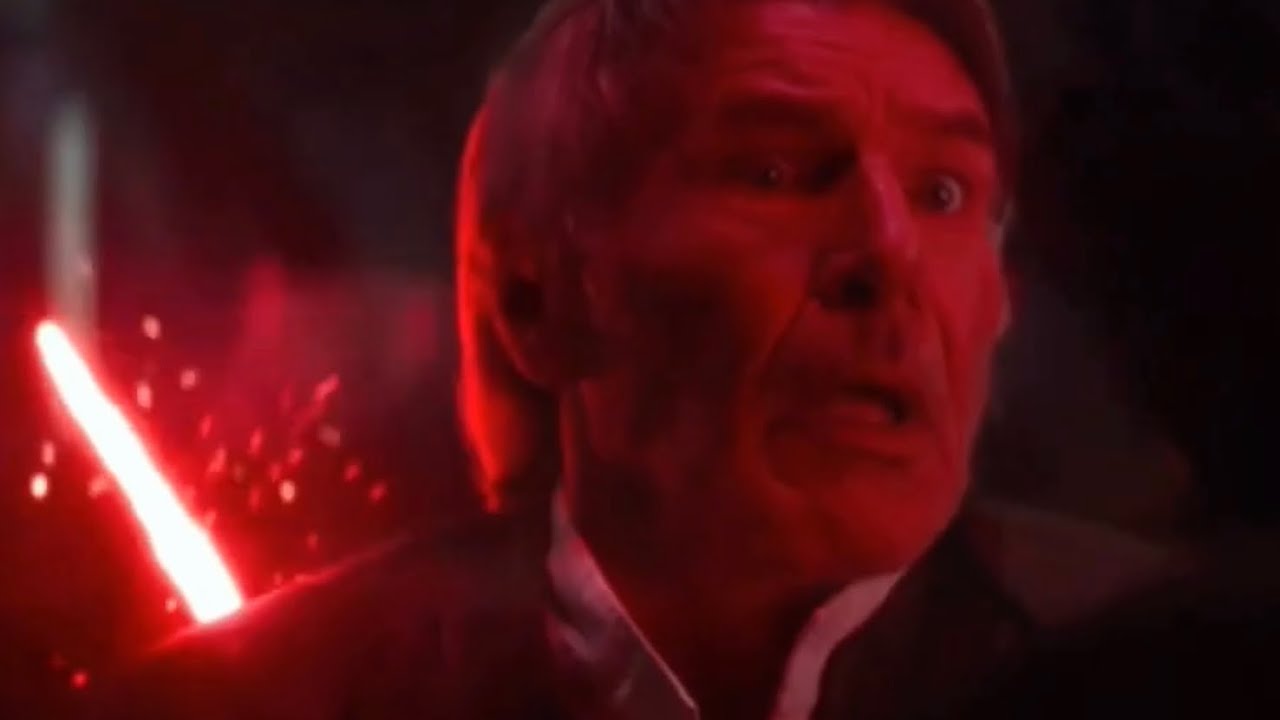
It also raised the stakes for everyone else. If Han Solo can die, then anyone can die. It made the galaxy feel more dangerous, more unpredictable. It wasn't just about saving the day; it was about survival. It’s like realizing that even the seasoned veteran in a war movie might not make it back. It adds a layer of realism to the fantasy, a sense that not everyone gets a happy ending.
And honestly, from a storytelling perspective, it's a bold move. It’s a way of saying, "We're not just going to retread old ground." They could have easily brought Han back for more quips and daring escapes. But they chose a path that was more emotionally charged, more consequential. It was a gamble, and it paid off in terms of creating a truly memorable and emotionally resonant moment, even if it left us all feeling a little bit hollow.
So yeah, Han Solo dying in The Force Awakens. It’s sad, it’s shocking, and it’s definitely a moment that sticks with you. But it’s also a testament to the enduring power of his character, the complexity of the story, and the willingness of the filmmakers to take risks. He might be gone, but the Millennium Falcon’s pilot? He's a legend who will always be part of our galaxy. And that’s pretty cool, in its own, bittersweet way.