
Hardest Drill Bits For Steel
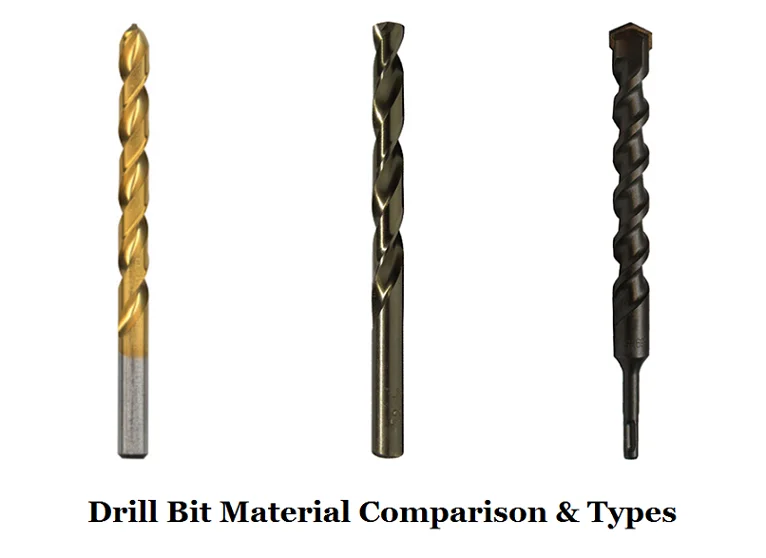
I remember the first time I really battled with steel. It was a few years back, helping a friend build this ridiculously over-engineered BBQ smoker. We were attaching these thick, almost… stubborn steel plates, and I, in my infinite wisdom (read: overconfidence), grabbed the first drill bit I saw. It looked… drill-bit-y. You know, pointy. Shiny.
Five minutes later, I had a smoking drill bit, a hole that looked more like a melted crater, and a profound sense of inadequacy. My friend, bless his patient soul, just sighed and handed me a different bit. A much different bit. That, my friends, was my introduction to the fact that not all drill bits are created equal, especially when you’re facing down Mr. Steel.
So, let’s talk about the unsung heroes of metalworking, the champions of cutting through the tough stuff: the hardest drill bits for steel. Because honestly, wrestling with the wrong tool is like trying to shave with a butter knife – messy, ineffective, and probably a little painful.
Why Steel is Such a Tough Nut to Crack
Before we dive into the gladiators of the drill bit world, let’s appreciate why steel is such a formidable opponent. It’s not just a uniform block of metal. Oh no, steel is an alloy, primarily iron and carbon, but it can have other elements thrown in the mix to give it specific properties. Think of it like a recipe: add a pinch of this, a dash of that, and you get something completely different.
We’ve got mild steel, which is relatively soft and easy to work with. Then there’s stainless steel, which, as the name suggests, is designed to resist corrosion. This often means it’s harder and tougher. And then we venture into the really gnarly territory: tool steels, alloy steels, hardened steels… these are the ones that make drill bits weep.
These steels often have higher carbon content, or they’ve undergone heat treatments to make them incredibly strong and wear-resistant. It’s like they’ve been through a tough bootcamp and come out hardened. Trying to drill into them with a standard HSS (High-Speed Steel) bit is… well, you’re just asking for trouble. You’ll generate immense heat, the bit will dull almost instantly, and you’ll end up with a very unhappy drill and an even unhappier hole.
The Usual Suspects: HSS Bits and Their Limitations
So, what’s the deal with those standard HSS bits? They’re everywhere, right? They’re the workhorses for wood, plastic, and softer metals. High-Speed Steel is a pretty good material, especially when it's alloyed with things like cobalt or molybdenum. It can withstand higher speeds and temperatures than carbon steel bits.
But, and it’s a big ‘but’ (pun intended, sorry!), even the best HSS bits have their limits. When you’re dealing with materials that are specifically designed to resist wear and deformation, HSS can start to look a bit… overwhelmed. It’s like sending a knight in shining armor to fight a dragon – they’re good, but maybe not the best tool for that particular job.
The heat generated when drilling hardened steel is a killer. It softens the cutting edge of the HSS bit, leading to premature wear and, as I discovered, a lot of frustration. You might get a few holes, if you’re lucky, but it's a losing battle.
Enter the Heavyweights: The Toughest Drill Bits
This is where we get serious. When you need to conquer steel that laughs in the face of regular bits, you need something with a bit more… oomph. These are the materials and designs that are built for extreme hardness and wear resistance. Get ready to meet the champions.
1. Cobalt Bits: The Cobalt Crusaders
Cobalt bits are often the first step up from standard HSS. These are HSS bits that have been enhanced by adding cobalt (usually around 5% or 8%). Think of it as giving your HSS hero a super-powered sidekick.
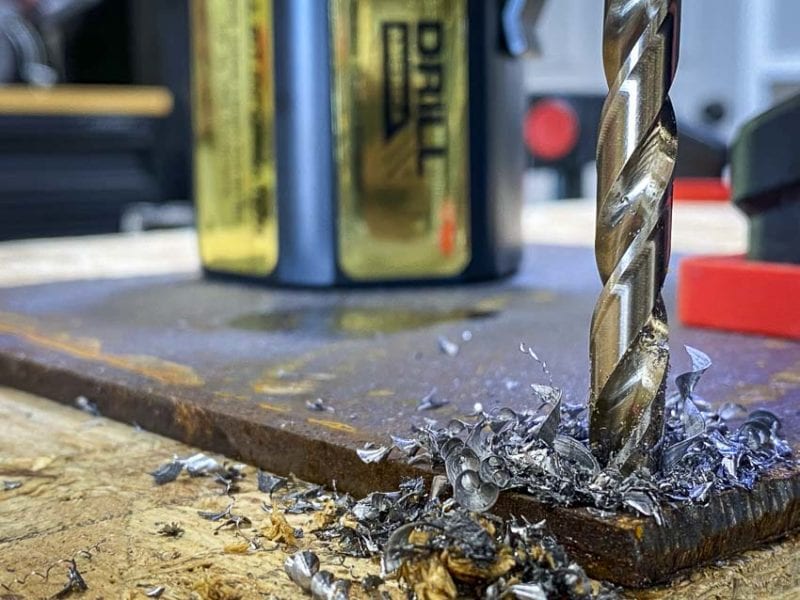
What does cobalt do? It increases the hardness and heat resistance of the steel. This means the bit can maintain its sharp edge at higher temperatures, which is crucial when drilling into tougher materials like stainless steel, titanium, or cast iron. They can also cut faster and last longer than plain HSS bits.
You’ll often see them with a gold or bronze tint, which is a tell-tale sign of the cobalt content. These are a fantastic option for DIYers and professionals who regularly tackle medium-duty steel applications. They’re a good balance of performance and cost.
2. Carbide Bits: The Unstoppable Carbodons
Now we’re talking serious business. Carbide, specifically Tungsten Carbide, is where things get truly hardcore. Tungsten carbide is an extremely hard and dense compound. It’s significantly harder than steel, which is why it’s so effective at cutting through it.
Carbide bits are not usually made entirely of solid carbide. More commonly, they have carbide tips brazed onto a steel body. This gives you the incredible hardness of carbide at the cutting edge, while the steel body provides strength and flexibility. It’s the best of both worlds, really.
Drilling with carbide bits can be a revelation. They cut through hardened steel like a hot knife through butter. They generate less heat than HSS bits because they cut more efficiently. However, they are also more brittle. This means you need to be careful. If you let a carbide bit bind or hit a hard spot unexpectedly, it can chip or break. So, a steady hand and a consistent feed rate are key!
Carbide bits are essential for drilling into very hard steels, tool steels, and in applications where you need to drill many holes without constant bit changes.
3. Solid Carbide Bits: The Pure Powerhouses
For the absolute toughest jobs, you can get solid carbide bits. These are made entirely out of tungsten carbide. No steel body, just pure, unadulterated hardness. These bits are incredibly strong and can achieve very high speeds.
However, they are also the most brittle and the most expensive. They are best suited for CNC machining and high-production environments where precision and extreme hardness are paramount. For the average tinkerer, they might be overkill and a bit too risky due to their fragility. But man, can they cut!

4. Diamond-Coated Bits: The Ultimate Glittering Edge
And then, we have the bling. Diamond-coated drill bits. Yes, you read that right. The hardest naturally occurring substance on Earth is used to coat drill bits. These are typically used for drilling extremely hard materials like ceramics, glass, and very hardened steels.
The diamond grit is electroplated onto the tip of the bit. They don’t cut like a traditional drill bit; they more or less grind their way through the material. This makes them incredibly effective for materials that would destroy any other type of bit.
They are often used in specialized applications and can be quite pricey. You also need to be mindful of the cutting fluid; often water or a specialized lubricant is recommended to keep the bit cool and flush away debris.
What About the Drill Bit's Design? It Matters!
It’s not just about the material. The design of the drill bit plays a huge role in its effectiveness, especially in steel. Think of it like a race car: same engine material, but different aerodynamics and tire compounds will make it perform differently.
Flute Design: Clearing the Path
The flutes are those spiral grooves that run up the body of the drill bit. Their job is to evacuate the metal chips that are created as you drill. In steel, especially hardened steel, these chips can be tough and sticky.
Bits designed for steel often have sharper, more aggressive flute geometries. They might have a deeper helix angle to help clear chips more effectively, preventing them from building up and causing the bit to bind or overheat. Some specialized bits might even have polished flutes for even smoother chip evacuation.
Point Angle: The Spearhead
The angle at the very tip of the drill bit is called the point angle. For general purposes, a 118-degree angle is common. However, for harder metals, a sharper point angle, like 135 degrees, is often preferred.
A sharper point angle penetrates the material more easily and creates less friction. It’s like having a more refined spearhead to pierce the target. This is particularly useful for starting a hole on a smooth or curved surface where a duller bit might wander.

Web Thinning: Reducing the Effort
The ‘web’ of the drill bit is the solid part that connects the cutting edges. As the bit gets longer, this web can get thicker, which increases the resistance to cutting. Web thinning is a manufacturing process where the web is ground down to be thinner towards the tip.
This makes the bit cut more easily, requiring less pressure from the drill. This is a subtle but very important feature for drilling into tough materials. It reduces the strain on both the drill and the bit.
Tips and Tricks for Drilling Hard Steel
So, you’ve got your fancy, super-hard drill bit. Awesome! But that’s only half the battle. Here are some crucial tips to make sure you don't ruin your new bit (or your drill):
Lubrication is Your Best Friend
Seriously, do not skip this step. Cutting fluid, oil, or even a good quality multipurpose lubricant is essential when drilling steel. It does a few things:
- Cools the bit: This is probably the most important. It prevents the bit from overheating and losing its temper (both literally and figuratively).
- Lubricates the cut: It helps the bit glide through the material, reducing friction and making the process smoother.
- Flushes away chips: It helps carry away the metal shavings, preventing them from clogging the flutes.
There are specific cutting fluids for different metals, but for general steel drilling, a good all-purpose cutting oil will do wonders. Don’t be shy with it!
Slow and Steady Wins the Race
This is the tortoise and the hare scenario. When drilling hardened steel, you need to reduce your drill speed significantly compared to what you'd use for wood or soft metals. High speeds generate excessive heat, which is the enemy of your drill bit.
A good rule of thumb is to aim for slower speeds with harder metals. You want to see the bit cutting, not just burning. If you hear a high-pitched squeal or see smoke, you’re going too fast.
Apply Consistent, Firm Pressure
Once you've got your pilot hole started (and yes, for tough steel, a pilot hole is a good idea!), apply steady, firm pressure. Don't force it, but don't be afraid to put a little weight behind it.

Let the bit do the work. If you're using a drill press, this is easier. If you're using a handheld drill, try to keep it as perpendicular as possible to the surface. Avoid wobbly movements.
Clear the Chips Regularly
As mentioned, chips can build up. Every so often, especially when drilling deeper holes, back the drill bit out of the hole a turn or two. This allows the flutes to clear out the accumulated metal shavings and lets the cutting fluid get down into the hole.
This simple step can prevent overheating and binding, saving your bit and your sanity.
A Pilot Hole is Your Friend
For thicker or harder steels, starting with a smaller pilot hole is often a wise decision. It makes it easier for the larger bit to engage the material and guides it accurately. It also reduces the strain on the larger bit.
When in Doubt, Go Cobalt or Carbide
If you’re unsure about the hardness of the steel you’re drilling, it’s usually safer to err on the side of caution. Investing in a good quality cobalt or tungsten carbide bit will save you a lot of time, frustration, and money in the long run compared to destroying multiple cheaper bits.
The Verdict: Choose Wisely, Drill Wisely
Drilling into steel, especially the hardened varieties, is a skill that requires the right tools and the right approach. Those shiny HSS bits are great for many things, but for the tough stuff, you need to step up your game.
Whether you’re a weekend warrior building a custom project or a professional tackling industrial applications, understanding the differences between cobalt, carbide, and diamond-coated bits is key. Don’t let a stubborn piece of steel defeat you. With the right drill bit and a little know-how, you can conquer even the hardest metals.
So next time you're faced with a steel challenge, remember this little guide. Choose your weapon wisely, treat it with respect (and plenty of cutting fluid!), and you’ll be drilling through steel like a pro. Happy drilling!