
High Carbon Steel Knives Vs. Stainless Steel
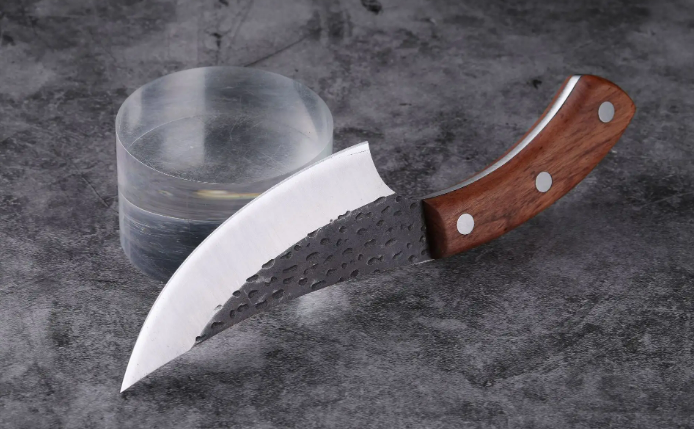
Alright, gather 'round, folks, and let me tell you a tale. A tale of two steels. A saga of sharpness. A… well, you get the picture. We're talking about knives, specifically the culinary crusaders in your kitchen drawers:
Imagine this: you're in the zone. The onions are weeping (metaphorically, of course, unless you're really bad at chopping), the carrots are begging for mercy, and your knife is just… gliding. Like a figure skater on a perfectly smooth ice rink, but instead of sequins, it's got a razor-sharp edge. That, my friends, is the magic of a good high carbon steel knife. These beauties are made of the good stuff, the pure, unadulterated steel with a high concentration of carbon. Think of it as the "gotta-have-it-all" sibling of the steel family. It’s got that oomph.
What does that oomph mean for you? It means wicked sharpness. Seriously, these knives can get so sharp, you could probably use them to shave a fly. Don't try that at home, by the way. But the point is, they hold an edge like a grumpy toddler holds onto a cookie. You can slice, dice, and julienne with such precision, you'll feel like a Michelin-starred chef. Or at least, you'll look like one, which is half the battle, right?
However, every superhero has a kryptonite, and for high carbon steel, it’s rust. Oh, the rust! It’s like a tiny, orange villain trying to ruin your perfectly crafted blade. This means you have to treat your high carbon steel knife like a delicate flower. Rinse it immediately after use, dry it like you’re tending to a newborn baby (with a soft cloth, naturally), and for the love of all that is holy, do not let it soak in the sink. It’s basically asking for a rusty demise. Imagine leaving your prized possession out in the rain – that’s what your high carbon steel knife feels like if you mistreat it.
Now, let's talk about its cooler, more laid-back cousin:

The big advantage of stainless steel? Low maintenance. It’s the "set it and forget it" of the knife world. You want a knife that’s going to be your workhorse, your reliable sidekick, the one you don’t have to baby? Stainless steel is your guy. It’s forgiving, it’s tough, and it’s not going to throw a tantrum if you accidentally leave it damp for a few minutes. It’s the culinary equivalent of a comfortable pair of old jeans – reliable and always there for you.
But here’s the catch, and it’s a big one: stainless steel knives, while less prone to rust, often struggle to hold an edge as well as their high carbon counterparts. They can get sharp, don't get me wrong, but they tend to dull faster. It’s like trying to run a marathon with sneakers that have no grip – you’ll get there, eventually, but it’s going to be a slippery, less-than-ideal journey. You'll find yourself reaching for the honing steel more often than you’d like, doing that frantic, "is it sharp enough yet?" wiggle.
So, why all the fuss? Why would anyone choose the high-maintenance, rust-prone option? Ah, because when a high carbon steel knife is sharp, it's really sharp. We're talking about a level of sharpness that makes cooking a joy. It's the difference between sawing through a tomato and having it surrender with a delicate whisper. It’s the difference between your delicate herbs looking like they’ve been through a paper shredder and looking like they’ve been artfully arranged.
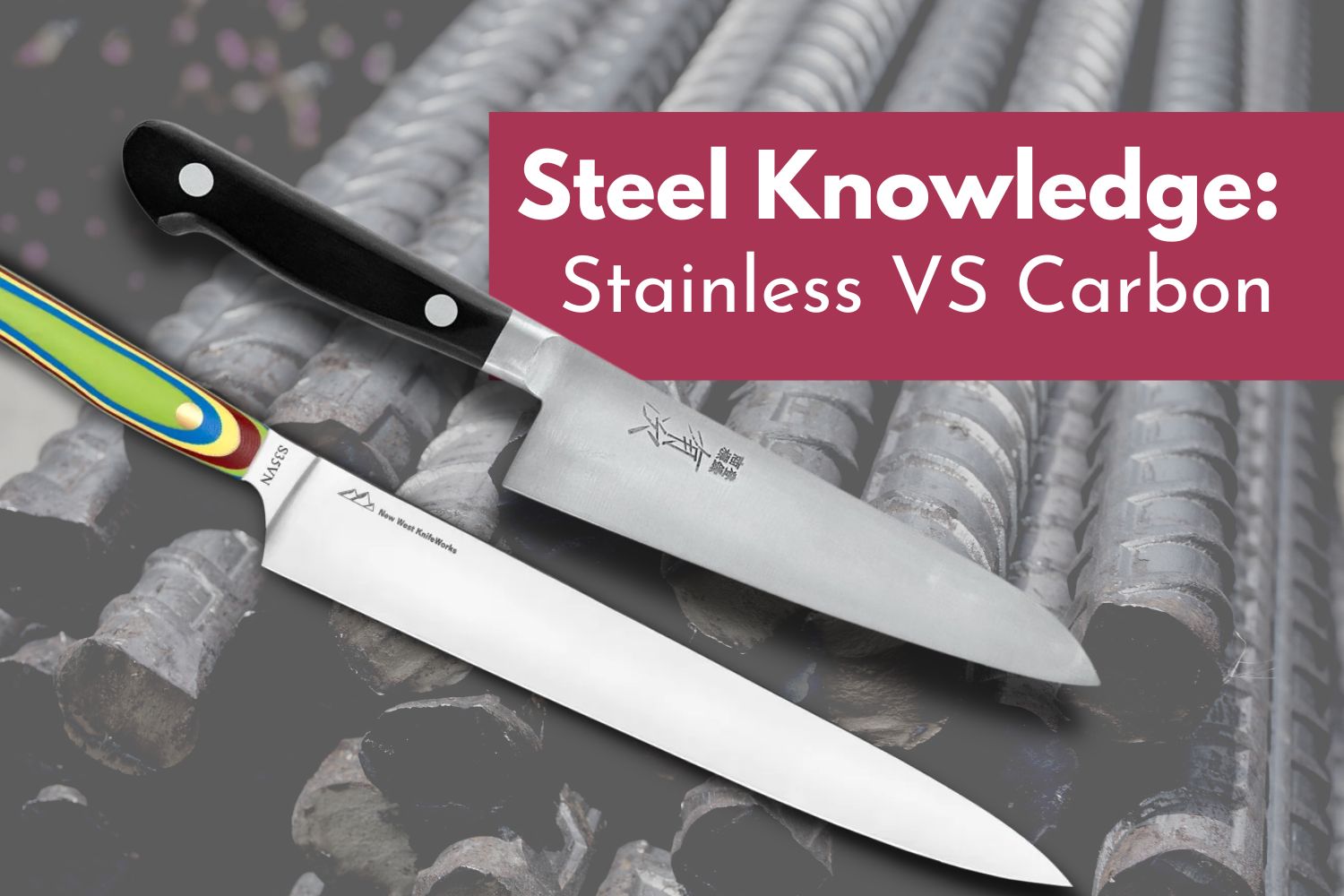
Think of it like this: High carbon steel is like a finely tuned sports car. It requires premium fuel (proper care), regular maintenance, and a skilled driver (you, with your knife skills). But when you treat it right, it performs like a dream, offering an unparalleled experience. Stainless steel is more like a trusty SUV. It's robust, can handle a bit of rough and tumble, and will get you where you need to go without too much fuss. It’s not as flashy, but it’s undeniably dependable.
Here’s a surprising fact for you: most of the knives you see in professional kitchens are high carbon steel. Why? Because those chefs are pros. They know how to care for their tools. They understand that a little extra effort upfront means a whole lot more efficiency and a better cooking experience in the long run. They aren't afraid of a little sharpening and drying; it's part of their ritual. It’s like their morning coffee – non-negotiable.
Another little tidbit: some knives are actually a blend of both! They call these "stainless carbon steel" or "semi-stainless" knives. It's like getting the best of both worlds, a culinary compromise that can offer good sharpness retention while still being reasonably resistant to rust. It's the "let's all just get along" approach to steel.
So, what’s the takeaway from this knife-y saga? It depends on your personality and your kitchen habits. Are you a meticulous organizer who loves to pamper your possessions? Go for the
Ultimately, the best knife for you is the one you'll actually use and enjoy. Whether it’s a gleaming high carbon blade that requires a loving hand or a robust stainless steel workhorse, remember that a sharp knife is a safe knife. And a happy chef is a chef who makes delicious food. So, choose wisely, my friends, and may your chopping be ever effortless and your knives ever glorious!