
High Carbon Steel Vs Low Carbon Steel
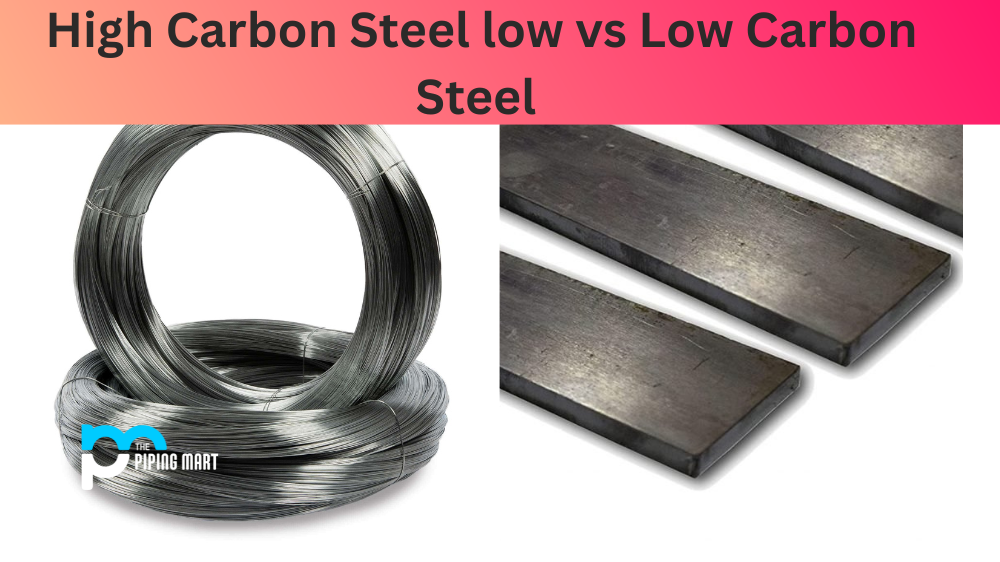
Okay, so you’re chilling, maybe watching some Netflix, and suddenly BAM! You’re wondering about steel. Specifically, the difference between high carbon steel and low carbon steel. Sounds super boring, right? Wrong! This is actually kinda cool. Like, secret agent cool. But with metal.
Think of it this way: steel is basically iron with a little something extra. And that "little something extra" is usually carbon. It’s like adding sprinkles to ice cream. Except, you know, for making stuff. And the amount of sprinkles totally changes the whole vibe.
So, we’ve got our two main players: high carbon steel and low carbon steel. They’re like brothers from another mother. Or maybe just really distant cousins. Whatever, they’re related but different. And knowing the difference? It’s a superpower. Maybe. Definitely a fun conversation starter at parties.
Let’s start with the underdog, the chill one. Low carbon steel. This stuff is everywhere. It’s like the friendly neighborhood utility player of the metal world. You know that metal that’s kinda… bendy? Not super tough, but just… there? That’s probably low carbon steel.
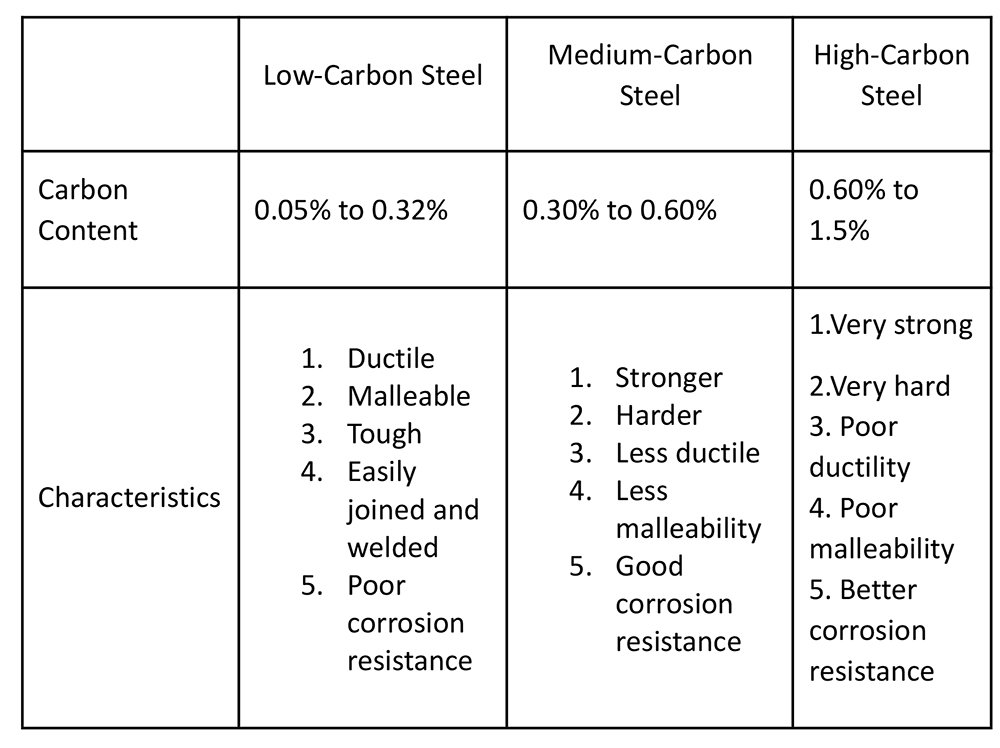
It's got less than 0.30% carbon. Think of it as having just a sprinkle of carbon. Not a whole handful. This makes it really malleable and ductile. What do those fancy words mean? Basically, it’s easy to bend, shape, and weld. You can pretty much do whatever you want with it, and it won’t throw a fit.
Ever seen a car? Yep. Lots of low carbon steel in there. Those big, structural bits? That’s our guy. It’s also in pipes, wires, and even some kitchen utensils. Basically, anything that needs to be formed easily and doesn't need to be superhero-tough. It’s the workhorse. The reliable friend. The one who always picks up your calls.
And the best part? It’s usually cheaper! Who doesn’t love a good bargain? So, if you need to build something big and don’t need it to stop a bullet, low carbon steel is your jam.
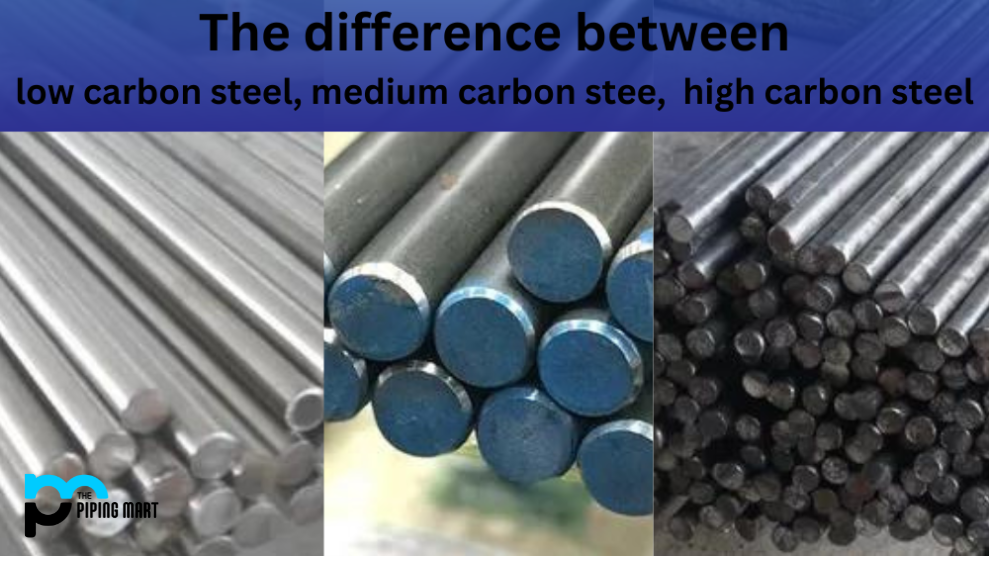
Now, let’s amp things up. Enter high carbon steel. This is the spicy one. The one with the attitude. It’s got more carbon. We’re talking 0.30% all the way up to like, 1.5% or even higher. That’s a lot of sprinkles. Like, you’re gonna taste the carbon.
What does all that extra carbon do? It makes the steel way harder and stronger. It’s like giving it a super-suit. This stuff is built for action. Think tools. Think blades. Think things that need to be sharp and tough.
Your trusty chef’s knife? Probably high carbon steel. That axe your lumberjack uncle uses? High carbon steel. Even those tiny little springs in your pen? You guessed it! High carbon steel.
It’s also way more wear-resistant. This means it can handle a lot of rubbing and scraping without getting all messed up. It’s the marathon runner of the steel world. It just keeps going.

But here’s the catch. All that toughness comes with a bit of a price. High carbon steel is harder to work with. It’s not as bendy. It can be a pain to weld. And it’s definitely more expensive. You’re paying for that extra grit, that extra power.
Think about it like a really strict teacher versus a super laid-back substitute. Low carbon steel is the chill sub. High carbon steel is the teacher who makes you do extra homework. You get more out of it, but it’s definitely more demanding.
And here’s a quirky fact for ya: when you heat treat high carbon steel, you can make it even tougher. It’s like giving it a secret training montage. This is where things get really interesting for tool makers. They can make a blade that’s incredibly sharp and can hold that sharpness for ages.
So, why is this fun to talk about? Because it’s all about compromise. Everything in life is a compromise, and steel is no different! You want flexibility? Go low carbon. You want to cut through stuff like butter? Go high carbon.
Imagine you’re a superhero. Low carbon steel is your civilian disguise. Practical, everyday, gets the job done. High carbon steel? That’s your super-suit, your laser eyes, your ability to fly. It’s for when you need to be extraordinary.
Another funny detail: sometimes, people talk about “medium carbon steel” too. It’s like the middle child. Got a bit of both. Not as bendy as low, not as tough as high. Useful for gears and things like that. It’s the peacemaker. The diplomat of the steel family.
The really cool thing is how these simple differences in carbon content lead to such wildly different applications. It’s like how adding a tiny bit of spice can change a dish from bland to amazing. Carbon is the spice of steel!
And it’s not just about strength. The corrosion resistance can also be a factor. While neither is naturally rust-proof (that’s a whole other topic involving stainless steel, another cousin!), high carbon steel can sometimes be more prone to rust if not protected. It’s like the temperamental artist who needs a little extra care.
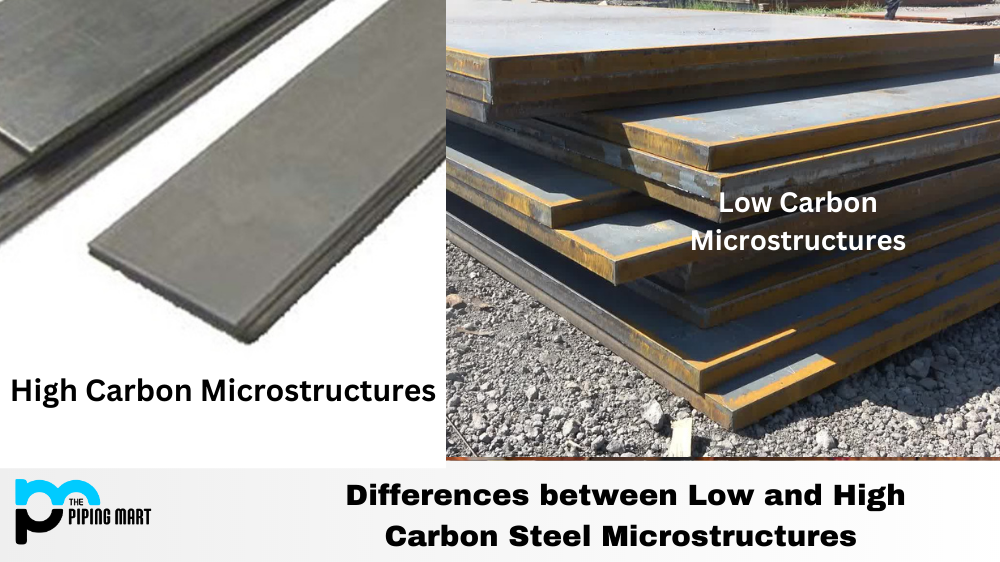
Think about your old, trusty hammer. It’s probably high carbon steel. It’s taken a beating, it’s still going strong. Or that super cheap set of pliers you got from the dollar store? Probably low carbon steel. They bend after the second use, but hey, they were cheap!
So, the next time you pick up a tool, or admire the chassis of a car, or even just use a pair of scissors, take a moment. Think about the carbon. Think about the incredible science and engineering that goes into making these everyday objects.
It's a subtle difference, but it makes all the difference. And honestly, isn't that just fascinating? It’s the little things, right? The tiny details that shape our world. Steel is just one of those things. A simple element, a little bit of carbon, and suddenly you have a material that builds everything from bridges to battle swords.
So there you have it. High carbon vs. low carbon steel. Not so boring now, huh? Go forth and impress your friends with your newfound metal knowledge. You’re basically a steel whisperer now. And that, my friend, is pretty cool.