
History Of The Macy's Thanksgiving Day Parade

Ah, the Macy's Thanksgiving Day Parade. Just the mention of it probably conjures up images of gigantic cartoon characters floating through the sky, marching bands belting out holiday tunes, and maybe even a hint of lukewarm hot chocolate on a chilly November morning. It's practically a national holiday within a holiday, right? Like that extra slice of pie you know you shouldn't have, but totally will anyway. It's woven into the fabric of Thanksgiving for so many of us, a warm, fuzzy blanket of tradition that kicks off the most wonderful time of the year.
But have you ever stopped to think, "Where did this whole giant inflatable circus come from?" It wasn't always a guarantee of seeing Snoopy do his happy dance a hundred feet above your head. Nope. Like most things we hold dear, it had humble, albeit slightly less glittery, beginnings. Think of it as the parade equivalent of finding an old, slightly faded photograph of your parents looking ridiculously young and awkward – it’s charming, and it reminds you of how far things have come.
Let's rewind the clock a bit. We're talking the Roaring Twenties. Flappers were doing the Charleston, jazz was king, and the world was just starting to get a little bit fancy. Macy's, that iconic New York City department store, was already a big deal. They were known for their lavish window displays and, frankly, their serious retail chops. They were basically the OG influencers of the shopping world. And, like any self-respecting retail giant, they wanted to wow their customers. Especially around the holidays.
So, in 1924, a bunch of their ambitious employees, mostly immigrants who had come to America seeking a better life and a good bargain on a new hat, decided to do something big. They wanted to celebrate Thanksgiving with a bang, and what's bigger than a parade? They called it the "Macy's Thanksgiving Day Parade," and it was initially conceived as a way to draw shoppers into the store. Think of it as an early Black Friday, but with more trombones and fewer people wrestling over the last discounted TV. Smart, right? They were thinking, "Hey, let's make Thanksgiving a reason to come see us!"
The first parade wasn't quite the spectacle we know today. Forget the soaring helium giants for a moment. We're talking more along the lines of actual live animals from the Central Park Zoo. Yes, you read that right. Lions, tigers, bears (oh my!), camels, and even an elephant or two were parading down the streets of New York. Imagine trying to herd an elephant through Herald Square on a busy Thursday morning. It’s the kind of story your grandpa might tell, shaking his head and chuckling, "Back in my day, we had real animals!"
And instead of those enormous, meticulously crafted balloons, the parade featured floats designed by Macy's employees themselves. We're talking homemade charm, people. Think of it as your aunt Mildred’s elaborate Thanksgiving centerpiece – a labor of love, maybe a little wobbly, but packed with heart. These early floats were often themed around popular fairytales and celebrated the spirit of giving and togetherness. It was a community effort, a real "all hands on deck" kind of vibe, and you can almost feel the collective excitement of those early participants.
One of the absolute highlights of those early parades was the introduction of Santa Claus at the very end. This was a huge deal. It was like the grand finale, the cherry on top of the Thanksgiving sundae, signaling that the Christmas season had officially begun. Kids would flock to see him, their eyes wide with wonder, and parents would probably be trying to subtly nudge them towards the toy department. It was a masterful stroke of marketing, but also, let’s be honest, a pretty magical moment for any child.
The parade was an instant hit. People loved it. It was a joyous, festive occasion that brought communities together. It was a break from the everyday, a splash of color and music and pure, unadulterated fun. It was the kind of event that made you forget your worries, pull your scarf a little tighter, and just soak in the atmosphere. It was like that perfect cup of hot cider – warming you from the inside out.
Then came the balloons. Oh, the balloons! The iconic Macy's parade balloons we know and love didn't make their grand entrance until 1927. And even then, they weren't quite the inflatable titans of today. They were more like giant, animal-shaped kites that were tethered and guided. But the idea was there. These were big, bold, and undeniably eye-catching. The first of these were a giant Dachshund, a polar bear, and a rooster.
The parade organizers, always looking for ways to up the ante, decided to get a little creative with the balloons. In a stroke of what can only be described as genius (or maybe a mild case of Thanksgiving-induced insanity), they decided to release these giant balloons into the sky at the end of the parade, with tags attached offering prizes for whoever found them. Imagine the chaos! It was like a treasure hunt for adults and a baffling, awe-inspiring sight for the kids. "Look, Mommy, a giant balloon is flying away! Can we catch it?" Probably not, sweetie, but it's still pretty cool, right?
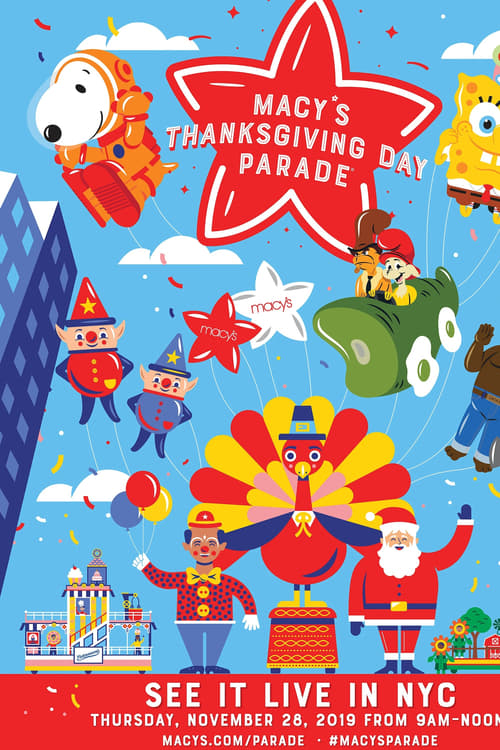
The balloons quickly became the star of the show. They were a visual feast, a parade of fantastical creatures that captured the imagination. Over the years, they evolved from simple animal shapes to beloved cartoon characters. Popeye was one of the first licensed characters to get the balloon treatment, and soon after came Mickey Mouse, Bugs Bunny, and countless others. It was like the entire cast of your childhood Saturday morning cartoons decided to take a field trip to New York City.
The transition to helium-filled behemoths was a game-changer. These weren't just big; they were colossal. They required armies of handlers to control, creating a whole new level of spectacle. You'd see these massive characters bobbing and weaving, their smiling faces looking down on the crowds like benevolent giants. It was a feat of engineering and a testament to the power of imagination. It was like watching your favorite stuffed animals come to life and decide to take a stroll.
The parade wasn't without its hiccups, of course. Life rarely is, is it? During World War II, the helium shortage meant that the balloons were deflated and their rubber was donated to the war effort. That's right, those beloved giants were repurposed for tanks and tires. Talk about a patriotic sacrifice! The parade continued with floats and marching bands, but the sky was notably emptier. It was a somber reminder of the times, but the spirit of Thanksgiving persevered.
And then there were the occasional "oops" moments. Like the time when a rogue gust of wind sent a giant Kermit the Frog balloon careening into a lamppost. Or the time when a strong breeze decided to give a Garfield balloon a rather aggressive makeover, ripping its face. These moments, while perhaps a little alarming for the people on the ground, became part of the parade's lore. They were like the little dents and scratches on your trusty old car – they add character and a good story to tell.
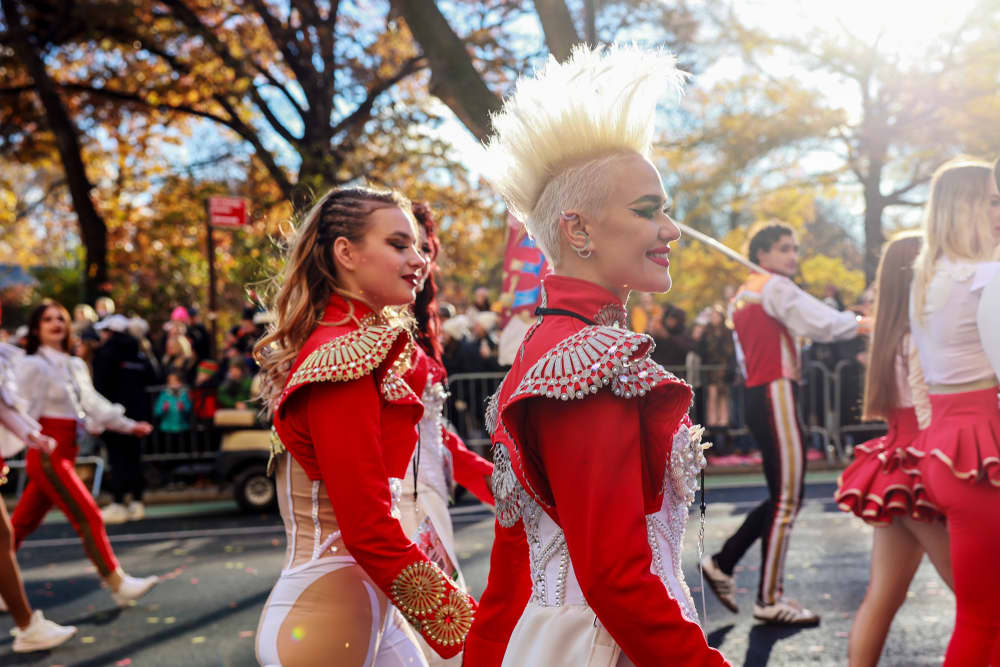
The parade continued to grow, becoming an institution. It wasn't just a New York City event anymore; it was a national event, broadcast on television and watched by millions. It became the official curtain-raiser for the holiday season, a signal that it was time to break out the decorations, start thinking about gift lists, and maybe, just maybe, start baking those gingerbread cookies that will inevitably end up looking more like abstract art than festive treats.

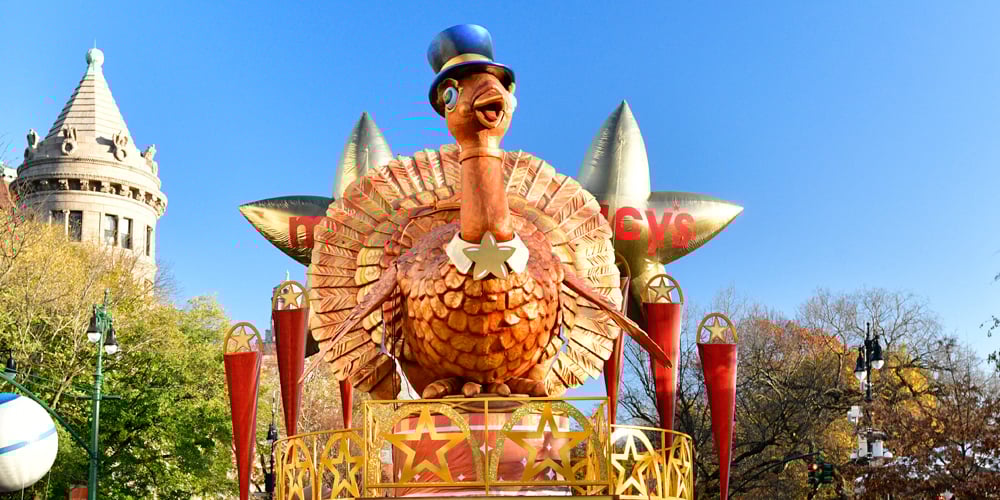
Over the decades, the parade has seen countless iconic moments. From the first appearance of a Thanksgiving turkey balloon (because, of course!) to the unforgettable performances by musical artists, it's a constant evolution. Each year brings new floats, new balloons, and new memories for families to cherish. It’s like that favorite holiday sweater you’ve had for years – it might have a tiny snag here or there, but you wouldn't trade it for anything.
The Macy's Thanksgiving Day Parade is more than just a parade; it's a symbol. It's a symbol of community, of shared tradition, and of the enduring spirit of the holiday season. It’s that feeling you get when you’re surrounded by loved ones, the smell of turkey in the air, and the distant sound of a marching band. It’s the moment you realize that, despite all the craziness of the year, there’s still so much to be thankful for.
So, the next time you find yourself glued to the television, or braving the crowds in New York City, marveling at those giant inflatable characters, remember their humble beginnings. Remember the live animals, the homemade floats, and the sheer ambition that sparked this annual spectacle. It’s a reminder that even the grandest traditions often start with a simple idea and a whole lot of heart. And that, my friends, is something truly worth being thankful for.