
How Did The Subcontinent Affect Civilization In Ancient India

Hey there, wanderlusters and history buffs! Ever find yourself scrolling through Insta, dreaming of ancient temples and vibrant cultures? Well, get ready to take a little virtual trip with me, because today we're diving headfirst into the mind-blowing ways the Indian subcontinent shaped some of the earliest and most influential civilizations. Forget dry textbooks; we're talking about a story as epic and colorful as a Bollywood dance number, all thanks to this incredible landmass.
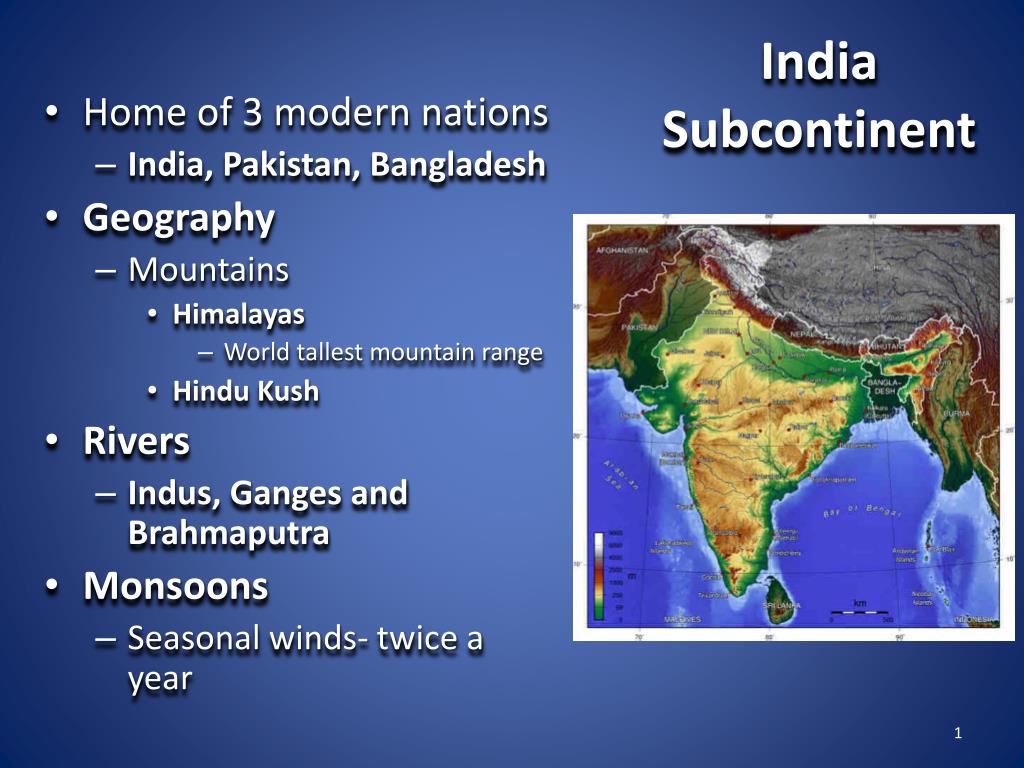
Think of the Indian subcontinent not just as a place, but as a gigantic stage for human ingenuity and spiritual awakening. Its sheer size and diverse geography – from the soaring Himalayas to the fertile river valleys and the sun-drenched coasts – created a fertile ground, literally and figuratively, for life to flourish and ideas to blossom. It’s like Mother Nature herself designed the perfect incubator for civilization!
The Mighty Rivers: Lifeblood of the Land
Let's start with the absolute game-changers: the rivers. You can't talk about ancient India without mentioning the Indus and the Ganges. These weren't just waterways; they were the lifeblood, the highways, and the sacred arteries of the earliest civilizations.
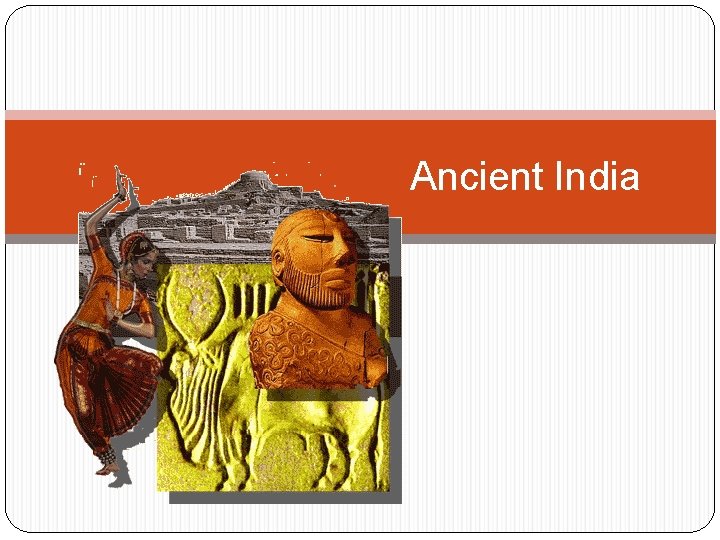
The Indus River Valley Civilization (think around 2600-1900 BCE) was one of the world's earliest urban cultures. Cities like Mohenjo-Daro and Harappa were astonishingly advanced. Imagine sophisticated city planning, complete with grid-like streets, elaborate drainage systems, and even indoor plumbing! Seriously, they were way ahead of their time. These cities were powered by the fertile plains watered by the Indus and its tributaries.
Fun Fact: Archeologists have found evidence of standardized weights and measures in these Indus cities. That means trade was organized and efficient, a testament to their advanced society!
Then there's the Ganges River. As civilizations shifted east, the Ganges basin became the heartland of many powerful kingdoms and empires, including the Maurya and Gupta empires. This region was incredibly fertile, allowing for large-scale agriculture, which in turn supported massive populations and the growth of complex societies. The Ganges wasn't just about food; it was also deeply spiritual, considered a sacred river by many.
Practical Tip: Appreciating Waterways
Next time you’re near a river, take a moment to appreciate its power. Think about how it shapes the landscape and supports life. It’s a humble reminder of how vital water has always been to human settlements.
The Himalayas: A Natural Fortress and Spiritual Beacon
Now, let's talk about the big guys: the Himalayas. These majestic mountains acted as a gigantic natural barrier, protecting the subcontinent from easy invasions from the north. This relative security allowed early Indian civilizations to develop unique cultural and political systems without constant external disruption. It gave them space to breathe, to innovate, and to evolve.
But the Himalayas were more than just a shield. They were also a place of profound spiritual significance. Many of the earliest yogis and ascetics sought solitude and enlightenment in their serene, awe-inspiring landscapes. This connection to the mountains deeply influenced the development of Hinduism, Buddhism, and Jainism, embedding a sense of reverence for nature and the pursuit of inner peace.
Cultural Reference: Think of the stories of Shiva meditating in the Himalayas, or Buddha achieving enlightenment under the Bodhi tree. These narratives are deeply intertwined with the geography of the subcontinent.
Fun Little Fact: Himalayan Wisdom
The word "Himalaya" itself comes from Sanskrit and means "abode of snow." Pretty fitting, right? It’s a constant reminder of the raw power and beauty of nature.
The Monsoons: A Double-Edged Sword of Plenty
Ah, the monsoons! For anyone living in or familiar with the subcontinent, the arrival of the monsoon rains is a major event. These seasonal winds, bringing life-giving rain, have been crucial for agriculture for millennia. The predictable (mostly!) arrival of the monsoons allowed farmers to plan their crops, leading to surplus food production and the sustenance of growing populations.

Imagine the relief and joy as the first dark clouds gather, promising an end to the dry heat and the renewal of the land. It’s a cycle of life, death, and rebirth played out on a grand scale, deeply ingrained in the cultural psyche. Festivals and rituals often revolve around welcoming and celebrating the monsoons.
However, it wasn’t always sunshine and rainbows. Monsoons could also bring devastating floods and droughts, testing the resilience of these ancient communities. The ability to adapt to these extreme weather patterns fostered a sense of collective effort and ingenuity.
Practical Tip: Embracing Cycles
Life, like the monsoons, has its cycles. Sometimes things are abundant, and sometimes they are scarce. Learning to adapt and find resilience in the face of change is a valuable lesson we can all learn from ancient civilizations.
The Deccan Plateau and Southern Coasts: Trade and Cultural Exchange
While the north often grabs the spotlight, the southern parts of the subcontinent, including the vast Deccan Plateau and the long coastlines, played a crucial role in ancient Indian civilization. The plateau’s iron ore deposits fueled advancements in tools and weaponry, giving southern kingdoms an edge.
The extensive coastlines, particularly in the south, made India a major player in maritime trade. From as early as the Roman era, Indian spices, textiles, and precious stones were highly sought after. These trade routes weren't just about economics; they were conduits for the exchange of ideas, technologies, and cultural influences. Think of Buddhism and Hinduism spreading to Southeast Asia and beyond, carried by merchants and monks sailing across the seas.

Cultural Reference: The Chola dynasty, based in the south, was a maritime power that established vast trade networks, reaching as far as the Middle East and Southeast Asia. Their impressive temples are a testament to their wealth and influence.
Fun Little Fact: Spice Up Your Life!
India's love affair with spices isn't new. Spices like black pepper were so valuable that they were often used as currency in ancient times. Imagine paying for your groceries with peppercorns!
The Great Epics and Philosophical Traditions: Shaping Thought
The unique geographical features of the subcontinent also fostered a rich tradition of philosophical and spiritual thought. The vastness of the land, the power of the elements, and the diversity of life likely inspired deep contemplation about existence, purpose, and the divine.
The development of major religions like Hinduism, Buddhism, and Jainism, each with its own profound philosophies and ethical frameworks, is inextricably linked to the Indian soil. These traditions didn't just stay within India; they spread outwards, influencing cultures across Asia and beyond. The Upanishads, the Bhagavad Gita, the teachings of Buddha – these are not just texts; they are the distillation of centuries of thought, born from this unique land.
The grand epics like the Ramayana and the Mahabharata, with their intricate narratives and moral complexities, are more than just stories; they are cultural touchstones that have shaped values and understandings of dharma (duty) and karma (action and consequence) for generations. These stories often draw on the geography and natural wonders of the subcontinent.
Practical Tip: Seek Your Own Wisdom
Just like ancient thinkers found inspiration in their surroundings, we can find wisdom in our own experiences and environments. Take time for reflection, read different perspectives, and cultivate your own understanding of the world.
Conclusion: A Legacy That Continues to Inspire
So, as you can see, the Indian subcontinent wasn't just a passive backdrop for civilization; it was an active participant in its creation and evolution. The rivers, mountains, monsoons, and coastlines didn't just provide resources; they shaped the very way people thought, lived, and interacted with the world.
The ingenuity of the Indus Valley people, the spiritual depth fostered by the Himalayas, the resilience learned from the monsoons, and the outward-looking dynamism of the southern coasts all contributed to a legacy that continues to resonate today. From advanced urban planning to profound philosophical insights, the subcontinent gave the world a treasure trove of advancements that still impact us.
It’s a humbling thought, isn’t it? That the land itself could inspire such incredible human achievement. It reminds us that we are all interconnected with our environment, and that sometimes, the most profound lessons come from simply observing and living in harmony with the world around us.
Next time you enjoy a flavorful meal, listen to a moving piece of music, or contemplate a philosophical idea, take a moment to remember the incredible journey of civilization that began, and continues to thrive, on this magnificent subcontinent. It’s a story that’s far from over, and one that’s always worth exploring.