
How Do I Clean Rust Off Of Stainless Steel
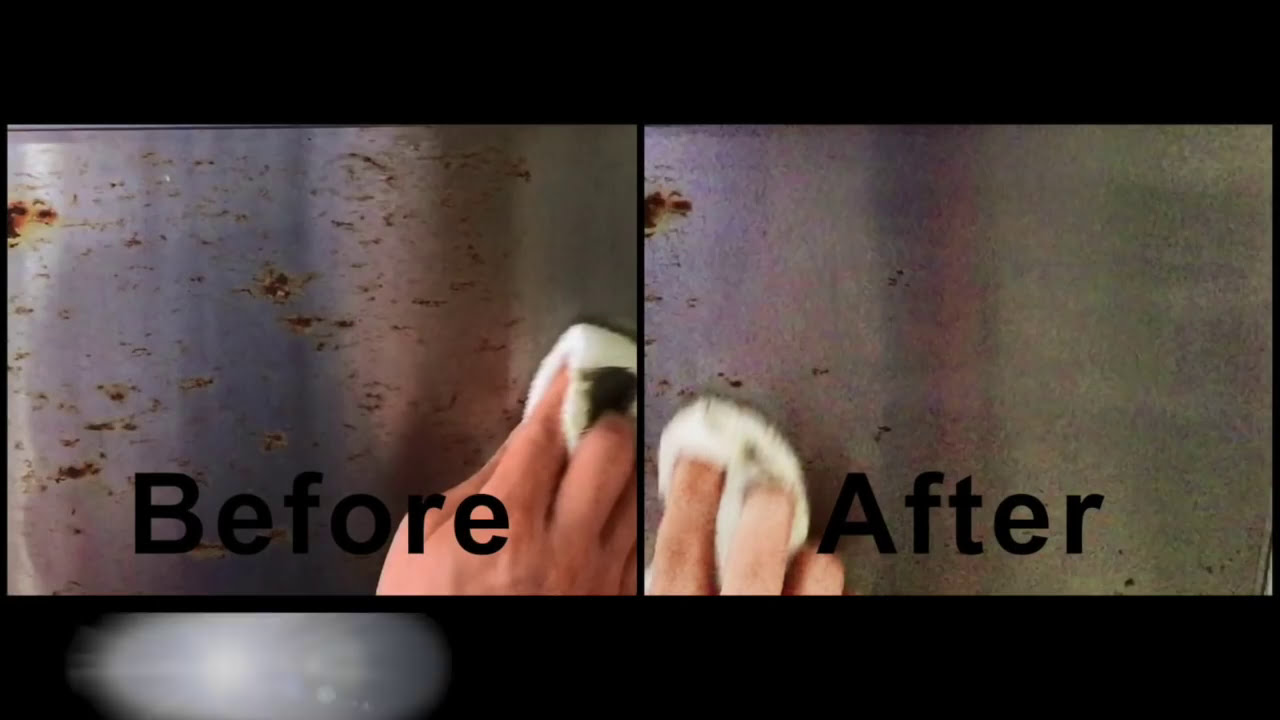
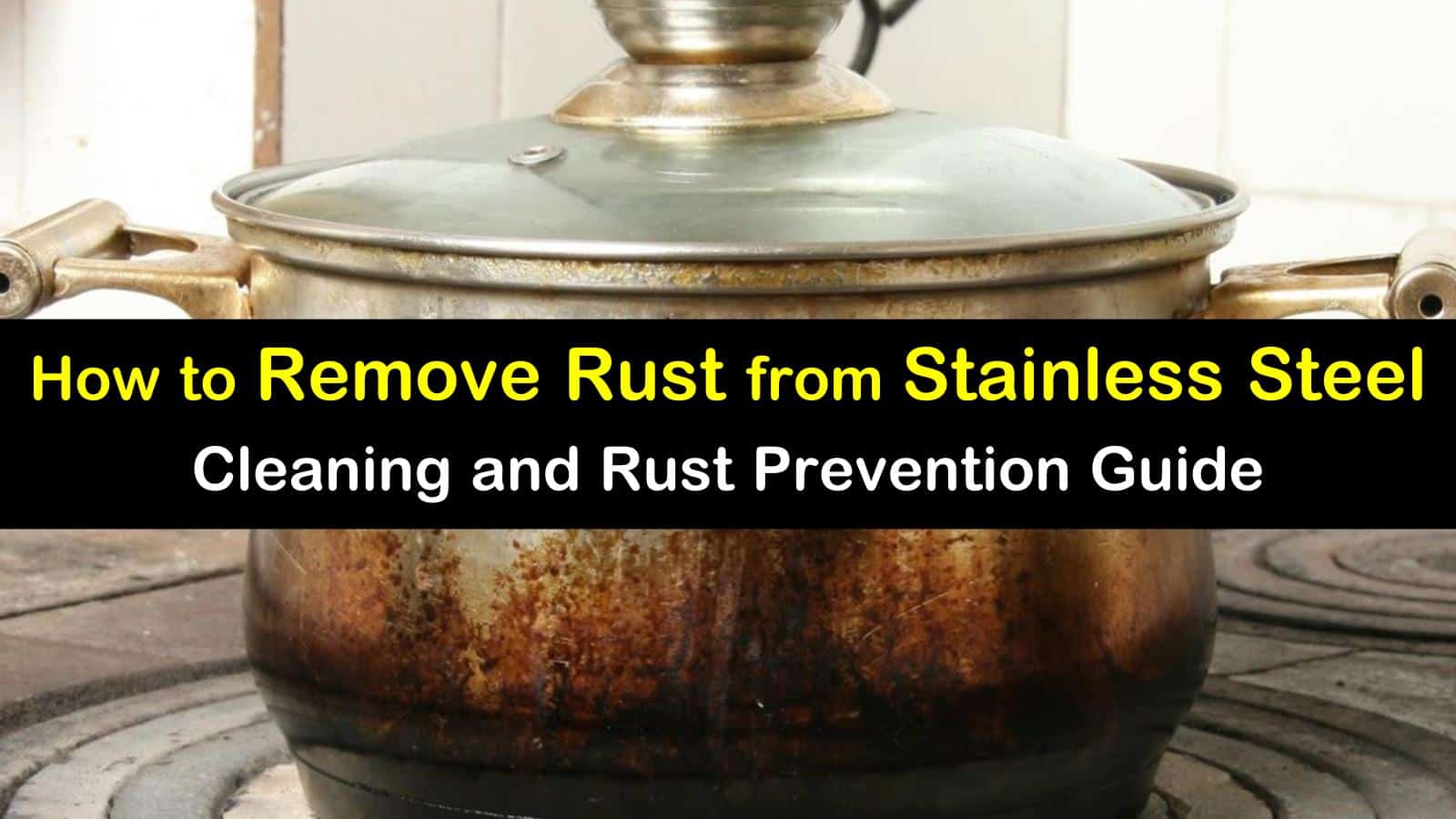
Okay, so you've got that shiny stainless steel appliance, right? The one that looks all sleek and modern. And then BAM! You spot it. A little orange-brown blemish. Rust. On stainless steel. Blasphemy!
It's like finding a sock gnome living in your perfect linen closet. Totally unexpected. And honestly? A little bit hilarious. Who knew stainless steel, the superhero of kitchen surfaces, could get rusty? It’s a secret plot twist we never saw coming.
But don't panic! This isn't the end of your stainless steel love affair. Think of rust on stainless steel as a tiny, annoying visitor. And like any good host, we're going to politely, yet firmly, show it the door.
First off, why does this happen? Isn't stainless steel... well, stainless? Mostly, yes. It’s got chromium in it. This stuff forms a protective layer, like a tiny, invisible superhero cape. But sometimes, things can scratch or damage that cape. Tiny bits of iron from other things can land on the surface and then rust. It's like a microscopic case of mistaken identity.
Think of it as your stainless steel getting a little confused. Maybe it borrowed a sweater from a regular steel friend, and the sweater left its mark. Happens to the best of us, right? Or maybe a stray bit of steel wool decided to take a nap on your sink. Naughty steel wool!
So, what’s the game plan? We’ve got some tricks up our sleeve. And don't worry, these are mostly stuff you probably already have in your kitchen. We're not talking about calling in the national guard for a tiny orange spot.
The Gentle Approach: For the Mildly Annoyed
If your rust situation is more of a teeny-tiny blush than a full-on rusty tantrum, we can start with the softies. Think of these as the friendly neighborhood helpers.

Baking soda paste is your first best friend. Mix some baking soda with a little bit of water. You want a paste, not a soup. Slap that onto the rusty spot. Let it sit for a bit. Like, give it a five-minute coffee break. Then, gently scrub it away with a soft cloth or a non-abrasive sponge.
Why baking soda? It's a mild abrasive. It’s also a bit alkaline, which can help lift some of that rust. It’s like a tiny, natural scrub brush that won't scratch your precious steel. It’s the unsung hero of your pantry, really. Who knew that stuff that makes cakes fluffy could also fight rust?
Another option? Vinegar. Yes, that stuff you put on salads. Just a little bit of white vinegar. You can dab some onto a cloth and rub the rusty area. Or, for a stubborn spot, you can even make a paste with vinegar and baking soda. Just be warned, it might get a little bubbly. It’s science happening right before your eyes! It’s like a mini erupting volcano, but way less messy.
Let it sit for a few minutes, then wipe it away. Again, gentle scrubbing is key. We're not trying to re-enact a wrestling match with your sink.
And if you have lemon juice? That’s a contender too! Similar to vinegar, the acidity can help break down rust. Squeeze some lemon juice onto the spot, let it sit, and then gently wipe and rinse.
You might be thinking, "Lemon juice? On my expensive appliance?" Yes! It's like a spa treatment for your stainless steel. A refreshing, citrusy detox.
When Rust Gets a Little More Serious: The Heavy Hitters
Okay, so the friendly approach didn't quite do the trick. You've got a bit of a more determined rust patch. Don't fret! We’ve got backup. These are the slightly more serious, but still totally doable, methods.
Enter Bar Keepers Friend. This stuff is the legend. It’s practically made for this. You can get it in powder or liquid form. Just follow the instructions on the can, but generally, you'll make a paste, apply it to the rust, let it sit for a minute or two, and then gently scrub.
Bar Keepers Friend contains oxalic acid. Don't let the fancy name scare you. It's really good at tackling rust and tarnish. It's like having a tiny, super-powered cleaner in a can. Just make sure you use a soft cloth or a non-abrasive sponge. Seriously, this is the golden rule.
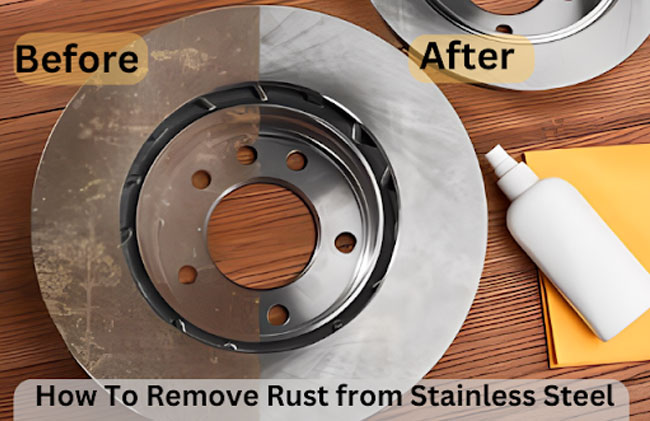
Another option, if you’re feeling brave, is a little bit of WD-40. Yes, that stuff for squeaky hinges. Spray a little onto a cloth (not directly on the stainless steel, unless you want a greasy mess!), and then gently rub the rust away. Wipe it down thoroughly afterward to remove any residue.
It sounds weird, but WD-40 is a lubricant and can help lift the rust particles. It's like tricking the rust into leaving. "Oh, you think you're sticking around? Think again, buddy!"
Important Reminders for a Happy Stainless Steel Life
No matter which method you choose, there are a few things you must remember. These are the commandments of stainless steel cleaning:
Always scrub in the direction of the grain. Look closely at your stainless steel. You'll see faint lines. Scrubbing against the grain is a big no-no. It can cause scratches, and nobody wants a scratched appliance. It’s like trying to pet a cat against its fur. Awkward and you'll get scratched.

Never use steel wool or abrasive scrubbers. We mentioned this before, but it's worth repeating. Steel wool is the arch-nemesis of stainless steel. It leaves behind tiny particles of iron that will then rust. It’s like bringing the enemy into your own house. Don't do it!
Rinse and dry thoroughly. After you've banished the rust, give the area a good rinse with plain water. Then, and this is super important, dry it completely with a clean, soft cloth. Leaving water sitting around is an invitation for more rust. It's like leaving out a welcome mat for your least favorite relatives.
Test in an inconspicuous area first. If you're using a new cleaner, especially a stronger one, it's always a good idea to test it on a small, hidden spot. Just to make sure it doesn't do anything weird. Better safe than sorry!
So there you have it! Cleaning rust off stainless steel isn't some mysterious ancient ritual. It's just a little bit of elbow grease and the right tools. It's a fun little challenge, a chance to be a kitchen detective and solve the case of the vanishing rust.
And hey, next time you see a tiny rust spot, you won't freak out. You'll just chuckle, grab your baking soda, and say, "Not today, rust. Not today!" You're practically a stainless steel whisperer now. How cool is that?