
How Do Metal Detectors Work In Food Industry

Ever bite into a perfectly crispy chip, only to discover something... not so chip-like? Yeah, that’s a nightmare scenario. Thankfully, in the magical world of food production, there are tiny, unsung heroes working behind the scenes. I’m talking about metal detectors. Now, I know what you’re thinking: “Metal detectors? Like at the airport?” Pretty much! But instead of looking for your spare change, these clever contraptions are on the hunt for rogue bits of metal that have no business being in your delicious snacks.
Imagine a giant, high-tech sieve. That’s kind of what happens. As your food – let’s say, a big vat of yummy chocolate sauce, or a conveyor belt full of perfectly baked cookies – zooms through the production line, it passes through a special tunnel. This tunnel is like a secret passageway, and inside, it’s buzzing with invisible waves. These aren't your average radio waves; they're electromagnetic waves. Think of them like little metal-seeking sonar signals.
Here’s where it gets fun. When a piece of metal, no matter how small – a tiny screw that fell off a machine, a stray bit of wire, or even a microscopic metal shaving – dares to enter this special tunnel, it’s like a blaring siren going off in the food factory. These electromagnetic waves get all wiggly and confused when they hit metal. They don't just pass through like they would with, say, a jelly bean. Oh no. Metal is a party pooper for these waves.
The detector is like a super-sensitive listener. It’s constantly ‘listening’ to these waves. When the waves change their tune because of a metal interloper, the detector hears it loud and clear. It’s like the difference between a gentle hum and a sudden, jarring BEEP! This BEEP isn’t for us to hear directly, but it’s a signal. A very important, ‘halt everything!’ signal.
So, what happens when this ‘metal alarm’ goes off? The food line doesn’t just keep chugging along with its metallic hitchhiker. Nope! That’s where the magic really happens. There are often clever little air jets waiting patiently. When the metal detector sends its ‘trouble’ signal, these air jets are activated. WHOOSH! With a powerful puff of air, the offending item – and a little bit of the surrounding food, just to be safe – gets politely but firmly nudged off the conveyor belt. It’s like a bouncer at a club, but for your food.
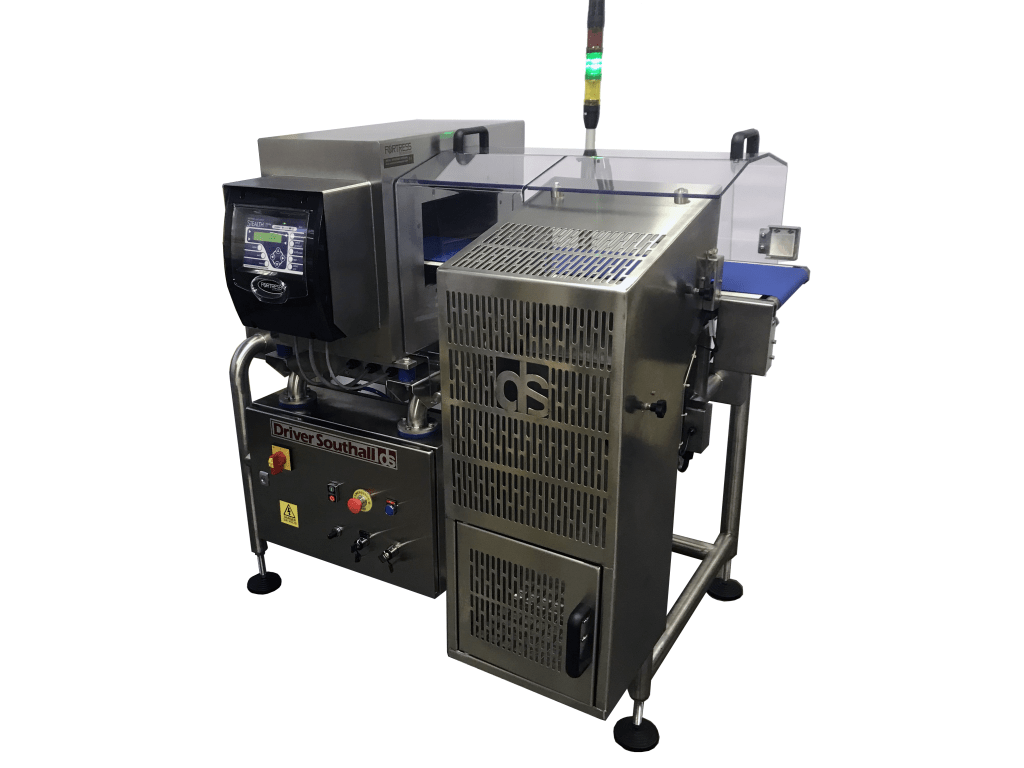
Or, it might be a clever reject arm that gently pushes the contaminated item aside. It’s a very precise operation. No smashing, no drama, just a swift and efficient removal. Think of it as a tiny, automated guardian angel for your appetite. It’s looking out for those sneaky little metal bits so you don’t have to.
Now, you might wonder about different types of metal. Does it matter if it’s steel or aluminum? Well, the clever folks who design these machines have thought of that too. Some detectors are designed to be super sensitive to all types of metals – ferrous (like iron and steel), non-ferrous (like aluminum and brass), and even stainless steel. They are like the Swiss Army knives of metal detection.
The sensitivity can be adjusted, too. This is crucial because different foods have different properties. For example, a salty product might conduct electricity a little bit, which could give a false signal. So, the machines are calibrated to ignore those normal food signals and only react to the truly unwelcome metal guests. It’s a bit like teaching a dog to distinguish between the doorbell and a squirrel.

It’s important to remember that these metal detectors are not just about preventing a one-off unpleasant surprise. They are a critical part of ensuring food safety. Imagine a small child eating cereal and finding a metal shard. The consequences could be serious. So, these machines are doing a vital job, often without us ever knowing they’re there.
My unpopular opinion? We should all give a silent nod of appreciation to the humble metal detector. It’s the unsung hero of our snack aisles, the silent guardian of our sandwiches, and the diligent detective of our desserts. It works tirelessly, invisible and unassuming, just so we can enjoy our food without any unexpected crunch.

Think about it next time you’re enjoying a bag of chips or a delicious chocolate bar. Somewhere along the line, a metal detector likely did its job, keeping it safe and sound. It’s a small piece of technology, but its impact on our peace of mind (and our dental bills!) is enormous. So, here’s to the metal detectors. May their electromagnetic waves always be pure and their air jets forever ready!
They’re the unsung heroes of the food production line, ensuring every bite is as pure as it should be.
It’s a fascinating process, really. The way those invisible waves dance and react to the unwelcome metallic invaders is a testament to human ingenuity. They are constantly scanning, constantly checking, a silent, vigilant army protecting our palates from the unexpected. And for that, we should be incredibly grateful. So, let’s raise a metaphorical fork to these technological marvels!