
How Do You Get Rust Off Of Stainless Steel
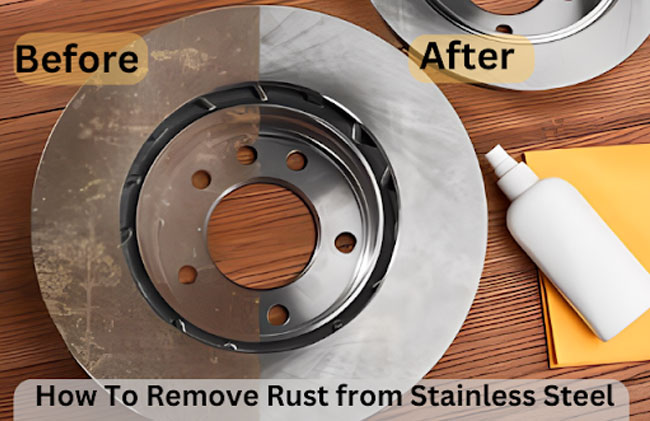
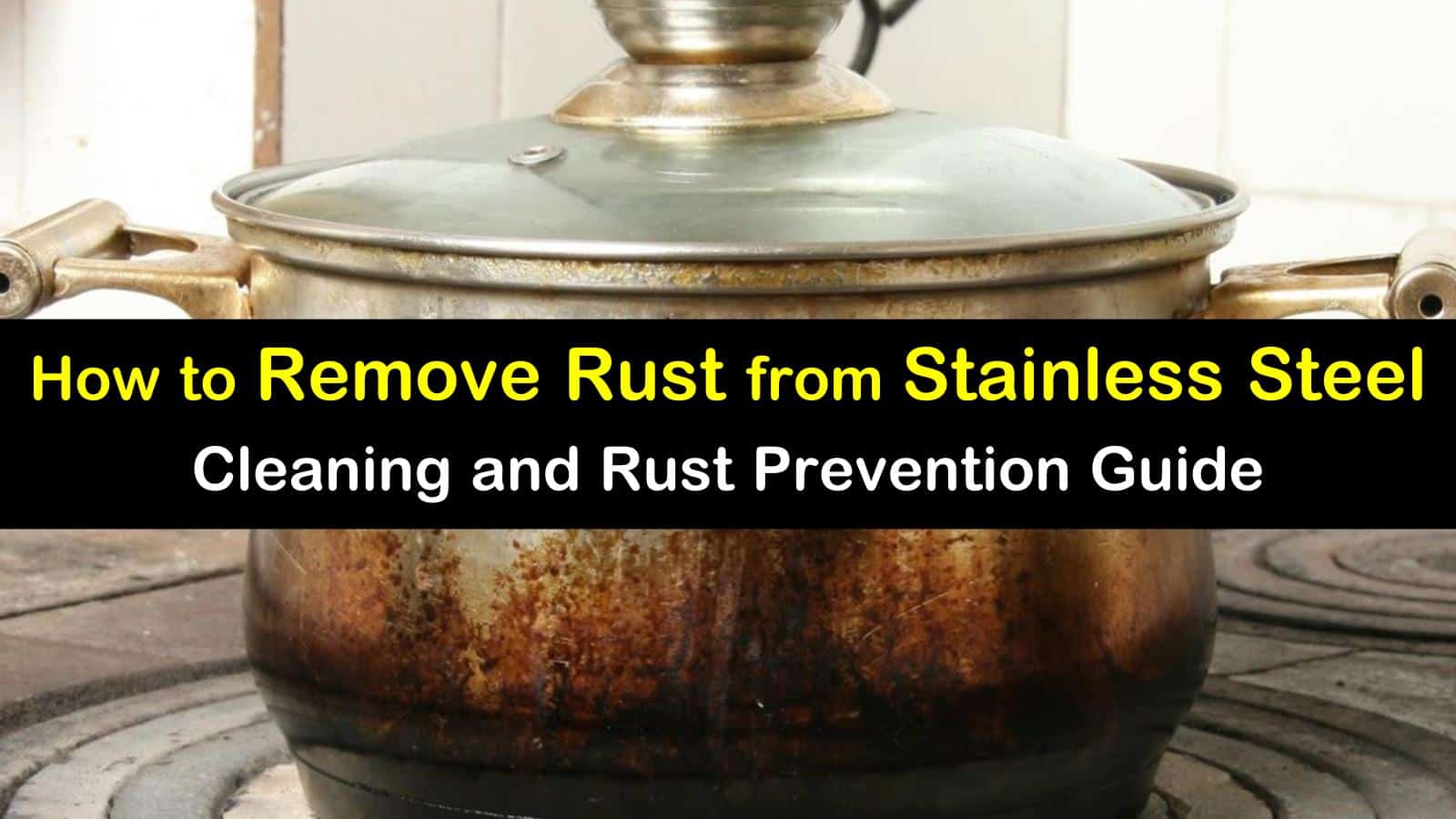
So, you've got this awesome stainless steel gadget, right? Maybe it's your trusty kitchen pot, that sleek outdoor grill, or even a fancy piece of hardware. You love its shiny, modern look. But then… a little spot of orange-brown appears. Rust. Say what?
Yeah, it can be a bit of a head-scratcher. You might be thinking, "Wait a minute, isn't stainless steel supposed to not rust?" And you're totally right! In a perfect world, it pretty much is. But even the most robust superheroes have their kryptonite, and for stainless steel, it's usually a combination of external factors ganging up on it.
Let's dive into this mystery, shall we? It's not as complicated as you might think, and once you understand why it happens, getting rid of it becomes way less of a chore and more of a cool science experiment in your own home.
So, Why the Rust on My Stainless Steel?
Think of stainless steel like a superhero with a special shield. That shield is made of chromium, and when it's exposed to air, it forms a thin, invisible layer of chromium oxide. This layer is the real stainless steel hero, protecting the iron underneath from the elements. It's like a superhero's force field!
But sometimes, this force field can get a little dinged. How? Well, it's usually down to a few sneaky culprits:
1. Little Friends Hitching a Ride
This is a big one. Imagine you're using a regular steel scouring pad (you know, the cheap, scratchy kind) on your stainless steel pot. Those tiny bits of regular steel can get left behind on the surface of your stainless steel. It's like giving your superhero a little hitchhiker who's actually a villain in disguise!
These stray steel particles can then start to rust, and because they're sitting right there on your stainless steel, it looks like your stainless steel itself is rusting. Sneaky, right?
2. Salty Situations
Salt is another common offender, especially if you live near the coast or use your stainless steel outdoors a lot. Chlorides, which are in salt, can actually break down that protective chromium oxide layer. It's like a villain finding a tiny crack in the superhero's armor.
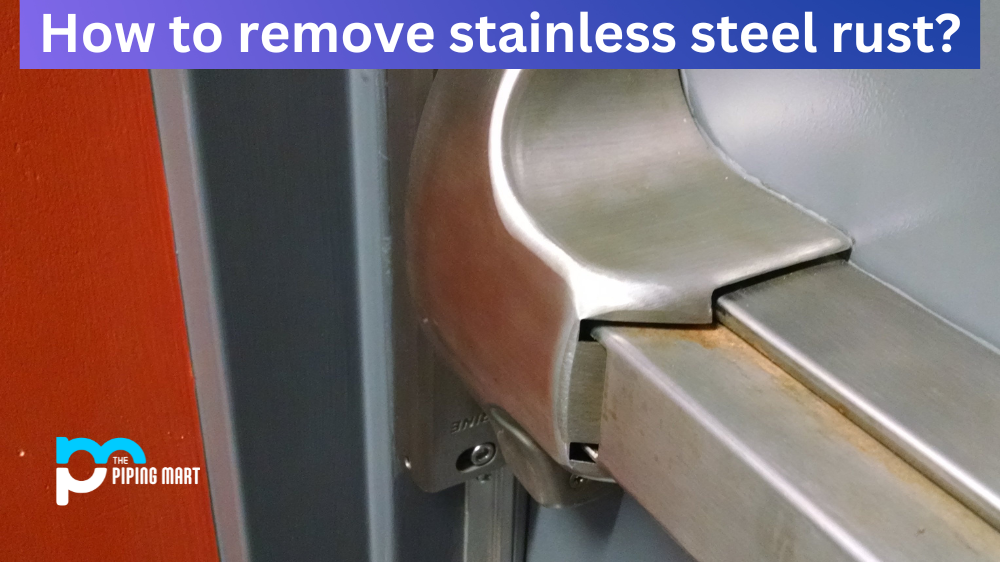
So, if your stainless steel grill has been exposed to sea spray, or if you've been cooking a lot of salty foods and not cleaning up properly, that could be a contributing factor.
3. Chemical Cocktails
Sometimes, certain harsh chemicals can also mess with the protective layer. Think strong cleaning agents or industrial environments. They can weaken the shield, making it more vulnerable.
4. Scratches and Scrapes
Even minor scratches can create opportunities for rust. If you scrape your stainless steel deeply, you might expose the underlying iron to the elements, giving rust a starting point.
Okay, So How Do We Get This Rust Off? (The Fun Part!)
Don't panic! Getting rust off stainless steel is usually pretty straightforward and doesn't require a hazmat suit. We're talking about gentle methods that get the job done without damaging your precious stainless steel.
The Gentle Approach: Baking Soda and Water
This is your first line of defense, and it's super simple. Think of baking soda as a mild, friendly cleanser.
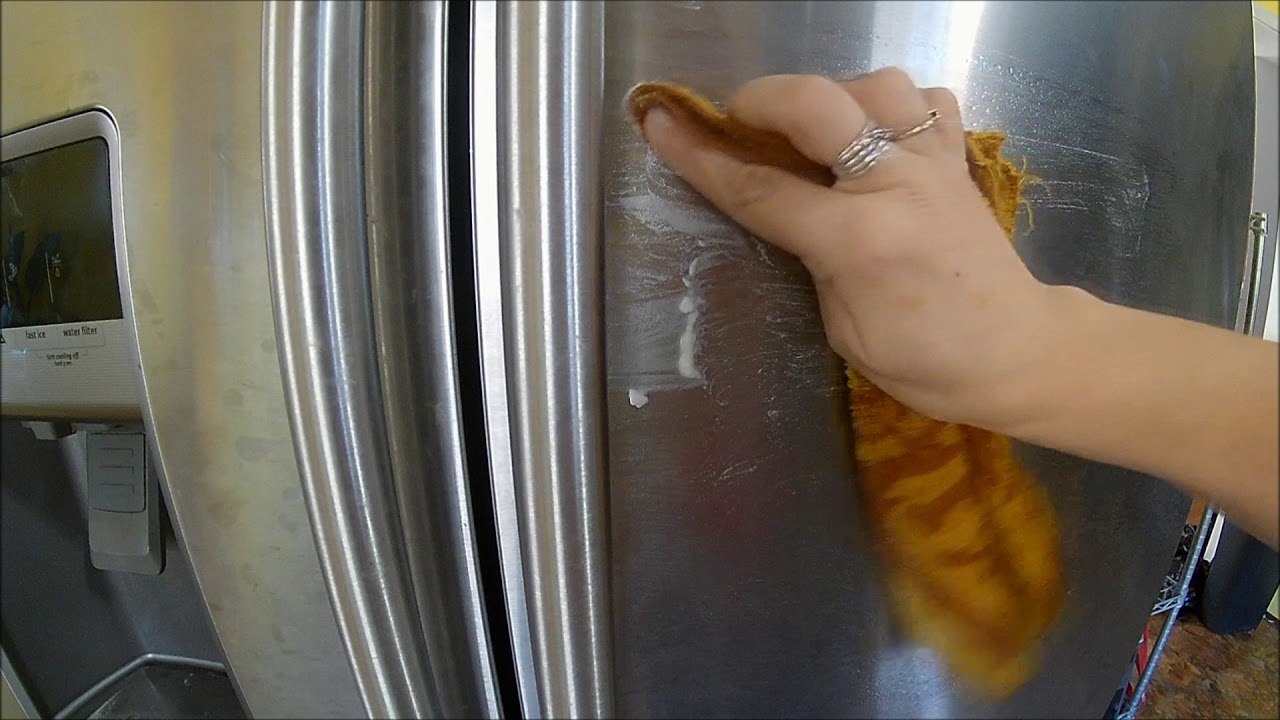
Just make a paste. Mix some baking soda with a little bit of water until it's the consistency of toothpaste. Then, take a soft cloth or sponge (important: not steel wool!) and gently rub the paste onto the rusty spots. You'll want to rub in the direction of the grain of the stainless steel. Most stainless steel has a grain, kind of like wood. You can usually see it if you look closely.
Let the paste sit for a bit, maybe 15-30 minutes. Then, wipe it away with a clean, damp cloth. Rinse thoroughly and dry. You might be surprised at how well this works for light rust!
A Little More Power: Vinegar
If baking soda didn't quite do the trick, it's time to bring out the vinegar. White vinegar is your friend here. It's acidic, which helps to break down the rust more effectively.
You can use vinegar in a couple of ways. For tougher spots, soak a cloth in white vinegar and lay it over the rust. Let it sit for an hour or two, then gently scrub with a soft cloth or non-abrasive sponge. Again, always rub with the grain!
Alternatively, you can make a paste with baking soda and vinegar. This creates a bit of a fizzing reaction (cool, right?) that can help lift the rust. Apply the paste, let it work its magic, then gently scrub and rinse.
The Slightly Stronger Stuff: Lemon Juice and Salt
This is like a dynamic duo! The citric acid in lemon juice works with the abrasive nature of salt. It's a bit more potent than baking soda alone.
Sprinkle some salt on the rusty area, then squeeze fresh lemon juice over it. Let it sit for a while – maybe an hour or so. Then, gently scrub with a soft cloth. You might need to repeat this a few times for more stubborn rust.
Specialized Stainless Steel Cleaners
There are also commercial cleaners specifically designed for stainless steel. These can be really effective, but always follow the instructions carefully. And remember, even with these, you generally want to avoid harsh abrasives.
What to AVOID Like the Plague!
This is just as important as knowing what to do. To keep your stainless steel looking its best, steer clear of:
- Steel wool or metal scouring pads: As we discussed, these are the main culprits for introducing rust in the first place!
- Harsh chemicals: Bleach, oven cleaners, and other strong chemicals can damage the protective layer.
- Abrasive powders: Unless they are specifically designed for stainless steel, skip them.
Keeping Your Stainless Steel Shiny and Rust-Free
Prevention is always easier than cure, right? Here are a few tips to keep your stainless steel looking its best:

1. Clean and Dry, Always!
After using your stainless steel, especially in the kitchen or outdoors, give it a good rinse and a thorough dry. This is your best defense against water spots and potential rust-starters.
2. Watch Out for Contamination
Be mindful of what comes into contact with your stainless steel. If you're washing stainless steel items with other metal items, try to keep them separate, especially if those other items are prone to rusting.
3. Gentle Cleaning Tools
Stick to soft cloths, microfiber towels, and non-abrasive sponges for everyday cleaning.
4. Regular Maintenance
A quick wipe-down with a stainless steel cleaner every now and then can go a long way in maintaining that protective layer.
So there you have it! A little rust on your stainless steel isn't the end of the world. It's just a sign that its superhero shield needed a little touch-up. With a few simple, gentle methods, you can easily bring back the shine and keep your beloved stainless steel looking fantastic for years to come. Happy cleaning!